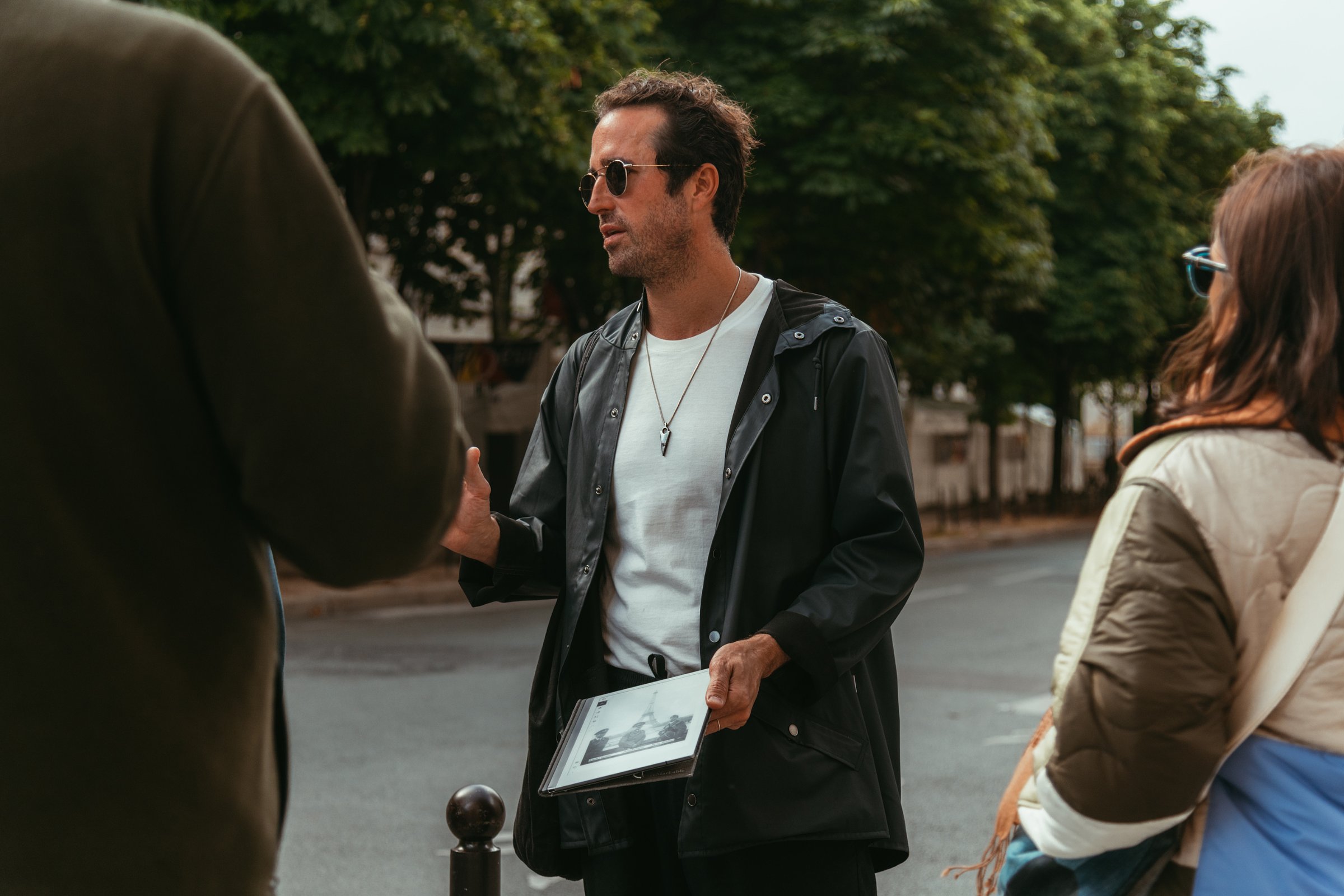
Rémy, Merci pour un excellent tour de Paris et l’ histoire de la ville pendant la deuxième guerre mondiale. The day was hot (40 dégrées), but you were able to find cool spots throughout the y your where we discussed details of the occupation, including your sharing personal letters from your grandfather written during the occupation. Places visited included Luxembourg gardens, Hotel de ville, Shoah memorial. Our three hours together, speaking English and your accommodating my French (at my request) felt personalized and expansive. Thank you for a memorable morning.

Paris WWII History Tour: Occupation & Resistance
Examine Paris under occupation through resistance & daily life
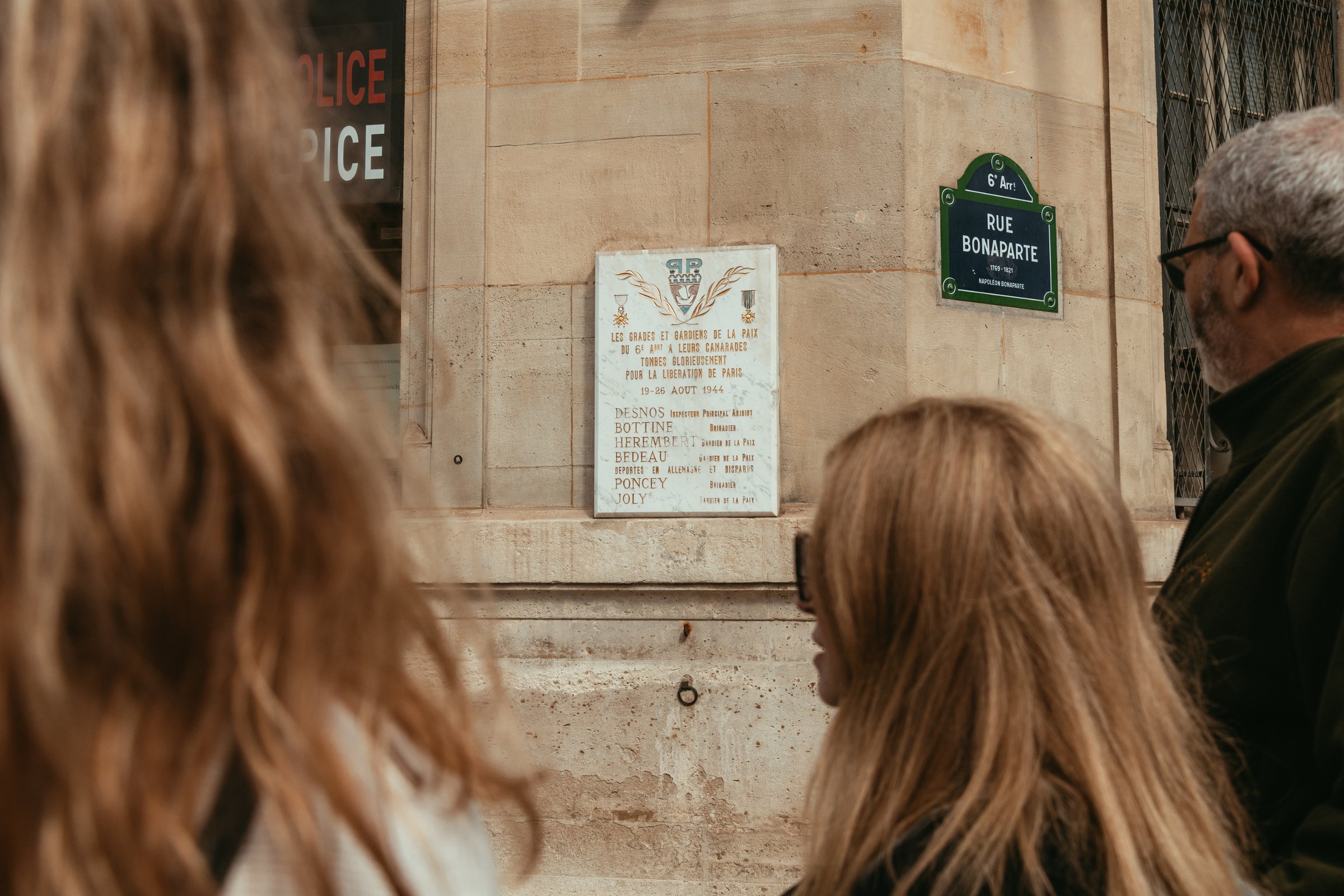
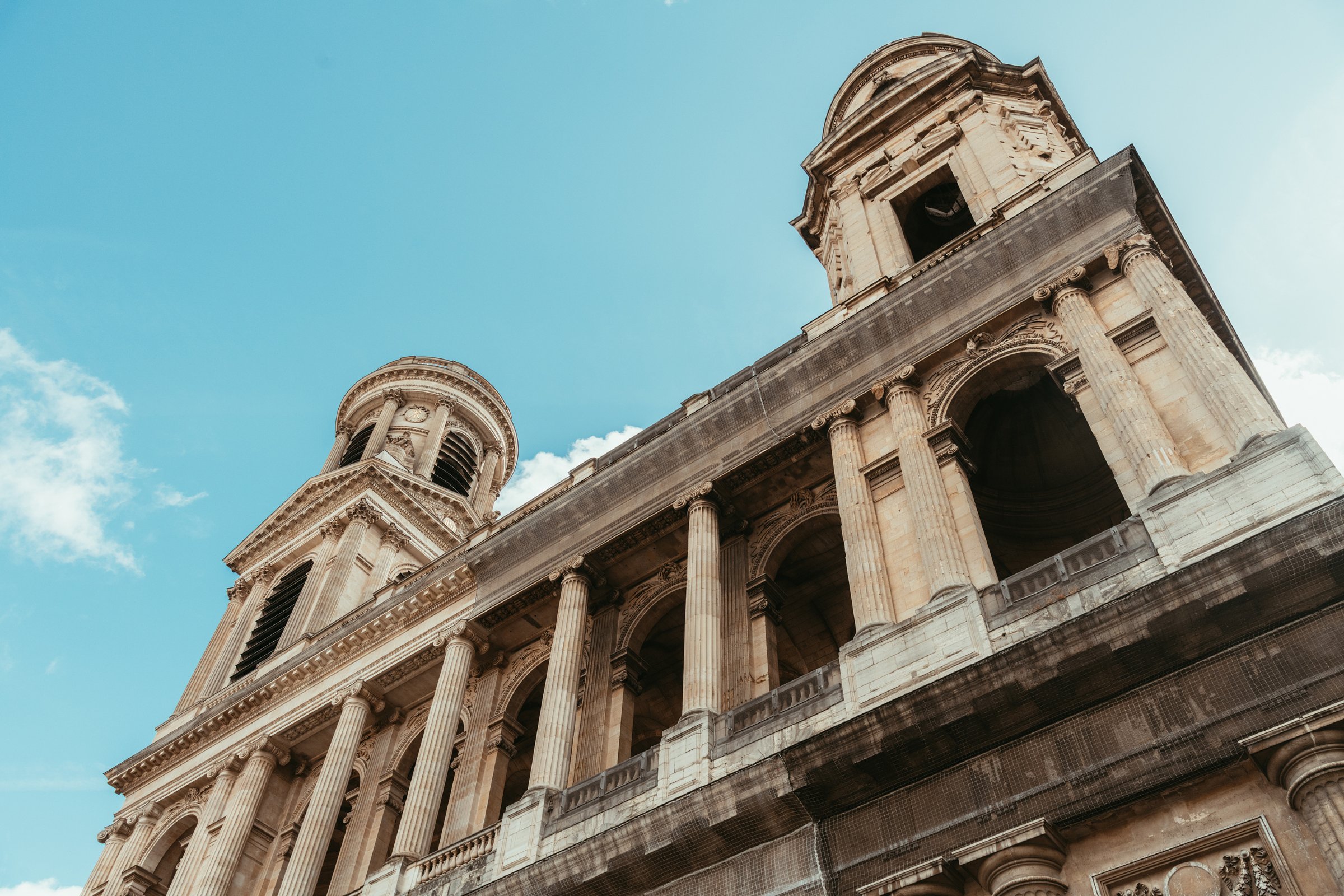
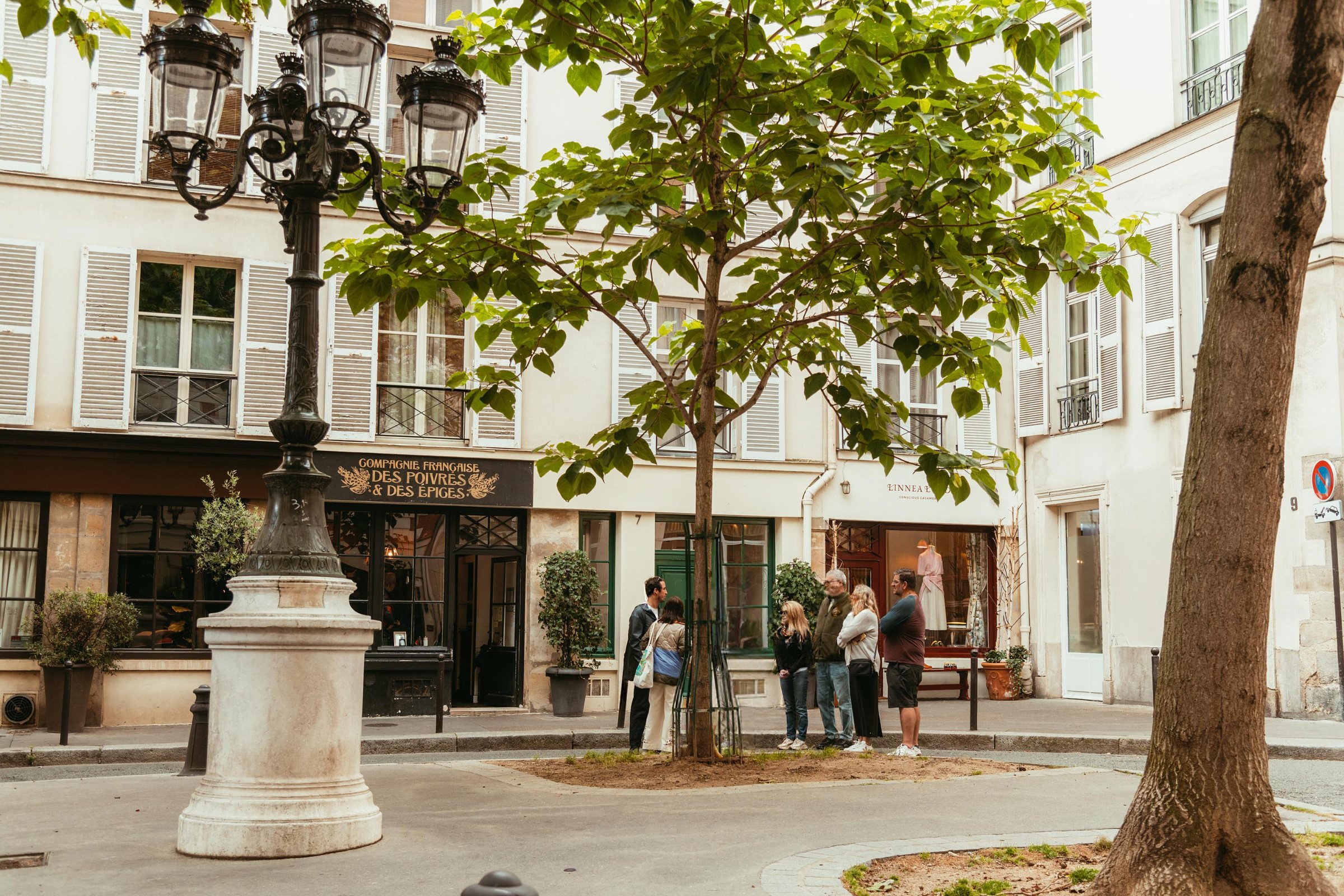
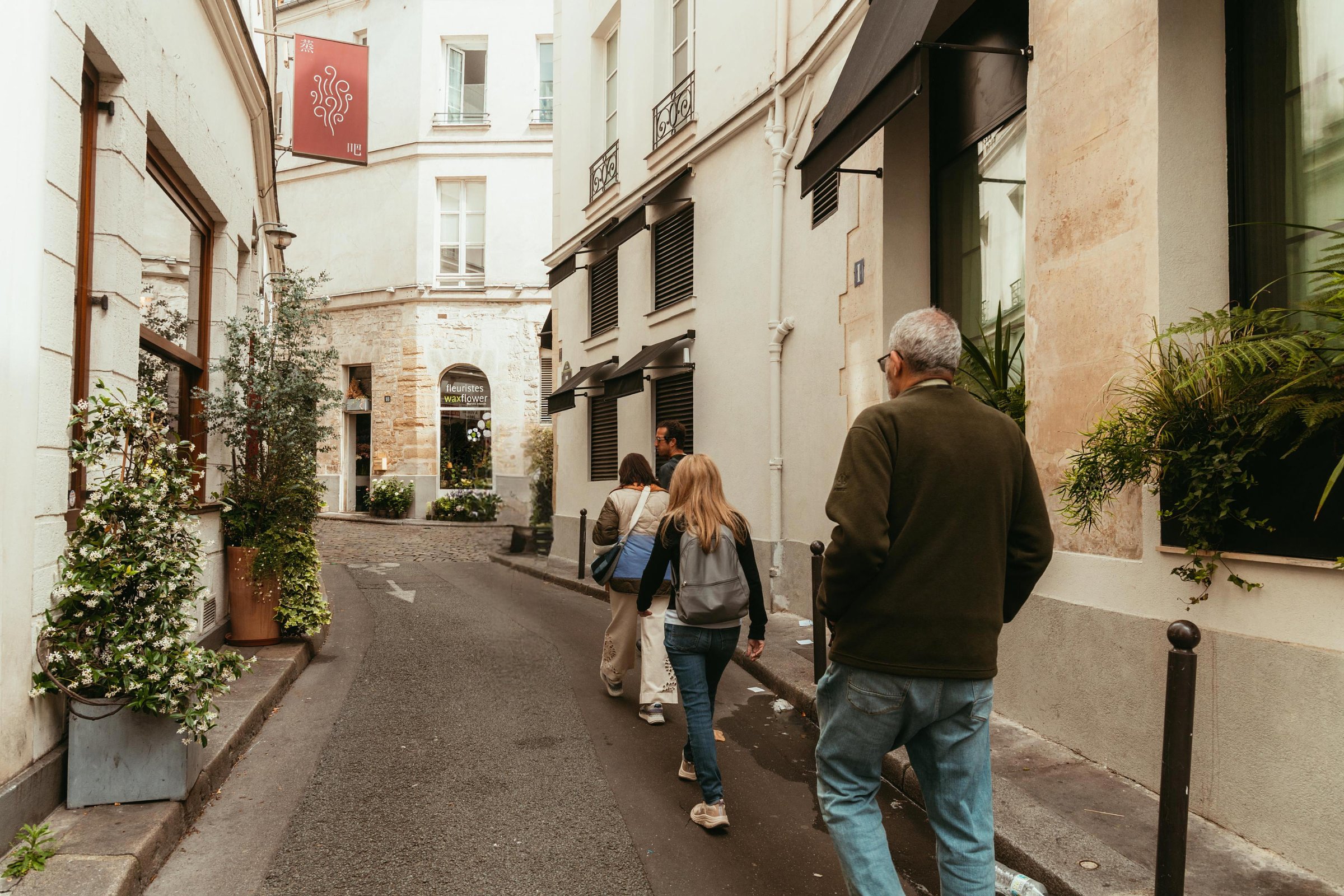
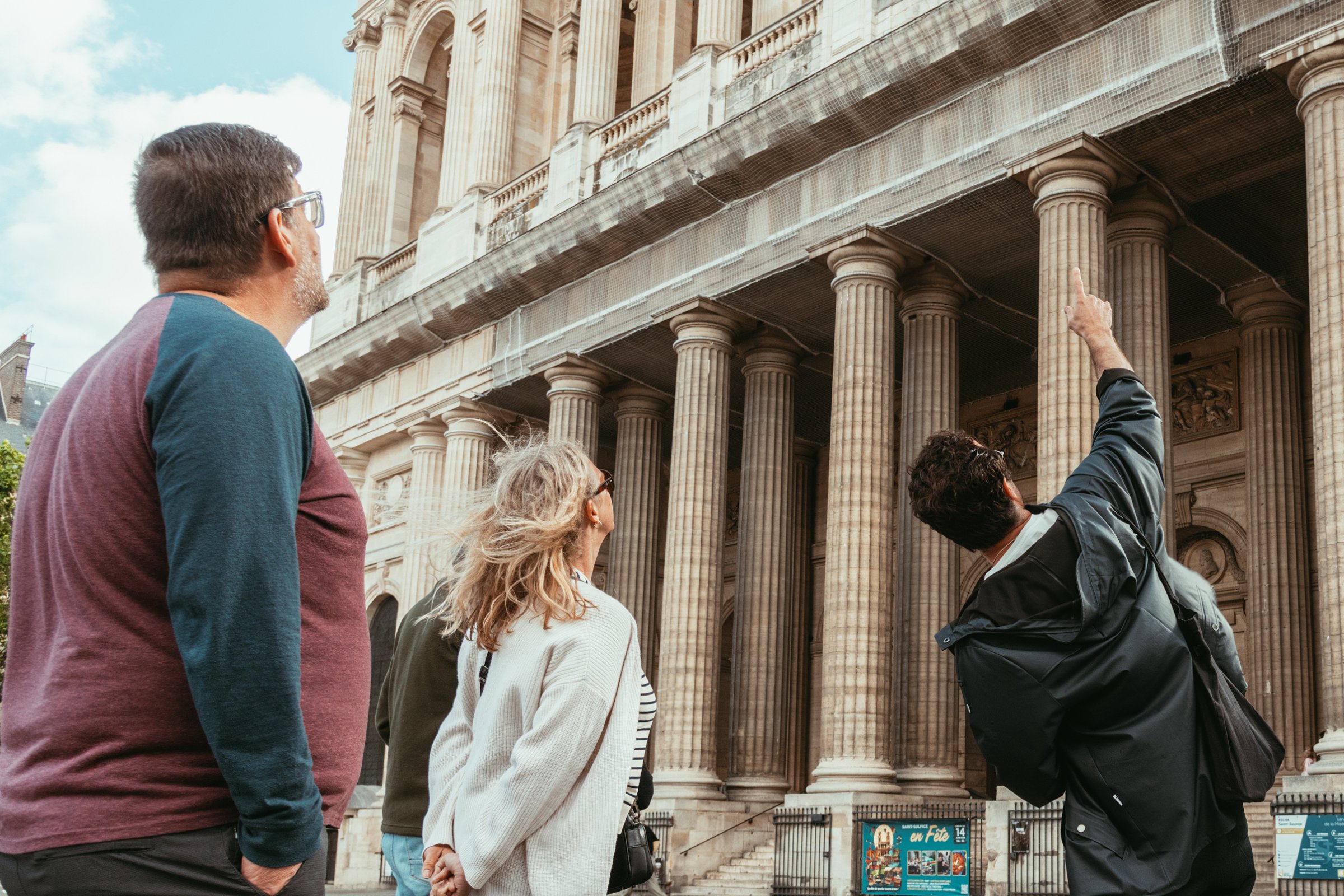
The Finer Details
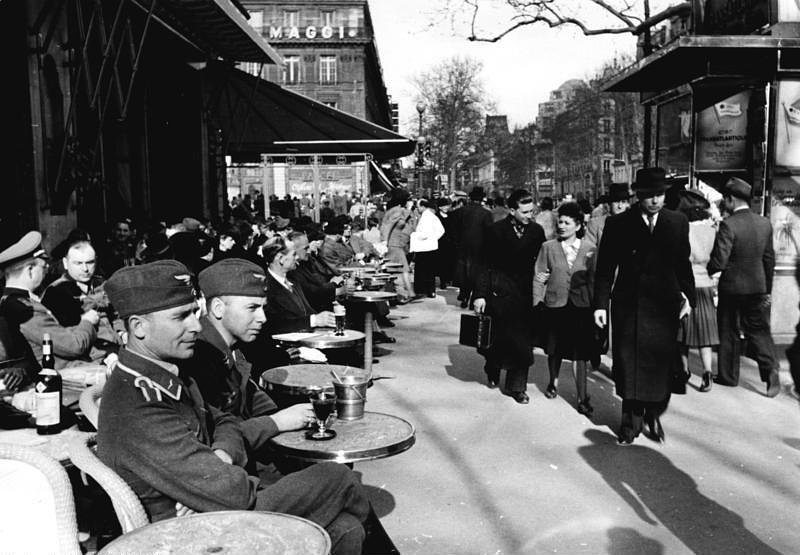
Occupation did not happen in one single moment. Rather, a series of events forcefully reshaped Parisian life. This expert-led Paris WWII tour explores how Nazi control settled into the city, how Parisians adapted, and how fear and the need to maintain routine often existed side by side.
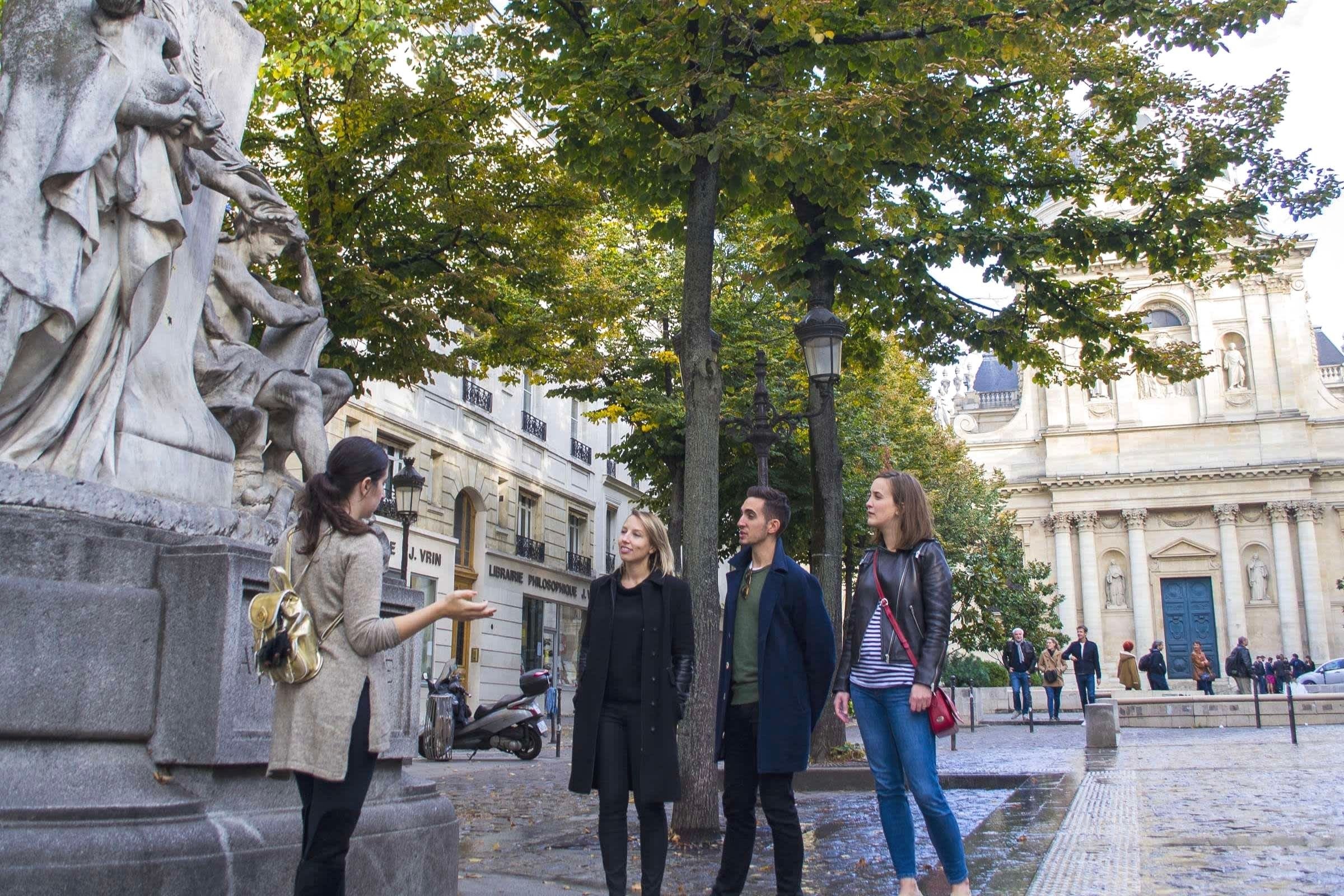
With a WWII Expert, focus on what made Paris distinct under occupation politically, socially, and psychologically. Walk the streets of the Left Bank together to examine how authority and oppression operated day to day, from policing to propaganda. Discuss how food shortages, surveillance, and curfews altered ordinary lives and routines. How did communities decide what was safe, what was necessary, or what may be worth risking?
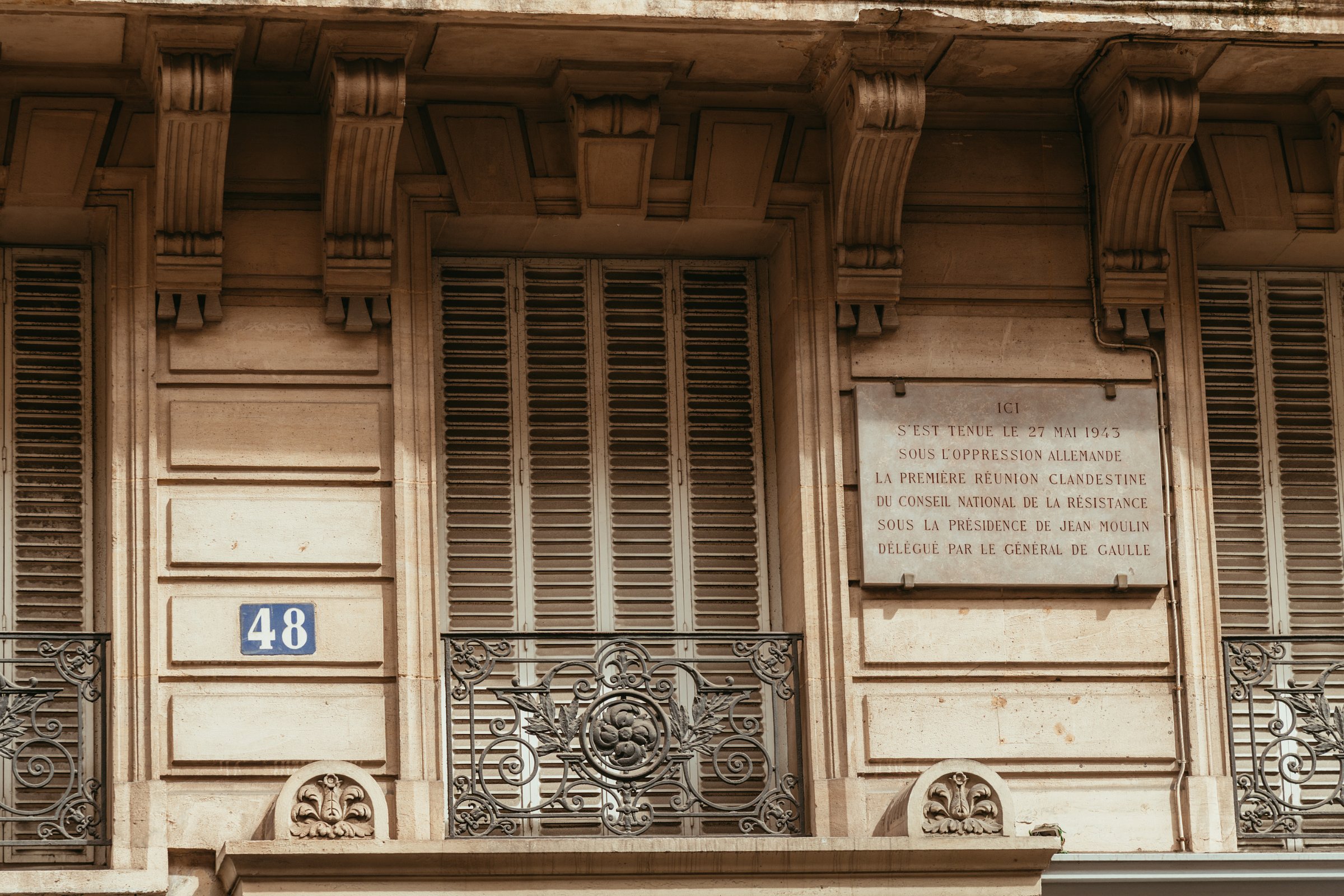
As you move across bridges, attention turns to the Resistance not as a single movement, but as a fragile, fractured network. Learn how couriers, printers, and organizers worked quietly, often without knowing who else was involved, to strive for freedom again. But what did resistance actually look like on just another Tuesday morning in the streets of Paris?
In the Marais, confront the realities of persecution and absence as stories of Jewish families and targeted communities ground politics and policy in lived experience. The streets of today still reveal how quickly neighbors could vanish, and how memories may be all that linger in place.
Your Expert continues the narrative and builds toward the Liberation, born largely from within the embattled and entrenched city itself. Explore how timing, local knowledge, and quiet communication mattered more than grand speeches. Paris did not simply wait to be freed, it acted.
Throughout, the focus of the tour remains human. Moral compromise, bravery, fear, and hope coexist in every story. The result is a deeper understanding of what your family, or countless others, may have faced when history pressed in from all sides.
Everyone from history buffs to history dabblers will learn something new
“Marie was a fabulous guide. She gave me a real look at WWII from the French perspective, which was so interesting. My husband is a real military/war buff and he learned new things from Marie. Highly recommend Marie and this tour. Money well spent.”
Discover one of Paris’ hidden sides
“Our guide, Sean, led us on an insightful walking tour that we really enjoyed. We read a lot of WWII history, but were unfamiliar with the details of what happened in Paris during the war years—and we learned a lot on this tour. It offered a new way to see and understand Paris. We enjoyed it!”













Where You’ll Go
From iconic landmarks to tucked-away local favorites, these are the places you’ll explore and experience firsthand with your Expert.
-
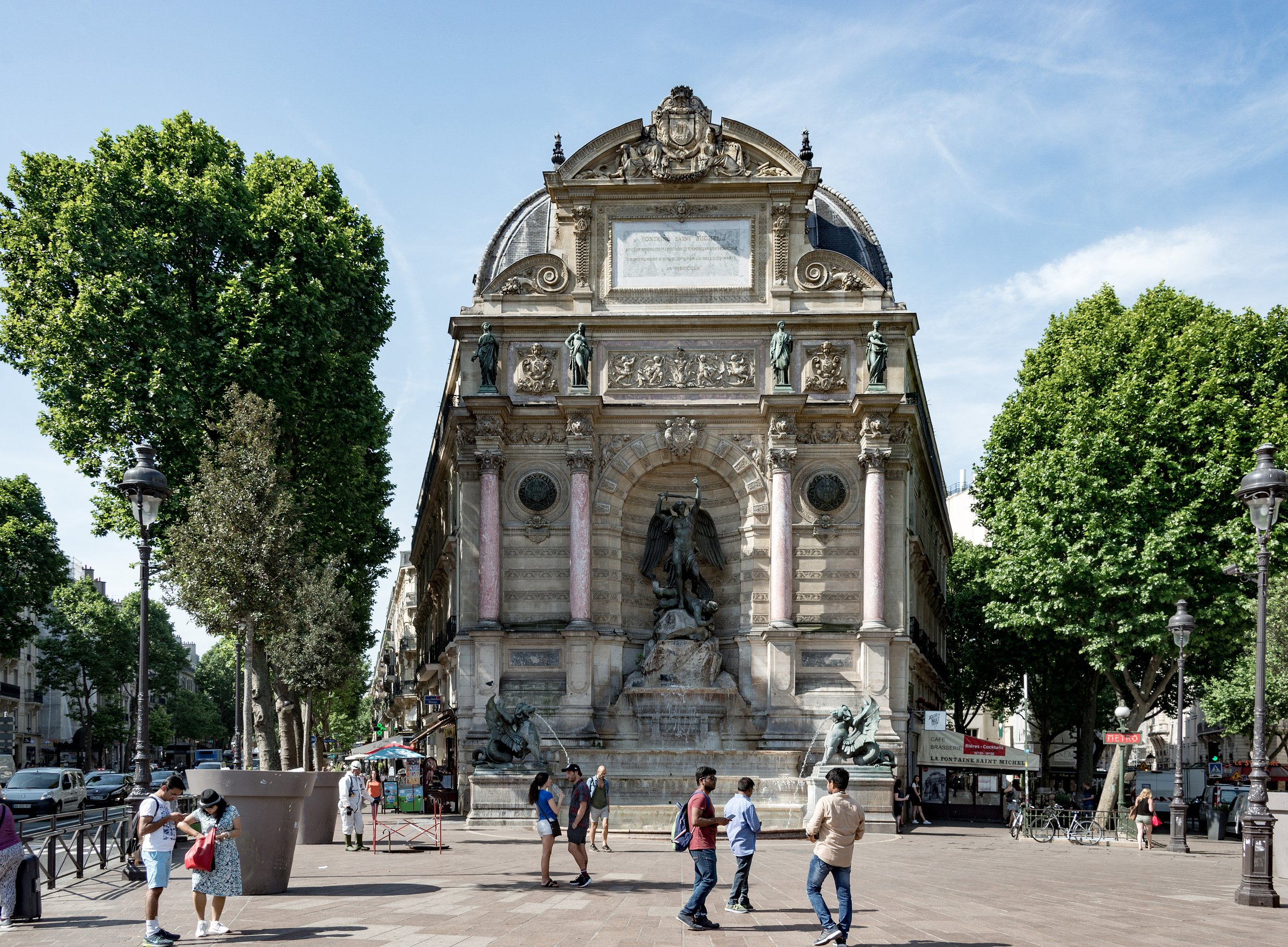
Place Saint-MichelLively square centred on a fountain, gateway to the Latin Quarter’s streets.
-
Luxembourg GardensFormal gardens with tree-lined paths, fountains, and the historic Luxembourg Palace.
-
Île de la CitéHistoric island in the Seine, home to Notre-Dame and medieval Paris landmarks.
-
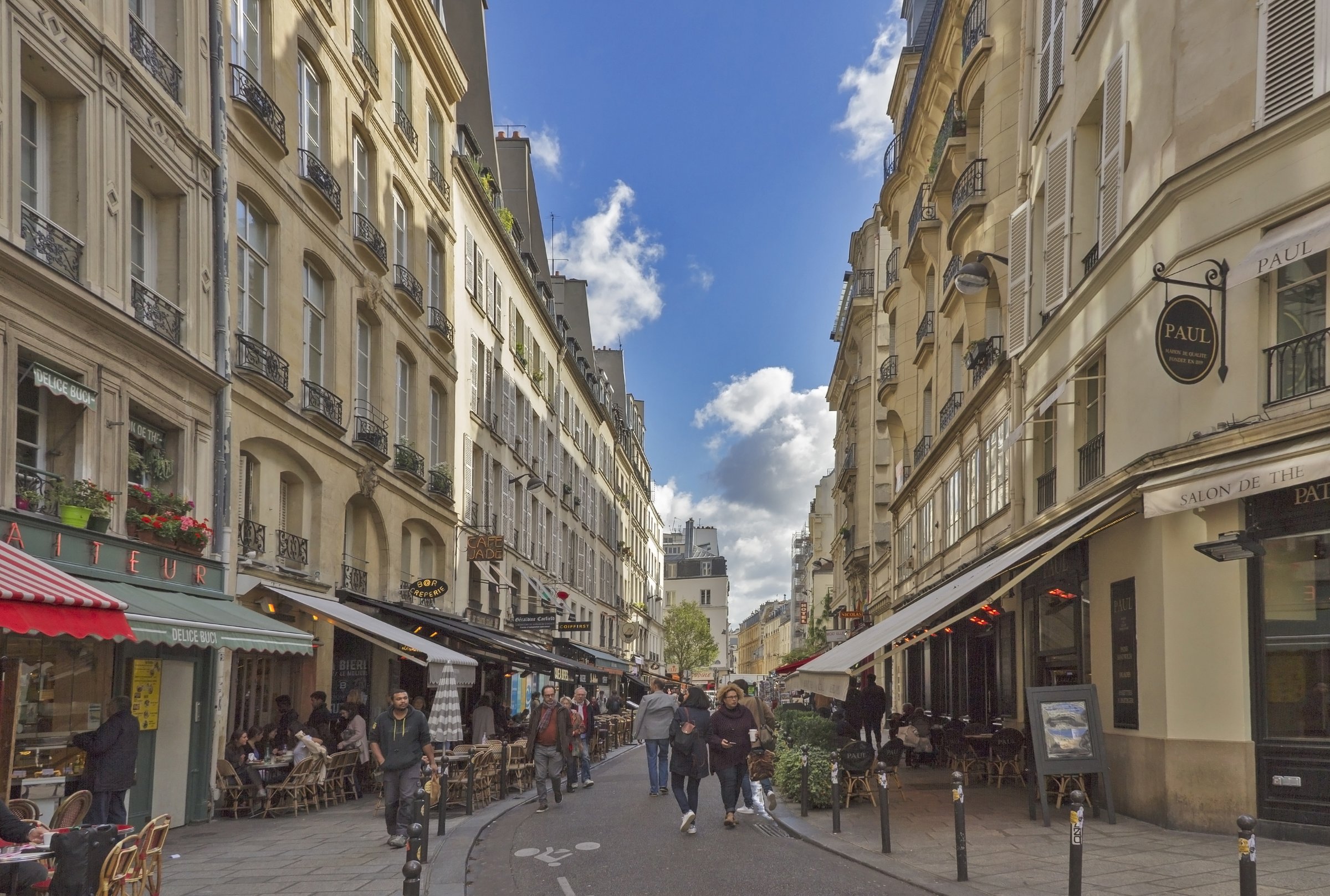
Latin QuarterParis neighborhood known for historic streets, universities, and cultural life.
-
MaraisHistoric Paris district with medieval streets, museums, and cultural landmarks.
-
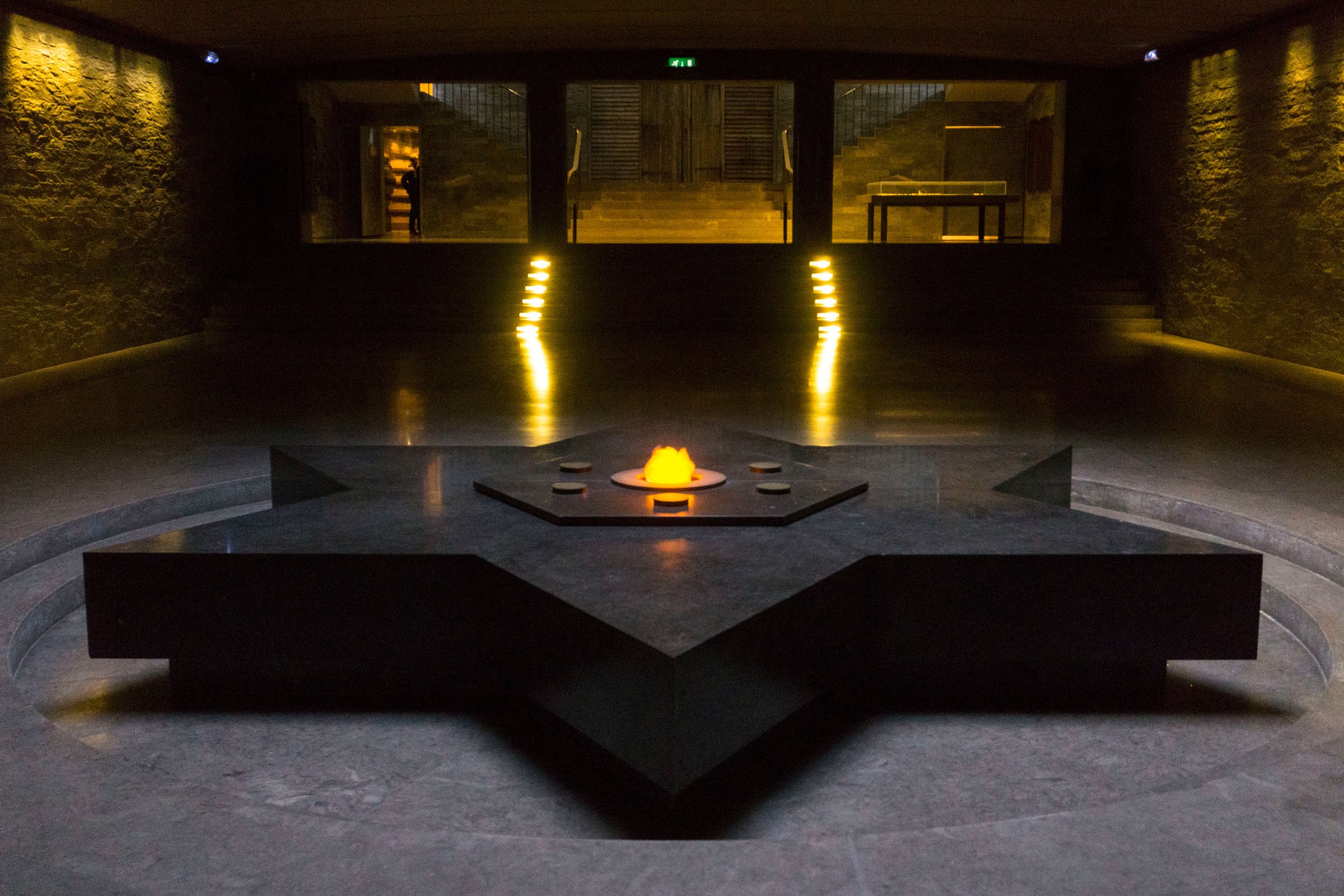
Mémorial des martyrs de la DéportationMemorial honouring those deported during WWII, in a stark riverside setting.
-
Memorial of the ShoahMuseum and memorial documenting Jewish history, the Holocaust, and remembrance.
What’s Included As Standard
Here’s a look at what your tour covers, plus anything you’ll want to consider arranging separately, so you can plan with confidence.
Included
-
English-speaking expert guideTours led in English, offering you unbroken understanding throughout.
-
Intentionally sized groupsA smaller group means more time for conversations and questions.
-
Tickets and entrance feesAll entry tickets included (unless clearly stated otherwise).
-
HeadsetsHeadsets are included on tours that need them, so every word can be heard.
Not Included
-
GratuitiesWe encourage tipping as a way to thank your guide after your experience.
-
Food and drinkRefreshments are only included during a tour when clearly noted.
-
Transportation to and from the meeting pointUnless noted, pre- and post-tour transport isn’t included - this service can be added by request.
-
Hotel pickup or drop-offUnless noted, travel to or from accommodation isn’t included - this service can be added by request.
Where You'll Explore
Make the Most of Your Tour
Some helpful advice for getting the most from your experience, from practical prep to small on-the-day tips.
Dos:
- Wear comfortable footwear
- Check the weather and dress appropriately
- Bring a bottle of water (no glass)
- Feel free to ask your Expert anything
Don'ts:
- Bring firearms or weapons
- Bring sharp objects (e.g. knives, swiss army knives, switchblades, hiking sticks)
- Dress inappropriately to enter religious sites or sacred monuments
Any questions? You can always
contact us.
Frequently Asked Questions
Book with confidence — see Context's flexible cancellation policy here.
We cover mature topics on this tour. It is not designed as a family tour, though we welcome inquisitive minds of all ages. Please contact us to discuss further if you're concerned about age-appropriate content. Context small-group tours do have an age minimum of 13.
We run this tour every day of the week, except for a few holidays when downtown Paris is very congested. Please be aware that the Shoah Memorial is not open on Saturdays and therefore Saturday tours will visit other points of interest.
We understand that some of our valued guests may have mobility concerns, and we want to ensure you have a comfortable and enjoyable experience throughout your tour. If there are any accessibility concerns that your tour guide will need to be aware of, please let our team know at the time of booking.
Don’t just take our word for it
Gil was so knowledgeable! We also had such a good time with him
Thierry was super engaging! It was a great tour and we all learned so much. He really made it fascinating for the teens and adults alike!
Let Your Curiosity Shape Your Journey
Join passionate experts on intimate walking tours that reveal a city’s unique stories, spark conversations, and leave you seeing the world—and yourself—a little differently.
Structured, never scripted
Your interests guide your Expert, leading to stories and perspectives that matter to you.
Crafted for conversation
With 12 or fewer guests, ask questions, engage with your Expert, and fully immerse yourself.
Experts, not guides
Explore with 1,200+ Experts—from historians and architects to archaeologists and chefs.
You May Also Be Interested In…



Paris WWII Tour: Understanding Occupied Paris Beyond the Headlines
The story of Paris during World War II is more complicated than liberation celebrations and famous photographs. Between 1940 and 1944, the city became the capital of occupied France, where ordinary Parisians navigated impossible choices between accommodation, survival, collaboration, and resistance.
This Paris WWII tour explores those years through the streets where they unfolded.
Led by a historian or another specialist in modern European history, you'll walk through neighborhoods that witnessed occupation, persecution, resistance, and eventual liberation. Rather than focusing solely on military events, the tour examines how everyday life changed under Nazi rule and how those years continue to shape France's understanding of its own past.
Why Choose This Paris WWII Tour?
See Occupied Paris Through Local Eyes
Most visitors know Paris as a city of cafés, museums, and grand boulevards. During the Occupation, those same streets became places of rationing, surveillance, censorship, deportation, and quiet acts of defiance.
Your Context Expert helps reveal how familiar landmarks carried very different meanings between 1940 and 1944.
Explore the Complexity of Resistance
The French Resistance was never a single organization nor a simple story of heroes and villains.
This tour examines the many forms resistance could take—from distributing clandestine newspapers and gathering intelligence to helping Jewish families escape or participating in armed operations—while also addressing collaboration and the difficult moral decisions faced by ordinary citizens.
Rather than simplifying history, your Expert encourages thoughtful discussion about the realities of occupation.
Learn Through Conversation
Questions are central to this experience.
Whether you're interested in Charles de Gaulle, the Nazi occupation, the Holocaust in France, everyday civilian life, or the Liberation of Paris, your Expert adapts the discussion to your interests while maintaining the broader historical narrative.
What You'll See
Latin Quarter
The tour begins in one of Paris's intellectual centers, where universities, cafés, and publishing houses became important spaces for political debate before and during the occupation.
Your Expert introduces the political climate that preceded the German invasion and explains how daily life changed after June 1940.
Île de la Cité
Moving through the historic heart of Paris, you'll consider how occupation transformed public space.
Government buildings, police authority, and the visibility of German power all contributed to the psychological reality of life under occupation.
Mémorial des Martyrs de la Déportation
Located beside Notre-Dame, this memorial commemorates the more than 200,000 people deported from France to Nazi concentration camps.
The site provides an opportunity to discuss deportation, forced labor, political prisoners, and the broader machinery of Nazi persecution.
Mémorial de la Shoah
The Shoah Memorial anchors the tour's examination of the Holocaust in France.
Rather than presenting statistics alone, your Expert explores how anti-Jewish legislation, deportations, and collaboration unfolded within Paris itself, helping visitors understand how national policy affected individual lives and local communities.
The Marais
Today celebrated for its cafés, galleries, and Jewish heritage, the Marais carries profound wartime history.
Walking these streets offers an opportunity to discuss both the destruction experienced by Paris's Jewish community and the neighborhood's continuing role in remembrance and cultural life.
What Was Paris Like During World War II?
Paris remained physically intact throughout much of the occupation, yet daily life changed dramatically.
Food shortages, curfews, censorship, propaganda, identity checks, and the constant presence of German soldiers became ordinary realities for millions of residents.
This tour explores those lived experiences alongside the larger political and military events, helping visitors understand not only what happened, but how it felt to live through those years.
Is a Paris WWII Tour Worth It?
Many of the most significant places connected to World War II in Paris are easy to walk past without realizing their importance.
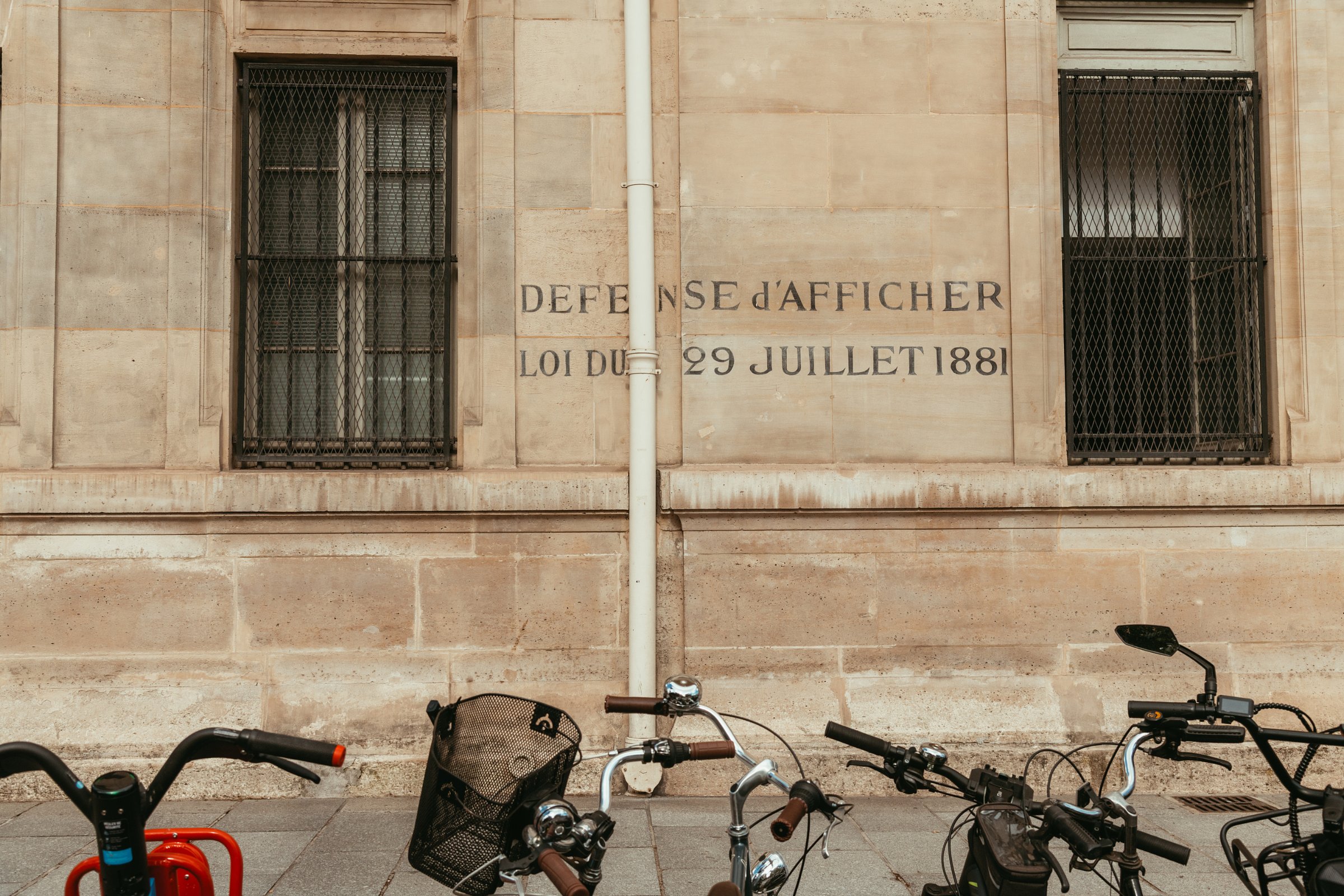
Unlike battlefields or military museums, occupied Paris often leaves subtle traces: a former Resistance meeting place, a school from which children were deported, or a plaque commemorating someone who never returned.
A guided experience helps connect those fragments into a coherent history, transforming the city itself into a historical document.
Who Is This Tour For?
This experience is ideal for:
- Travelers interested in World War II history
- Visitors seeking a deeper understanding of occupied France
- Students of European history
- Returning visitors looking beyond Paris's major monuments
- Anyone interested in the relationship between history, memory, and modern France
No previous knowledge of World War II is required.
Continue Exploring Occupied Paris
If you'd like to deepen your understanding before or after your walk, we recommend reading our article: Beyond the Placards: The Real Story of Resistance in Nazi-Occupied Paris
It explores how resistance operated beyond the famous stories, examining the ordinary individuals, hidden networks, and moral complexity that shaped life under occupation. The article provides valuable historical context that complements the places you'll encounter during the tour.
Frequently Asked Questions
Does this tour focus on military history?
No. While military events provide important context, the experience primarily explores civilian life, occupation, resistance, collaboration, persecution, and memory within Paris itself.
Does the tour discuss the Holocaust?
Yes. The Holocaust in France is an essential part of understanding occupied Paris. Visits to the Shoah Memorial and related sites provide historical context while treating these subjects with care and respect.
Is this suitable for teenagers?
Yes. Older teenagers with an interest in history generally find the discussion engaging and thought-provoking. Parents should consider the serious subject matter when deciding whether the tour is appropriate for younger children.
How long is the tour?
The walking experience lasts approximately three hours.
Who leads the tour?
Tours are led by Context Experts with backgrounds in modern history, European history, political history, or related disciplines. Their academic and professional backgrounds vary, but each brings deep knowledge of Paris during World War II.
Interested in more WWII-focused history tours with Context Travel? Check out all of our WWII Tours of Europe.
Interested in more WWII-focused history tours with Context Travel? Check out all of our WWII Tours of Europe.