A city that rewards the curious — here's how to spend your time well
Welcome to Marrakech, where the souks look chaotic until you understand that each quarter has specialized in a single craft for centuries. Here, the dyers; there, the carpenters; further along, the leather-workers using a recipe of pigeon dung, quicklime, and saffron that hasn't changed since the Almoravids. The Djemaa el-Fna looks impressive, but just wait until you learn it's been a living archive of oral poetry, music, and storytelling since the 11th century.
Context changes everything.
Founded in 1070 by the Almoravid dynasty, Marrakech was always meant to project power—from the Sahara trade routes in the south to the intellectual centers of Fes in the north. Its medina, a UNESCO World Heritage Site, carries the fingerprints of every dynasty that followed: Almohad, Marinid, Saadian, and Alaoui. So does its architecture, its tile work, and its gardens.
There's much to unpack here, so let's get started.
The Anchor Experience
Sites and Insights: Marrakech City Tour
If you're arriving in Marrakech for the first time or returning after a previous visit that left more questions than answers, start here.
Context's Marrakech City Tour is a three-hour private walking tour led by a cultural historian who has spent years in the city. Before your Expert takes you anywhere, they'll ask you what you're curious about: the Islamic architecture? The Amazigh cultural thread? The political history of Morocco's dynasties? The answer shapes where you go.
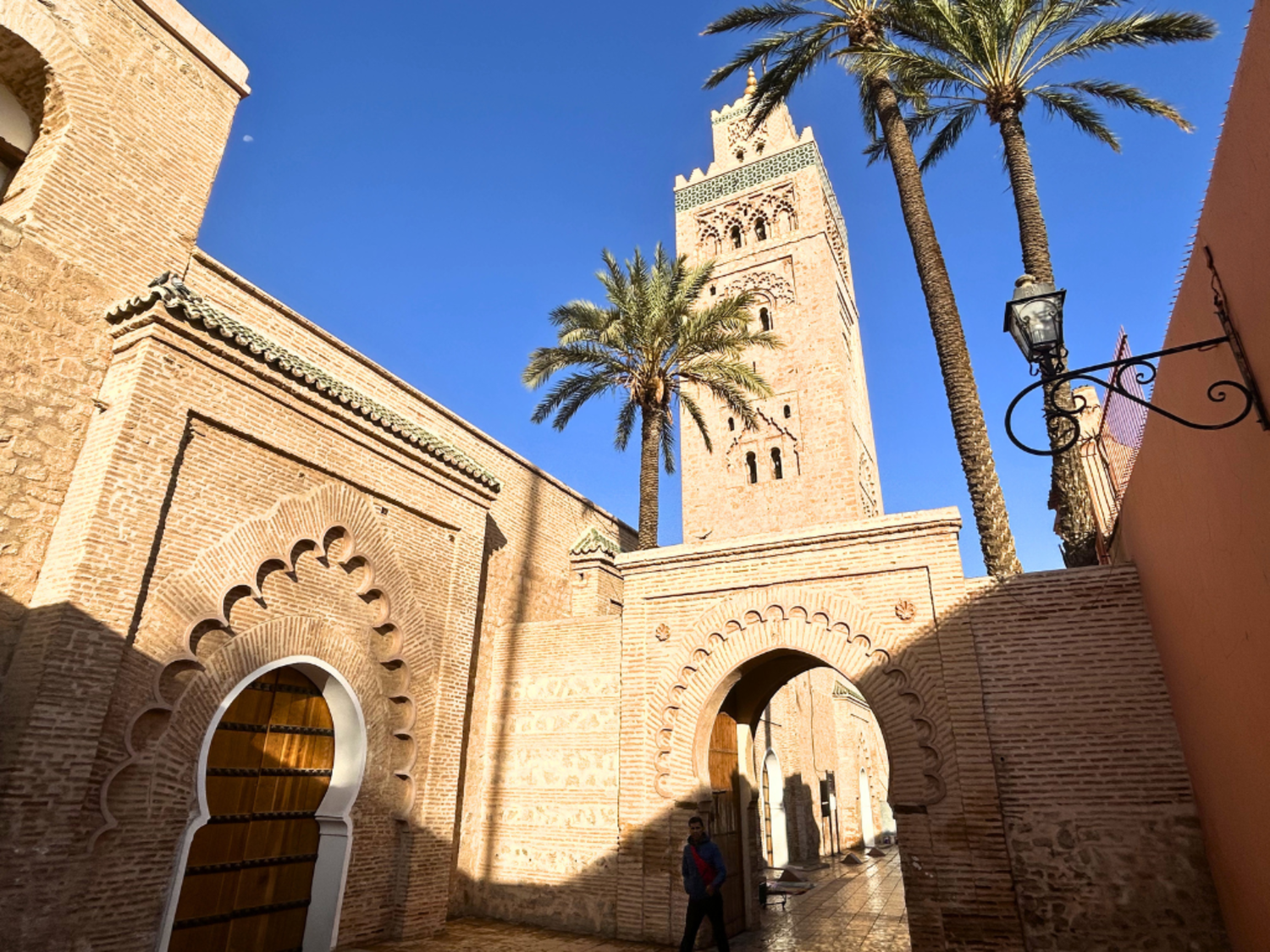
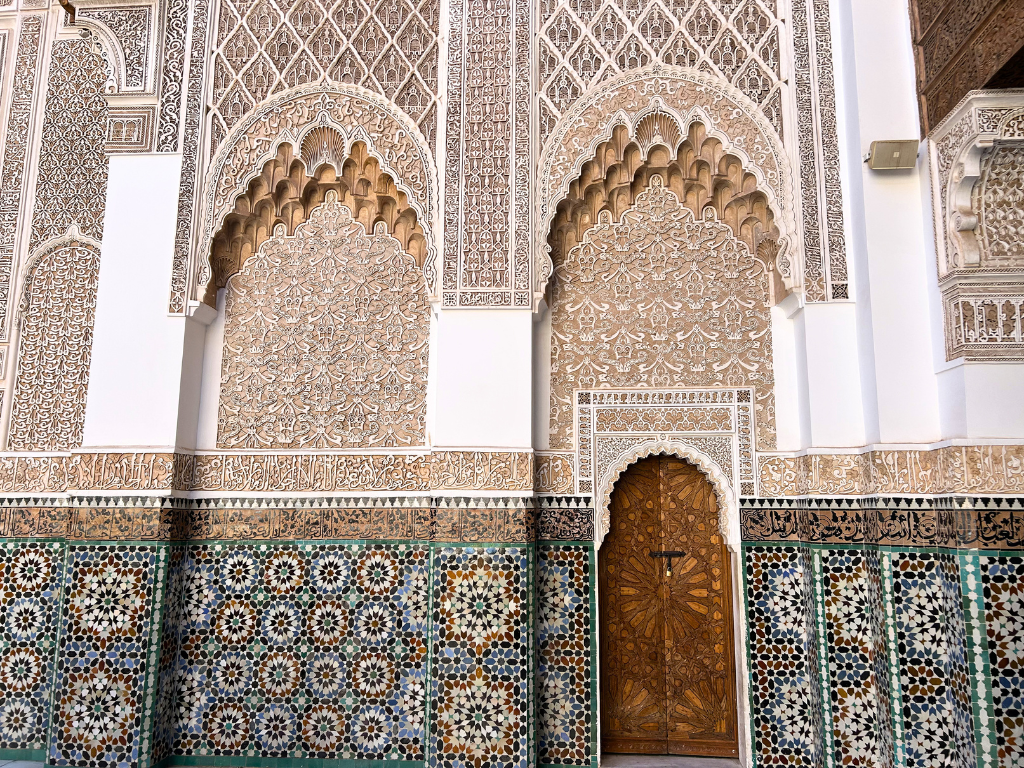
The route typically moves through the medina's major landmarks: the Koutoubia Mosque, the Medersa Ben Youssef, and the spice and craft souks. But don't hesitate to ask about the things that bring you pause. After all, this is where the understanding is forged and the memories are made.
How did a 12th-century mosque become the architectural standard for all of North Africa? Why does the tilework stop precisely where it does, and what does that boundary mean? These are the questions that help you understand Marrakech rather than merely see the city as a spectacle.
Dive into Craft, Food, and Culture
Marrakech Mosaic or Pottery Workshop
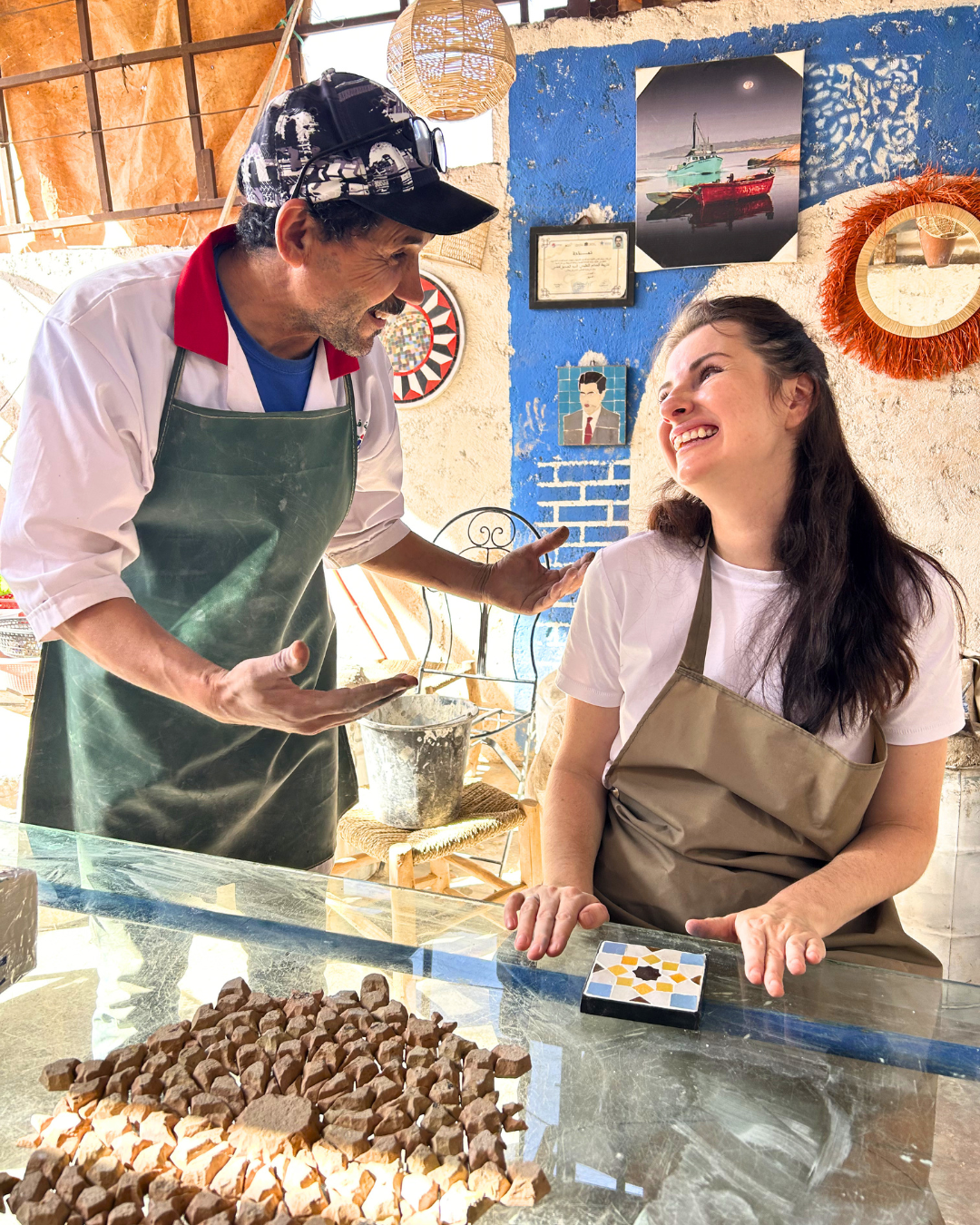
Two of the most distinctive craft traditions in Morocco share a common thread: mastery takes years, and the work itself encodes Islamic geometric principles that reward close attention. The Mosaic Workshop and the Pottery Workshop are three-hour sessions led by working artisans. Try your hand at creating a mosaic piece or a ceramic object to better understand how these traditions developed, what they communicate, and why they've survived.
Neither workshop requires any prior skill. They do require a tolerance for the gap between what you intend and what your hands can do, which turns out to be the most interesting part.
Marrakech Cooking Class: Tagine and Zaalouk
The best Moroccan food requires patience and plenty of layering. The Marrakech Cooking Class begins in the souk, where your Expert explains what's in the spice stalls and the significance of ingredients. Ras el hanout, a spice that's name translates to 'head of the shop' and implies a mixture of the best spices the seller has to offer, can contain 30 or more ingredients.
Discuss ingredient provenance before moving to the kitchen, where tagine and zaalouk (a slow-cooked aubergine and tomato dish that deserves far more international recognition than it gets) come together over three hours.
What the class does well is connect the market to the meal, helping establish tradition and local significance to every tantalizing bite.
Marrakech in a Day: History and Mosaics
For travelers who want both the city and the craft in a single immersive session, the Marrakech in a Day Tour combines the city walk with the mosaic workshop into a six-hour private experience. The morning covers the medina's imperial history; the afternoon puts those ideas into practice in the workshop.
Yes, it's a long day. But it's also the most complete way to understand Marrakech's dual identity as a city of monuments and a city of makers.
Beyond the Medina
The Agafay Desert
Most travelers think of the Sahara when they think of Morocco's desert landscapes. The Agafay is closer and, in its own way, stranger. Here you can experience a moonscape of rocky hammada just an hour's drive from Marrakech. Go during the late afternoon, when the light starts to change and bring the Atlas Mountains on the horizon into full definition.
Context's Agafay Desert Day Trip is a three-hour private excursion timed around the late afternoon light. You'll go with an Expert who can speak to the nomadic Amazigh communities whose relationship with this landscape stretches back millennia. No camels and no tourist infrastructure—just the desert and someone who knows what to look for.
The Atlas Mountains
The High Atlas begins less than an hour from Marrakech and rises quickly into a world that feels entirely separate from the medina below.
The Atlas Mountains Day Trip is a full-day private excursion into Amazigh (Berber) territory. You'll visit the villages, the agricultural terracing, and the market towns where the traditional economy still runs on weekly souks. Your Expert helps connect the landscape to the people living in it, and the people to a history that goes back far further than any of Morocco's Arab dynasties.
Beyond Context
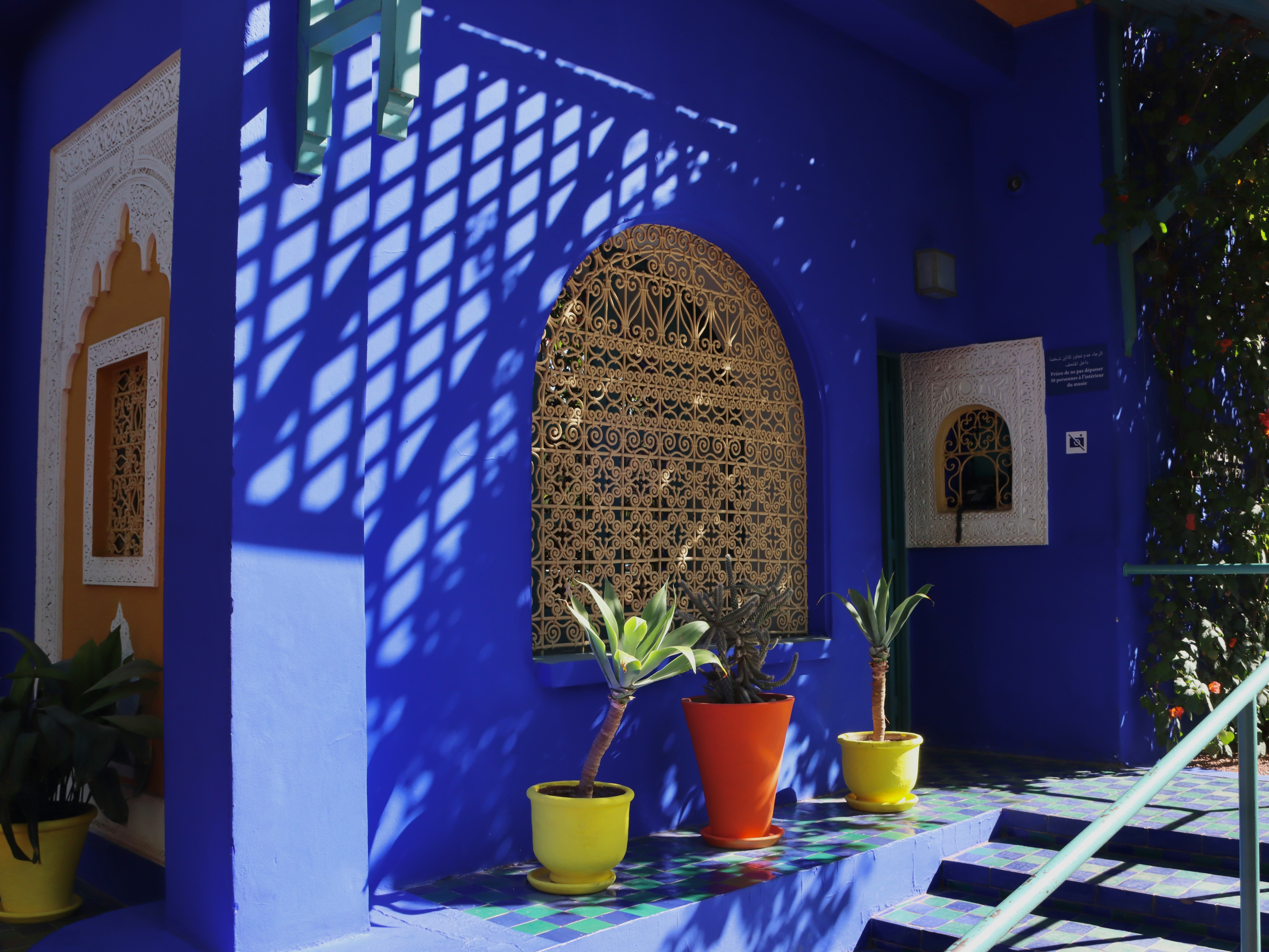
Jardin Majorelle. The blue is more intense in person than in photographs. Yves Saint Laurent bought and restored this garden in 1980 after it fell into disrepair.
The Berber Museum inside is legitimately excellent, one of the better-curated collections of Amazigh art and material culture in Morocco. Go early to avoid large afternoon crowds.
Saadian Tombs. One of Marrakech's most rewarding architectural surprises. The tombs were sealed by the Alaoui sultan Moulay Ismail in the 17th century (a political burial, meant to erase his predecessors' legacy) and only rediscovered in 1917. The Hispano-Mauresque carving is exceptional and the space is intimate.
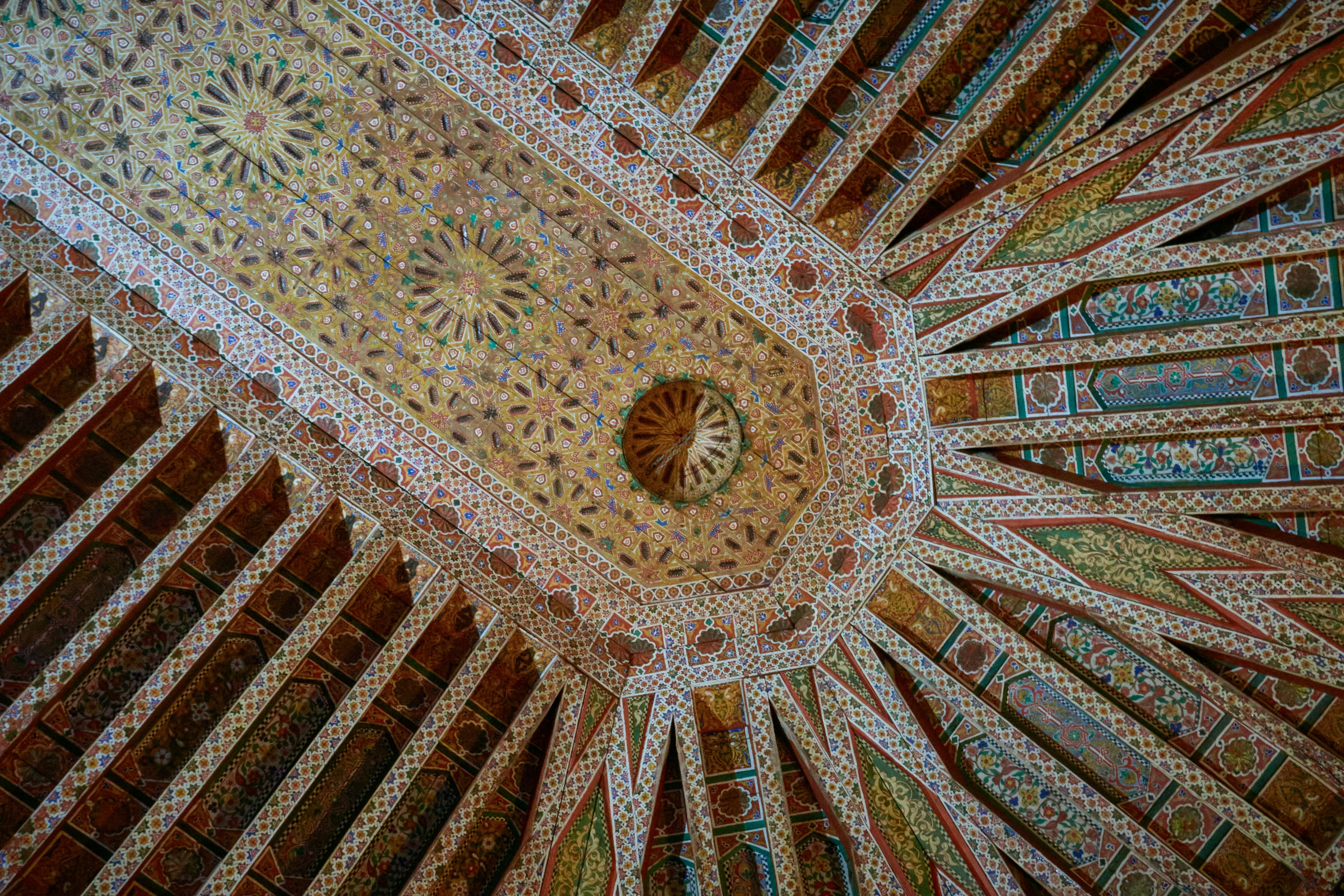
Bahia Palace. The 19th-century grand vizier Si Moussa built this for himself, and then his son doubled it. The result is slightly excessive (and that was the point). What makes it worth visiting isn't the scale, but the tile work and cedar ceilings, which show Moroccan craft tradition at full stretch.
A riad dinner, not a restaurant dinner. The better riads in the medina open their kitchens for private dinners. Some offer set menus, some take a more bespoke approach. Dar Zellij and Nomad (rooftop, contemporary Moroccan) are consistent. The cooking is frequently better than most formal restaurants, and the courtyar setting change the experience entirely.
The mellah (Jewish quarter). Marrakech's historic Jewish quarter sits adjacent to the Bahia Palace and is under visited relative to its historical significance. Morocco's Jewish community shaped the city's commercial and intellectual life for centuries; the synagogues and the market streets tell that story if you know to look for it.
Best Time to Visit Marrakech
Spring (March to May) and autumn (September to November) are the most comfortable months, with daytime temperatures in the low 60s Fahrenheit. Summer is genuinely hot, with July and August regularly reaching 100°F or above which makes long medina walks uncomfortable but desert excursions and mountain trips viable. Winter in Marrakech is mild and underrated; the medina is quieter, the riad prices are lower, and the Atlas Mountains have snow.
Considering visiting during Ramadan? Be aware that the medina slows during the day and transforms at night when the fast breaks and the city comes alive in a way that's unlike any other time of year. Some restaurants close for lunch; many experiences continue as normal. It's a time to observe, not to extract yourself from.
Frequently Asked Questions
What is Marrakech known for?
Marrakech is known for its historic medina (a UNESCO World Heritage Site), as well as its dynastic palaces, craft souks, and position as a gateway to the Atlas Mountains and Agafay Desert. It's one of Morocco's four imperial cities and has been a center of political power, trade, and artisanship since the 11th century.How many days do you need in Marrakech?
Three to four days allows you time to explore the medina properly, take at least one craft workshop or cooking class, and reach beyond the city into the Atlas Mountains or the Agafay. Two days is enough for the highlights; any more than four and you're likely ready for Fes.