Berlin Private Guided Walking Tours
16
Experiences available

Berlin Tours

Expert-led Berlin walking tours that turn complex history and creative energy into meaningful discoveries

Let Your Curiosity Shape Your Journey

Join passionate experts on intimate walking tours that reveal a city's unique stories, spark conversations, and leave you seeing the world—and yourself—a little differently.

Crafted for conversation

With ten or fewer guests, ask questions, engage with your Expert, and fully immerse yourself.

Experts, not guides

Explore with 1,200+ Experts, from historians and architects to archaeologists and chefs.

Structured, never scripted

Your interests guide your Expert, leading to stories and perspectives that matter to you.

From curious to connoisseur

For first-time visitors or seasoned explorers, our tours span city highlights to deep-dive masterclasses.

Berlin, Seen with Context

Berlin isn’t just landmarks of a divided past. Walk with an expert to explore how empire, ideology, and reinvention shaped one of Europe’s most dynamic cities.
Hear from our customers

1,649 Reviews

Absolutely outstanding. An engaging and informative tour. We all learnt so much and the time flew by. Thank you so much Finn!

Lauren, our guide, was super knowledgeable AND fun- a great combination! And her introduction to Berlin lives up to Context’s name by linking buildings, squares and landmarks with the extraordinary sweep of history that makes Berlin so fascinating. We also loved her video lecture on the Context website!

This tour was incredible and one of the highlights of our trip! You will not find a more passionate guide than Lauren which made the morning extra special. Visiting Hitler bunker, the gestapo headquarters, and the most impactful memorial to the 6 million murdered Jews is something I will never forget and even a day later I still have chills from the experience. Lauren is a magical, beautiful person and just being in her presence will make you a better person. She goes beyond giving this tour, but encourages you to really think about the impact of what you’re seeing, question what happened and have deeper conversations. It’s truly a gift! The only sad part about the tour is that you can’t take Lauren home to be your new best friend.

Berlin Tours

Berlin is a city shaped by reinvention. Located in northeastern Germany along the Spree River, it has served as a Prussian capital, an imperial center, a divided Cold War frontier, and today one of Europe’s most influential cultural capitals. Few cities in the world reveal history so visibly in their streets—from remnants of the Berlin Wall to grand boulevards built by emperors and memorials confronting the legacy of the 20th century.

Today, travelers come to Berlin for its museums, architecture, and creative energy. But understanding the city means connecting its layers: imperial ambition, wartime destruction, Cold War division, and reunification. Context Travel’s Berlin tours are led by historians, political scholars, and cultural experts who help travelers read the city’s landscape as a living record of modern history.
Berlin is known for its role in shaping modern European history, its cultural experimentation, and its ability to rebuild and redefine itself.

Cold War History and the Berlin Wall

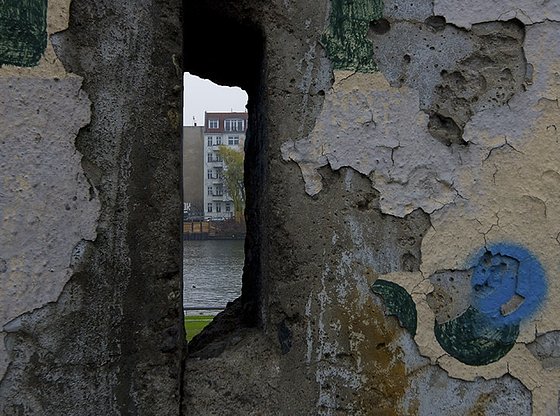
Berlin was the epicenter of Cold War tensions between East and West. Today, fragments of the Berlin Wall and sites like Checkpoint Charlie reveal how the city was physically and politically divided for nearly three decades.

World War II and 20th-Century Memory

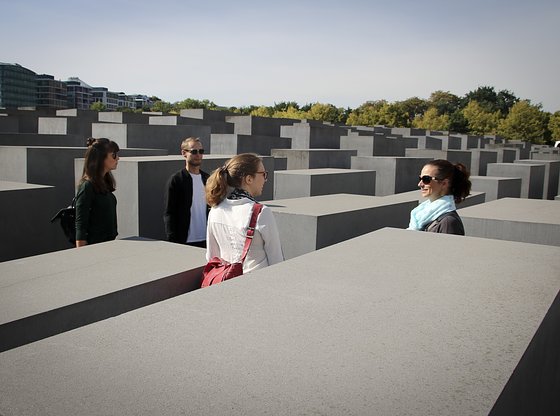
Berlin is home to powerful memorials that confront the legacy of the Second World War and the Holocaust, including the Memorial to the Murdered Jews of Europe and the Topography of Terror.

Prussian and Imperial Architecture

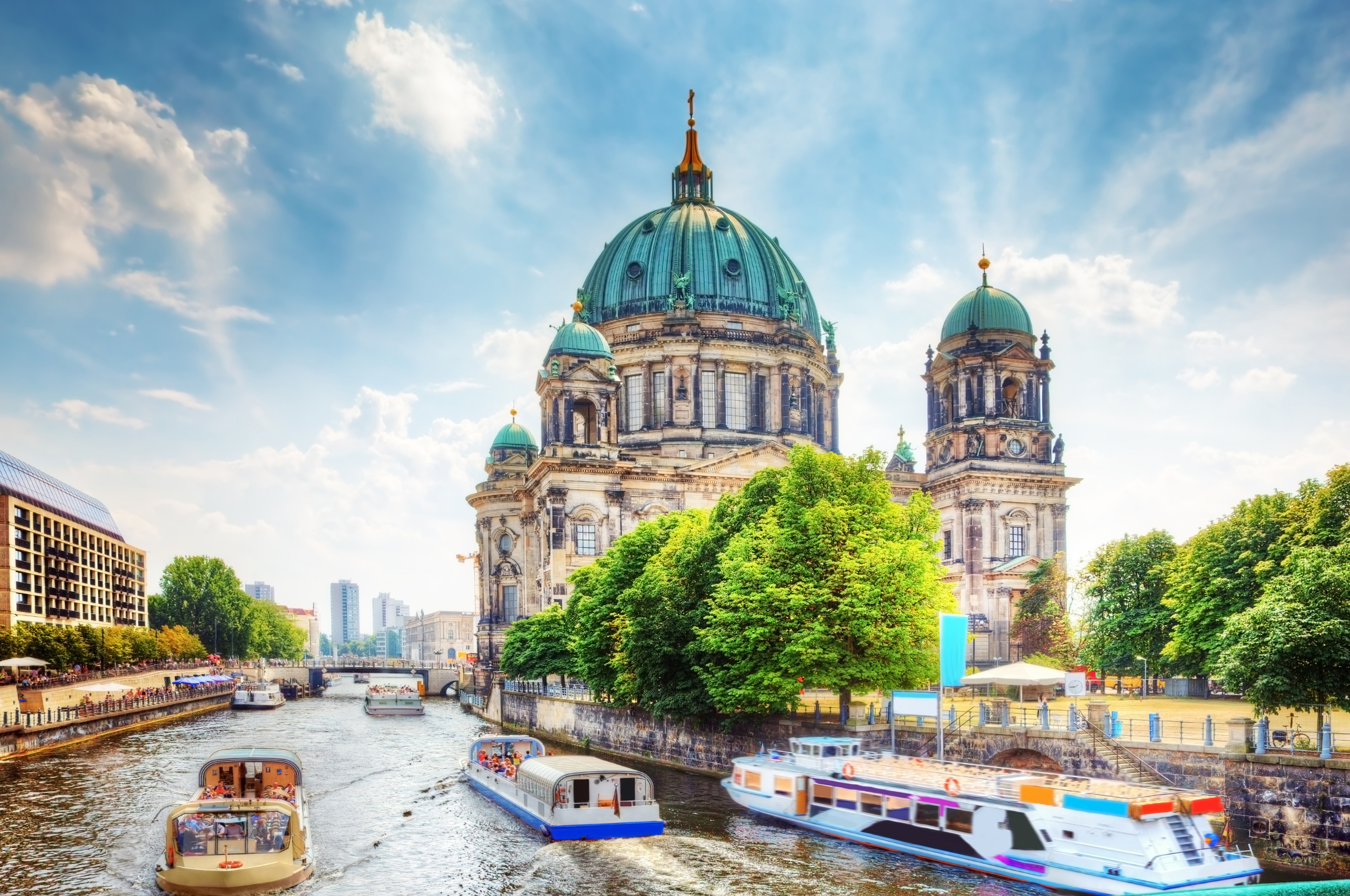
Landmarks such as Brandenburg Gate, Museum Island, and Unter den Linden reflect Berlin’s development as the capital of Prussia and later the German Empire.

Museums and Cultural Institutions

Berlin houses some of Europe’s most important museums, including those on UNESCO-listed Museum Island, which preserve artifacts spanning thousands of years of world history.

Creative and Cultural Innovation

Following reunification, Berlin became a global hub for art, music, and design, attracting artists and thinkers from around the world.
Berlin rewards travelers who want to understand how history shapes the present. 

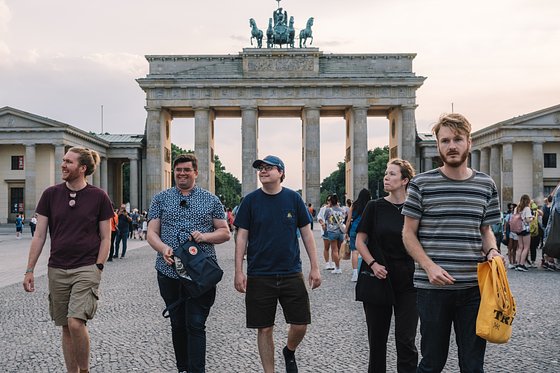
First-time visitors benefit from guided introductions that connect major landmarks like Brandenburg Gate and the Berlin Wall into a clear narrative of the city’s past. 

Lifelong learners are drawn to Berlin’s museums, political history, and cultural debates about memory and identity. 

Families often appreciate how the city’s landmarks make complex history accessible, while repeat visitors explore neighborhoods, architecture, and contemporary cultural life beyond the main sites.
Berlin is a large city but well connected by public transportation, including the U-Bahn, S-Bahn, buses, and trams. Many historic landmarks are concentrated in the central districts, making guided walking tours an effective way to understand the city’s history.

Most travelers spend three to four days in Berlin exploring museums, historical landmarks, and neighborhoods. Spring through early autumn offers the most comfortable weather for walking tours, though Berlin’s cultural scene makes it a year-round destination.

German is the official language, though English is widely spoken in tourism and cultural institutions. Germany uses the euro as its currency.

What is Berlin known for?

Berlin is known for its role in shaping modern European history, particularly during World War II and the Cold War. The city is also famous for landmarks like Brandenburg Gate, remnants of the Berlin Wall, and Museum Island, which houses several of Germany’s most important museums.

Is Berlin worth visiting?

Yes. Berlin offers one of Europe’s richest historical and cultural landscapes, combining world-class museums, powerful historical memorials, and a dynamic contemporary arts scene.

How many days should you spend in Berlin?

Most travelers spend three to four days exploring Berlin’s major landmarks, museums, and neighborhoods. Additional time allows for deeper exploration of cultural institutions and districts beyond the historic center.

Is Berlin walkable?

While Berlin is larger than many European capitals, many historic landmarks are located within walkable areas in the city center. Public transportation also makes it easy to reach different neighborhoods.

Why was Berlin divided during the Cold War?

After World War II, Germany was divided into zones controlled by the Allied powers. Berlin, though located inside Soviet-controlled East Germany, was also divided between the Western Allies and the Soviet Union. In 1961 the Berlin Wall was built to prevent movement between East and West Berlin, symbolizing the global divide of the Cold War until it fell in 1989.

Why does Berlin have so many memorials and historical sites?

Berlin intentionally preserves sites connected to difficult chapters of history, including World War II and the Holocaust. Memorials and museums help explain how these events shaped Germany and encourage reflection on the past.

Is Berlin a good city for museums?

Yes. Berlin is home to more than 170 museums, including the five major institutions on UNESCO-listed Museum Island, which showcase art, archaeology, and cultural history from around the world.