Our tour with Suleyman was the first thing we did in Istanbul and that was a great choice! Suleyman was a charismatic and knowledgeable host—he clearly has a passion for history and sharing that with others. Not only did we see the Haggia Sofia and Blue Mosque, but I expressed interest in seeing the cisterns so Suleyman took us through there as well. He also gave us a great lunch recommendation for after our tour. We ended up running into Suleyman at the market on the Asian side the next day, which made Istanbul seem like a much smaller city and just that much more familiar. Thank you Suleyman for a great first day in Istanbul—we could listen to you teach us about Turkey forever!
Istanbul City Tour: Blue Mosque to Hagia Sophia
Get oriented in Istanbul’s essential landmarks and neighborhoods
Put the guidebook away and explore Istanbul with a Context Expert who makes its maze of monuments, sacred spaces, and local cues easy to understand.
Tour Highlights
- One city, two continents Stand where Europe and Asia meet in a former imperial capital that still holds layers of history.
- Hidden details in plain sight Learn the stories, customs, and quiet cues that most visitors walk right past.
- Beyond dates and dynasties Connect Byzantine, Ottoman, and modern Istanbul, turning the unfamiliar into a clear story.
- A local beside you Language, customs, and local rhythms feel easier with an expert leading the way.
- Let someone else lead Hand over the map-reading, crowd-dodging, and route decisions, and just enjoy the city.
- Put the guidebook away Connect Hagia Sophia, the Hippodrome, a cistern, and the Blue Mosque in one easy-to-grasp narrative.
Led by Experts, Shaped by You
Explore with an expert guide who responds to your questions, your interests, and your pace. Reveal layers of meaning most visitors miss—go from seeing to understanding.
The Finer Details
Istanbul can feel like a maze of monuments until you share it with someone who knows how to reveal its layers. Here, imperial ruins, mosque courtyards, tiled interiors, and soaring domes sit close together, but the deeper story lives in the quiet spaces and traditions most visitors miss. With a Context Expert beside you, Hagia Sophia, the Blue Mosque, the Hippodrome, and the main highlights begin to connect. The result is not just a route through major sites, but a clearer, more personal way into the city.
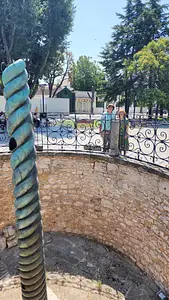
Among the fourth-century ruins of the Hippodrome, Constantinople takes shape. This was once the social heart of the Byzantine city where public spectacle and everyday life met. Your Expert connects the stones and setting to the rise of a capital that helped shape empires. Stand here to see why Istanbul—a city stretched between Europe and Asia—never quite belonging to only one world.
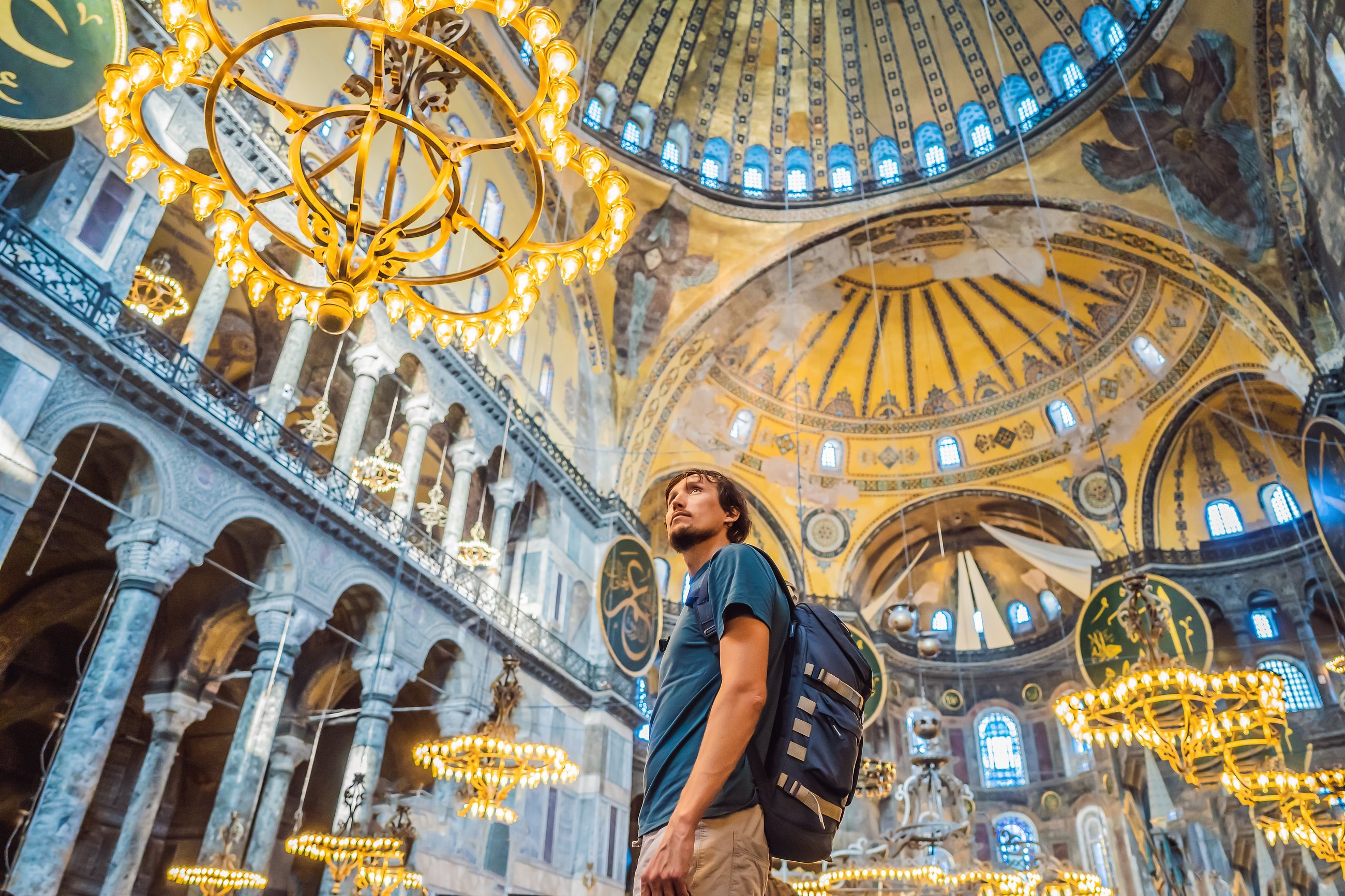
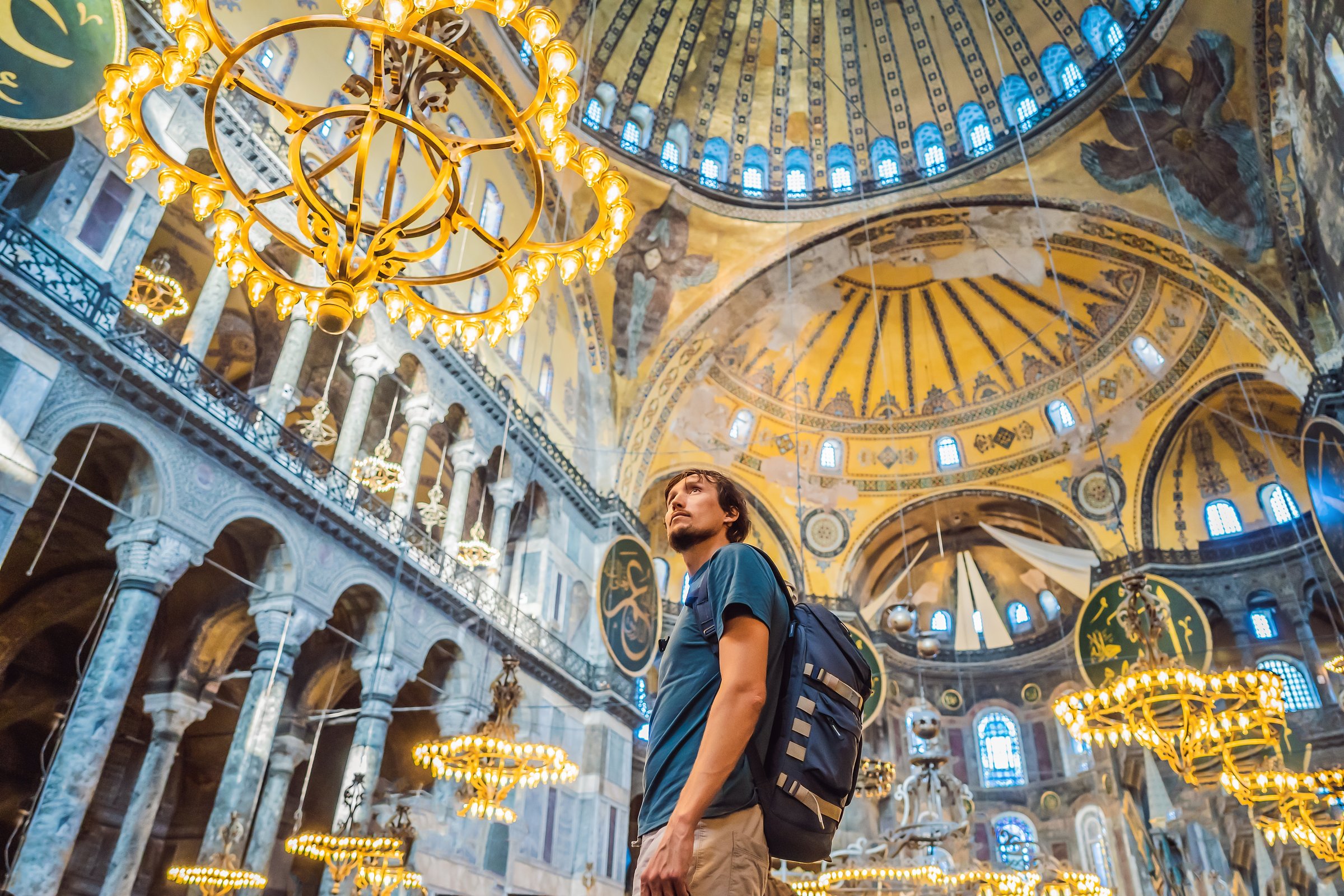
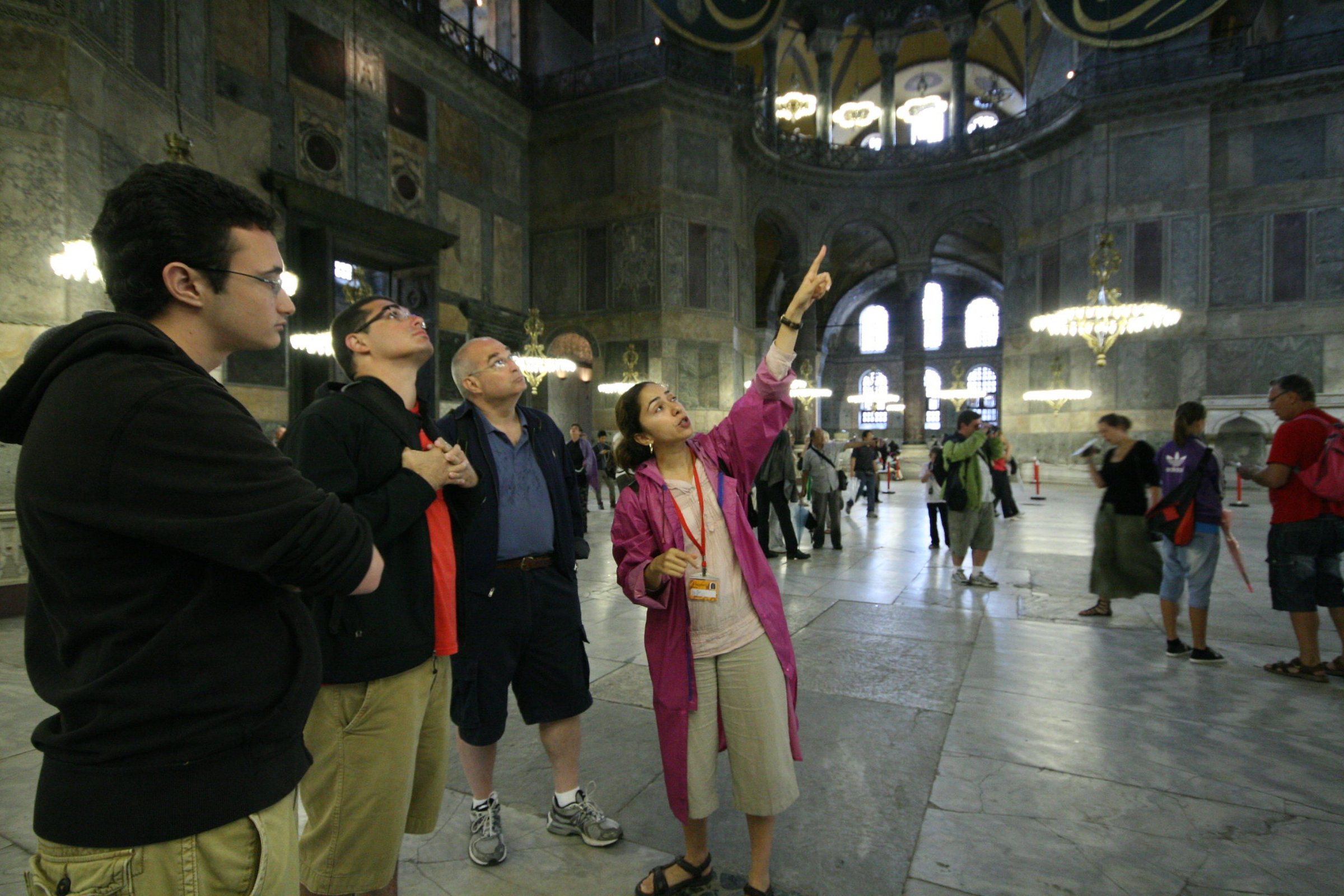
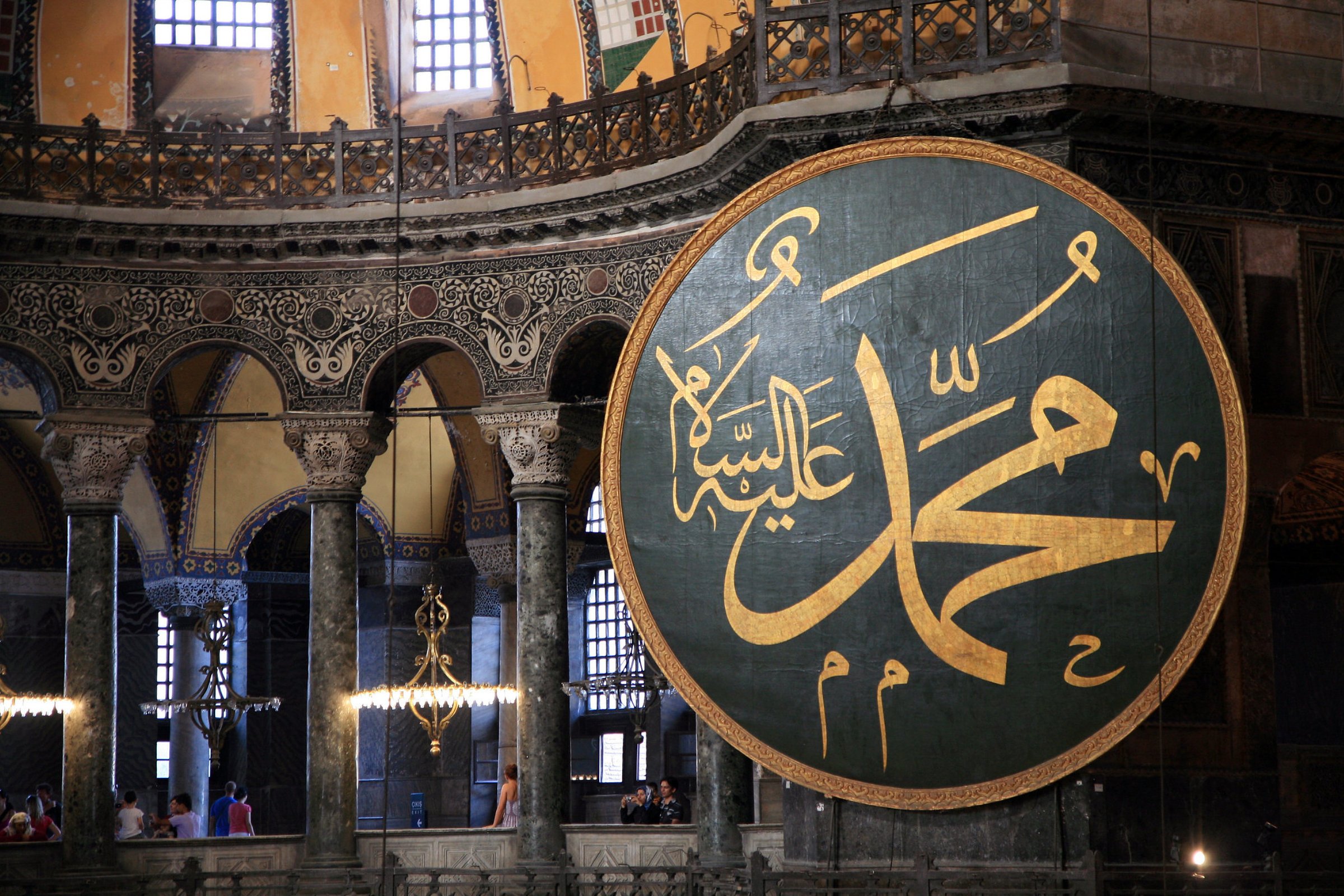
Built in the sixth century as a cathedral, Hagia Sophia was later transformed into a mosque, then a museum, and today functions as a mosque again. From the upper galleries, look toward the great dome and mosaics while your Expert explains how one building can hold devotion, politics, artistry, and memory at once. In how many other cities can you visit one monument that carries so much?
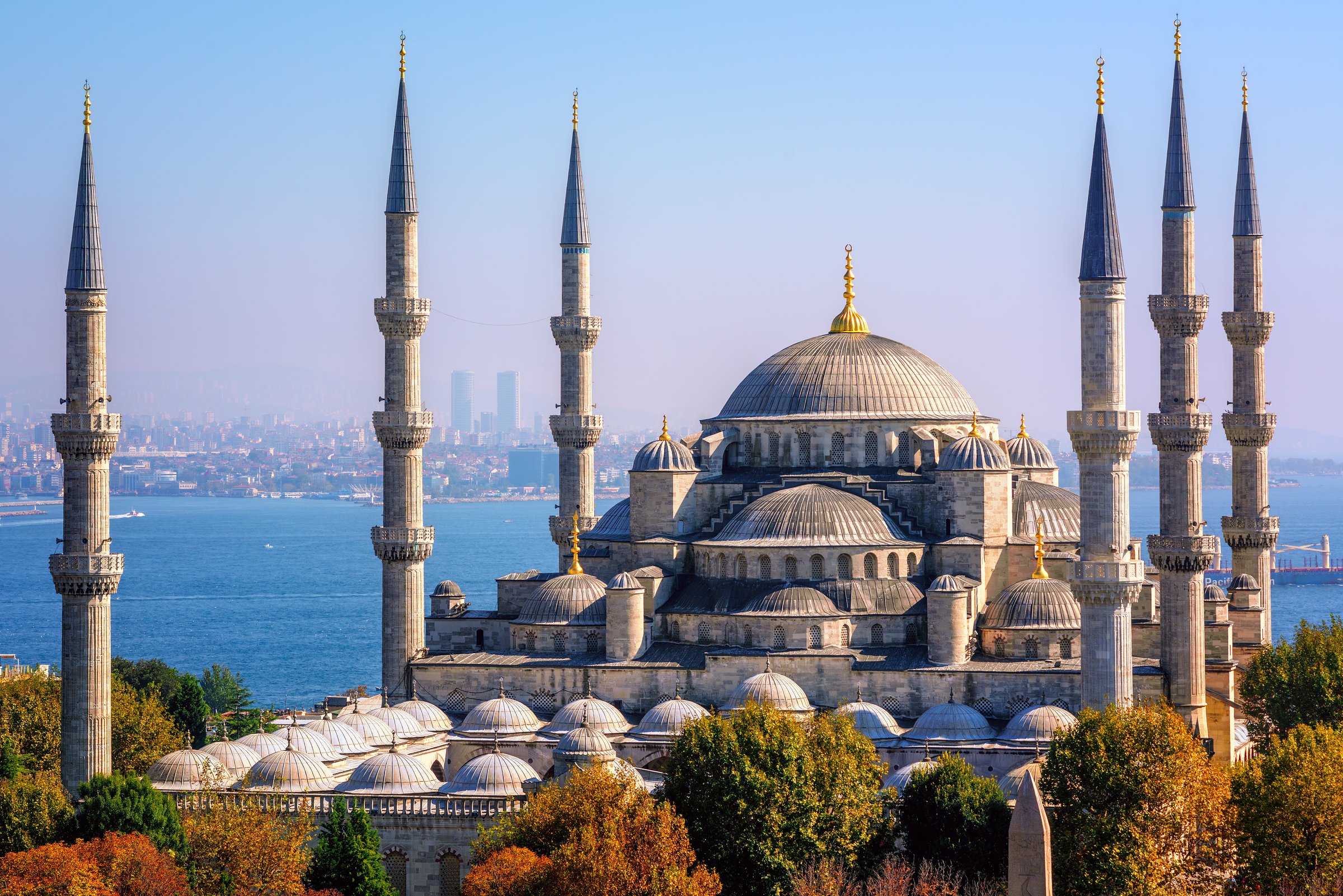
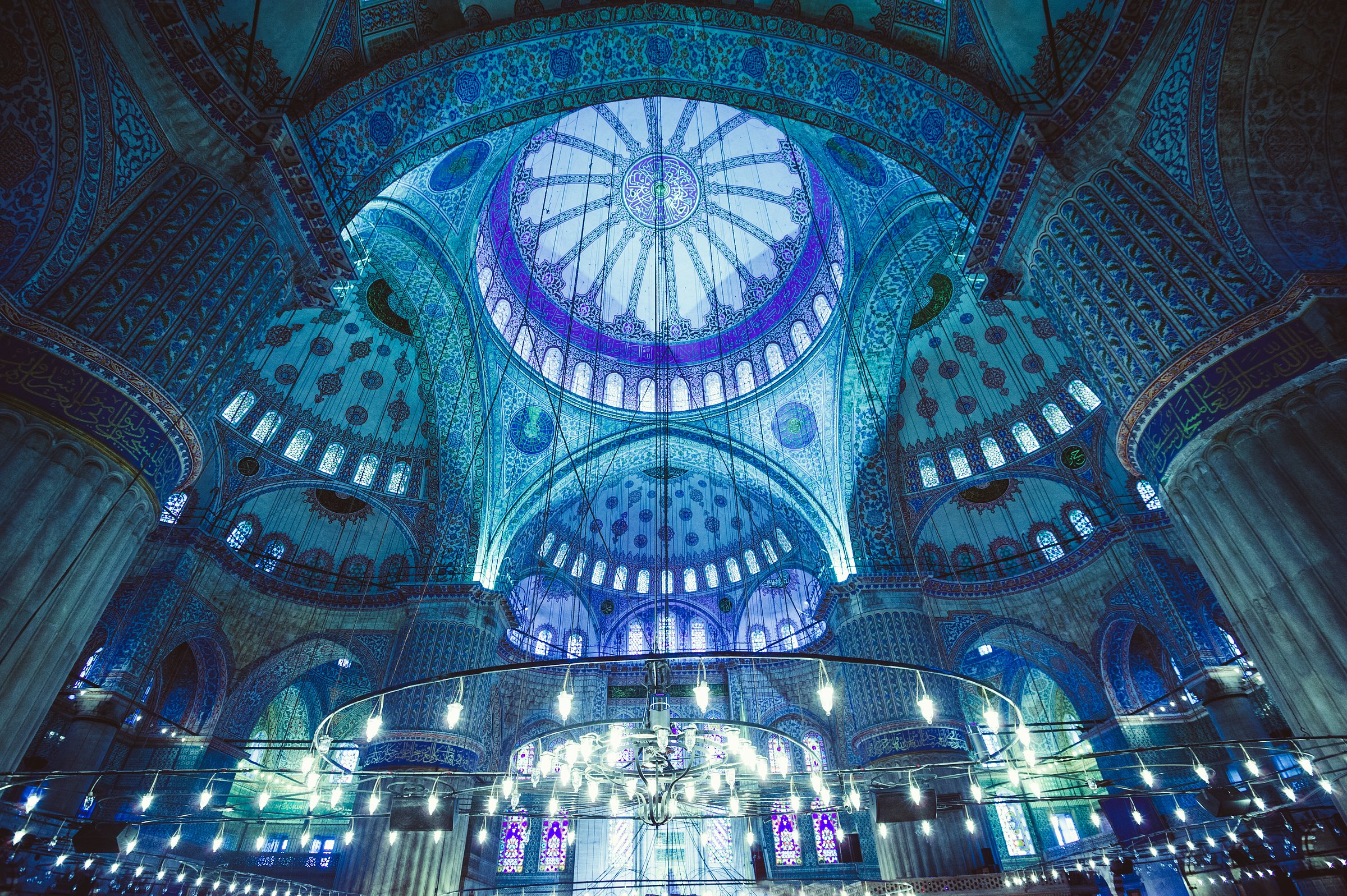
The conversation shifts with the fall of Constantinople and the Ottoman world that followed. At the Sultan Ahmed Mosque (better known as the Blue Mosque), the venue’s scale, symmetry, and thousands of blue Iznik tiles turn its architecture into a message of power and faith. Instead of trying to untangle unfamiliar dynasties on their own, follow the thread your Expert lays out and let your questions lead the way to deeper understanding.
Depending on your interests, this Istanbul city tour may continue to the Nakilbent Cistern, a Byzantine underground reservoir where you can see the city’s engineering drop below street level. Or you may choose to pause over tea in a local cafe, using the moment to ask about life in Istanbul today. These are the moments that make the city feel shared.
By the end, Istanbul’s busiest sites feel less overwhelming and more understandable. The city is not Turkey’s capital today, yet it still carries the memory of Constantinople, the Ottoman capital, in today’s streets. That tension is part of its pull: ancient and immediate, familiar and surprising, European and Asian all at once. Leave with fewer loose facts and a stronger sense of how Istanbul holds together histories of empires long gone.
Meet the Experts







Where You’ll Go
From iconic landmarks to tucked-away local favorites, these are the places you’ll explore and experience firsthand with your Expert.
-
Hagia SophiaByzantine church-turned-mosque in Istanbul, famous for domes, mosaics, and historic significance.
-
Hippodrome of Constantinople
-
Nakilbent Cistern
-
The Blue Mosque
What’s Included As Standard
Here’s a look at what your tour covers, plus anything you’ll want to consider arranging separately, so you can plan with confidence.
Included
-
English-speaking expert guideTours led in English, offering you unbroken understanding throughout.
-
Intentionally sized groupsA smaller group means more time for conversations and questions.
-
Tickets and entrance feesAll entry tickets included.
-
HeadsetsHeadsets are included on this tour, so every word can be heard.
Not Included
-
GratuitiesTips aren’t included, but we encourage tipping as a way to thank your guide after your experience.
-
Food and drinkFood and drink are not included, but your expert can provide recommendations for after the tour.
-
Transportation to and from the meeting pointTransportation is not included. Pre- and/or post-transit can be added to some tours by request.
-
Hotel pickup or drop-offTravel to or from accommodation isn’t included; however, this service can be added by request.
Where You'll Explore
Make the Most of Your Tour
Some helpful advice for getting the most from your experience, from practical prep to small on-the-day tips.
Dos:
- Wear comfortable footwear
- Check the weather and dress appropriately
- Bring a bottle of water (no glass)
- Feel free to ask your Expert anything
Don'ts:
- Bring firearms or weapons
- Bring sharp objects (e.g. knives, swiss army knives, switchblades, hiking sticks)
- Dress inappropriately to enter religious sites or sacred monuments
Any questions? You can always
contact us.
Frequently Asked Questions
No. Since Hagia Sophia was reconverted into a mosque in 2020, all visitors must wait in line to enter regardless of whether they are visiting tourists or locals waiting to worship. This can lead to very long lines. If the line is particularly long, your guide may propose an alternative itinerary, or you can choose to wait in line together.
Access to the mosque is currently limited to the general public. Only the galleries on the upper floor can be visited.
This tour does not include Topkapi Palace. Please see our Topkapi Palace Tour or our Istanbul in a Day for a comprehensive introduction to that historic site.
Yes, sites visited on this tour are considered holy places. Shoulders and knees must be covered. Dresses and shorts must be below knee level, and shoulders must be covered (zip-on jackets or scarves are acceptable). We recommend bringing along scarves or shawls to be able to cover those body parts. These rules may seem unduly strict, but remember, you are a guest visiting sites that are regarded as a religious sanctuary.
We are happy to assign a family-friendly guide for your tour. You may also like our Topkapi Palace Tour for Kids tour which is specifically designed to engage younger learners.
Book with confidence — see Context's flexible cancellation policy here.
The Hagia Sophia is wheelchair accessible.
This tour is not walking intensive for clients with reduced mobility. We recommend that clients with mobility challenges contact us so we can create a tour adapted to their concerns.
This tour is not walking intensive for clients with reduced mobility. We recommend that clients with mobility challenges contact us so we can create a tour adapted to their concerns.
Don’t just take our word for it
Great tour and guide, thank you!
Wow. Just absolute wow! Our guide was Melike and she was wonderful. I am a history professor and I was hoping that we would get a guide that knew at least as much as I did about the Hippodrome, Hagia Sophia, Etc. She knew much much more and really helped improve my knowledge and repertoire for teaching. I highly recommend her for all your Istanbul guide needs.
Let Your Curiosity Shape Your Journey
Join passionate experts on intimate walking tours that reveal a city’s unique stories, spark conversations, and leave you seeing the world—and yourself—a little differently.
Structured, never scripted
Your interests guide your Expert, leading to stories and perspectives that matter to you.
Crafted for conversation
With 12 or fewer guests, ask questions, engage with your Expert, and fully immerse yourself.
Experts, not guides
Explore with 1,200+ Experts—from historians and architects to archaeologists and chefs.
Related experiences our customers also loved

Istanbul Highlights Tour
Istanbul’s historic center makes more sense when you stop treating its monuments as separate eras. The Hagia Sophia, Blue Mosque, and Hippodrome of Constantinople all occupy the same part of the city because this was once the political and ceremonial heart of two empires. On this Istanbul highlights tour, the larger question is how Constantinople became Ottoman Istanbul without losing the layers that came before. A Byzantine church became an imperial mosque. A Roman racecourse became an Ottoman civic space. New mosques were built beside monuments inherited from another empire. The result is not a city where one civilization simply replaced another. It is a place where rulers repeatedly reused, reinterpreted, and competed with the architecture already around them.
The relationship between Hagia Sophia and the Blue Mosque is one of the clearest ways to understand Istanbul’s imperial history.
Hagia Sophia was completed in the sixth century under the Byzantine emperor Justinian I and served for centuries as the great cathedral of Constantinople. After the Ottoman conquest of the city in 1453, it became a mosque.
More than 150 years later, Sultan Ahmed I commissioned the mosque now commonly called the Blue Mosque directly across from it.
That location was not accidental. By building on such a monumental scale beside Hagia Sophia, the Ottoman court was placing its own architectural statement within the same imperial landscape.
The two buildings therefore offer more than a comparison of Christian and Islamic architecture. Together they reveal how successive rulers used domes, scale, decoration, sacred space, and urban position to express authority.
Few buildings in the world have carried as many different identities while remaining central to the same city. Hagia Sophia has served as a Byzantine cathedral, an Ottoman mosque, a museum, and today once again functions as a mosque.
Each transition changed how the building was used and interpreted without erasing everything that came before. Christian mosaics coexist with enormous Islamic calligraphic roundels. Byzantine structural engineering sits within an Ottoman religious setting. Later restoration campaigns have exposed, concealed, and reinterpreted different parts of the building at different moments.
That layered history is why Hagia Sophia is more useful as a historical question than as a simple landmark.
What should a society preserve when a sacred building changes faith? How do rulers inherit monuments created by their predecessors? And when a building has belonged to multiple communities across fifteen centuries, which period should define it?
Those questions extend far beyond the building itself. They help explain Istanbul’s relationship with its Byzantine, Ottoman, and modern identities.
Choose this Istanbul Highlights Tour if you want a focused introduction to the historic center, connecting Hagia Sophia, the Blue Mosque, the Hippodrome, and the transition from Byzantine Constantinople to Ottoman Istanbul.
If your main interest is the Ottoman court, imperial politics, and the lives of the sultans, Context’s Topkapi Palace Tour goes deeper into the palace complex and the system of power that governed the empire.
If you want a broader full-day introduction, Istanbul in a Day is the better fit, combining more of the city’s major sites rather than concentrating primarily on Sultanahmet.
Travelers especially interested in the Byzantine city may prefer the Byzantine Istanbul Tour, which goes beyond the most famous monuments to trace Constantinople through additional surviving sites.
Is this a Hagia Sophia and Blue Mosque tour?
Yes. Hagia Sophia and the Blue Mosque are two of the central sites on the tour, alongside the Hippodrome and other locations in Istanbul’s historic center.
Does the tour go inside Hagia Sophia?
The current public visitor route is limited to the upper galleries. Visitors must queue for entry, and there is no true skip-the-line access because Hagia Sophia is an active mosque. If waits are especially long, your Expert may suggest adjusting the route.
Does the tour go inside the Blue Mosque?
Yes, subject to religious services and current visitor access. Because it is an active mosque, visitors need to follow dress requirements and may encounter temporary closures around prayer times.
What is the Hippodrome of Constantinople?
The Hippodrome was the ceremonial and sporting center of Byzantine Constantinople, used for chariot racing, public spectacle, and political gatherings.
Its surviving monuments help reconstruct the scale and importance of the Byzantine capital even though much of the original structure no longer stands above ground.
Why was Constantinople renamed Istanbul?
The city was known by several names across its history. Constantinople remained widely used for centuries after the Ottoman conquest, while forms of “Istanbul” also circulated much earlier.
Is Hagia Sophia a church or a mosque?
Today, Hagia Sophia functions as a mosque. Historically, it was built as a Byzantine Christian cathedral, converted into an Ottoman mosque after 1453, became a museum in 1935, and was reconverted into a mosque in 2020.
What is the difference between Byzantine and Ottoman Istanbul?
Byzantine Constantinople was the capital of the Eastern Roman Empire and developed around Christian imperial institutions.
After the Ottoman conquest in 1453, the city became the center of the Ottoman Empire, with new mosques, palaces, markets, and institutions layered onto the existing Byzantine city.
Is Topkapi Palace included?
No. Topkapi Palace is not included on this tour. If the palace is a priority, choose Context’s Topkapi Palace Tour or Istanbul in a Day, which includes a broader set of major historic sites.
What should I wear to visit Hagia Sophia and the Blue Mosque?
Both are active religious sites. Visitors should cover shoulders and knees, and women may need a head covering according to current mosque requirements. Bringing a lightweight scarf or shawl is useful.
Is this a good Istanbul tour for first-time visitors?
Yes. It is designed as a focused introduction to the city’s Byzantine and Ottoman history through several of its most important monuments.