


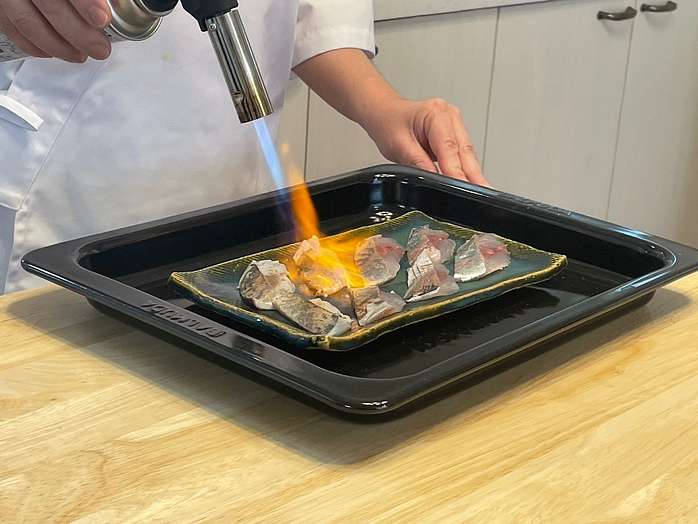


Akemi arranged an exceptionally fun and warm experience The sushi was excellent and we had a great time

22
Experiences available
Tokyo Tours
Expert-led Tokyo walking tours that turn ancient customs and modern innovation into meaningful discoveries
Let Your Curiosity Shape Your Journey
Join passionate experts on intimate walking tours that reveal a city's unique stories, spark conversations, and leave you seeing the world—and yourself—a little differently.

Crafted for conversation
With ten or fewer guests, ask questions, engage with your Expert, and fully immerse yourself.
Experts, not guides
Explore with 1,200+ Experts, from historians and architects to archaeologists and chefs.
Structured, never scripted
Your interests guide your Expert, leading to stories and perspectives that matter to you.
From curious to connoisseur
For first-time visitors or seasoned explorers, our tours span city highlights to deep-dive masterclasses.
Tokyo, Seen with Context
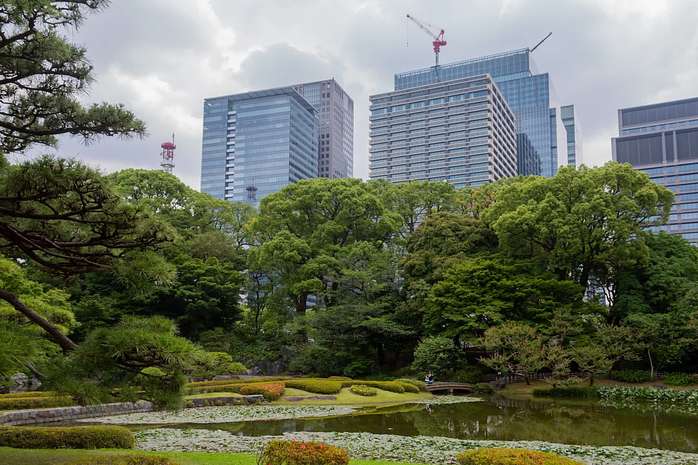
Tokyo isn’t only a city of neon lights and skyscrapers. Walk with an expert to explore how samurai traditions, innovation, and daily life shaped this extraordinary metropolis.
Hear from our customers
Our tour with Susan was exceptional in providing historical context and insights into our experience in Tokyo and Japan more broadly. Susan went beyond our expectations in providing details that made our day special. I recommend that you ask for her!
Sabrina was an outstanding tour guide and an incredible source of insight. We truly enjoyed our time exploring with her and came away with a much deeper appreciation and understanding of the local culture.
Tokyo Tours
Tokyo rewards curiosity, but it rarely explains itself. The city doesn’t unfold in a straight line, and without a framework, it can feel like a series of disconnected impressions.
The right tour helps you connect those impressions into something coherent.
Best for First-Time Visitors
If it’s your first time in Tokyo, the goal is not to cover as much ground as possible, but to build a mental map of how the city is organized.
These experiences introduce key districts and cultural touchpoints, helping you understand how Tokyo evolved from Edo into a modern global capital.
Best for History & Cultural Foundations
Tokyo’s past is not always visible, but it shapes everything from urban layout to social structure.
These tours explore religious practice, historical continuity, and how tradition remains embedded in daily life.
Best for Food & Culinary Culture
Food in Tokyo is not just about taste. It reflects precision, seasonality, and deep cultural values.
With the right guide, even a simple dish becomes a way of understanding craftsmanship, etiquette, and regional identity.
Best for Neighborhood Exploration
Tokyo is best understood through its neighborhoods, each with its own rhythm and identity.
These experiences reveal how modern culture, youth identity, and historical continuity coexist within the same city.
Best for Art, Design & Modern Tokyo
Tokyo is also a center of contemporary culture and design.
These tours explore how postwar reconstruction and innovation shaped the city’s modern identity.
Best for Families & Teens
Tokyo can be especially engaging for younger travelers when approached in the right way.
These experiences focus on interaction, storytelling, and pacing that works across generations.
Best for Flexible, Self-Guided Exploration
For travelers who prefer independence, audio guides offer structure without a fixed schedule.
These allow you to explore at your own pace while still benefiting from expert interpretation.
Tokyo sits along the eastern coast of Japan’s main island of Honshu, where the Sumida River flows into Tokyo Bay. Originally a small fishing village known as Edo, the city rose to prominence in the early 17th century when it became the seat of power for the Tokugawa shogunate. Over the following centuries, Edo grew into one of the largest cities in the world, shaped by samurai governance, merchant culture, and evolving urban traditions.
Renamed Tokyo in 1868 when the imperial court moved from Kyoto, the city became Japan’s modern political and cultural capital. Today, Tokyo blends historic temples and gardens with contemporary architecture, global cuisine, and cutting-edge technology. Context Travel’s Tokyo tours are led by historians and cultural experts who help travelers understand how centuries of tradition continue to shape one of the world’s most complex cities.
Tokyo is known for its historic districts, culinary culture, and its role as the political and cultural center of modern Japan.
Edo Period Heritage
Tokyo developed as Edo, the seat of the Tokugawa shogunate, shaping Japan’s political and social order for more than two centuries.
Historic Shrines and Temples
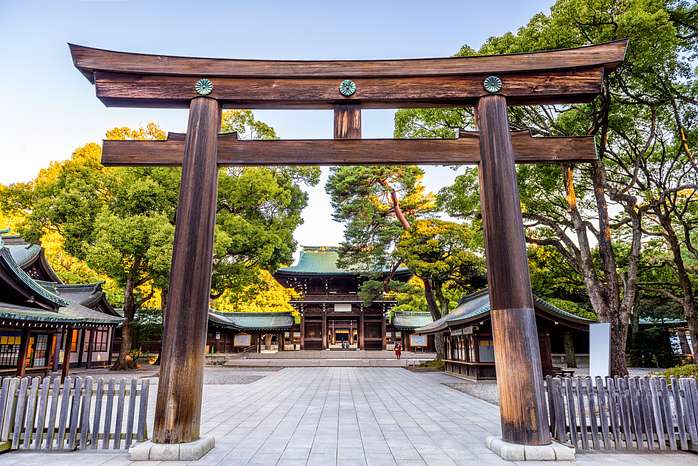
Sites such as Senso-ji Temple and Meiji Shrine reflect Japan’s spiritual traditions and architectural heritage.
Japanese Food Culture
Tokyo offers one of the most diverse and refined food scenes in the world, from sushi counters to neighborhood markets.
Modern Urban Innovation
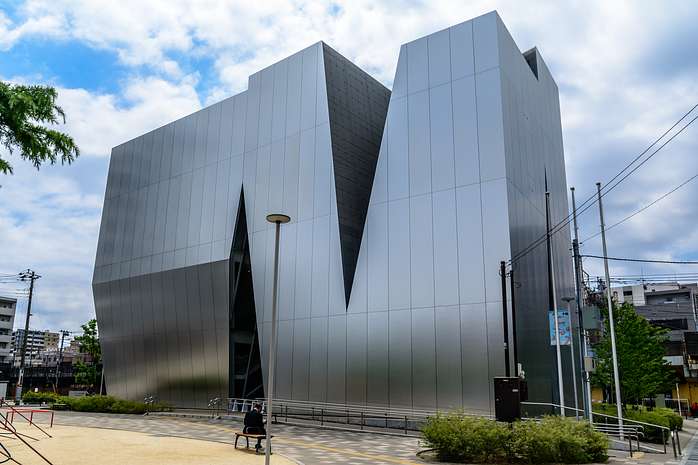
The city is a global center for design, technology, fashion, and contemporary architecture.
Distinct Neighborhood Identity
Districts such as Asakusa, Shibuya, and Ginza reveal different facets of Tokyo’s cultural life.
For many travelers, it comes down to how you want to understand a city like Tokyo.
Tokyo is layered in a way that isn’t always immediately visible. Ancient temples sit beside modern developments. Neighborhoods shift character block by block. Cultural norms, food traditions, and daily rituals often carry meanings that are easy to miss without context.
Context Travel’s Tokyo tours are designed to help you make sense of those layers. Led by historians, cultural experts, and local specialists, they focus on connecting what you see to how the city works, from Edo-period foundations to contemporary life.
We also offer a range of ways to explore depending on your travel style. Audio guides for independent travelers start under $20, small group tours begin around $99 per person, and private tours typically start around $320 for a more personalized experience.
If you’re looking to move beyond surface impressions and gain a clearer understanding of Tokyo’s culture, history, and daily rhythms, many travelers find that value well worth it.
Tokyo appeals to travelers interested in culture, food, and urban history. First-time visitors often begin with guided introductions to historic neighborhoods and temples to understand the city’s foundations in Edo-period Japan. Lifelong learners appreciate deeper conversations about Japanese society, religion, and urban development, while travelers drawn to cuisine and contemporary culture explore markets, restaurants, and Tokyo’s diverse neighborhoods.
Tokyo is a large city, though many neighborhoods are best explored on foot once you arrive. Walking tours are often combined with short subway rides between districts.
Most travelers spend four to five days in Tokyo, allowing time to explore historic areas, museums, and food culture.
Japanese is the primary language spoken in Tokyo, though English signage and assistance are widely available. Japan uses the Japanese yen (¥) as its currency.
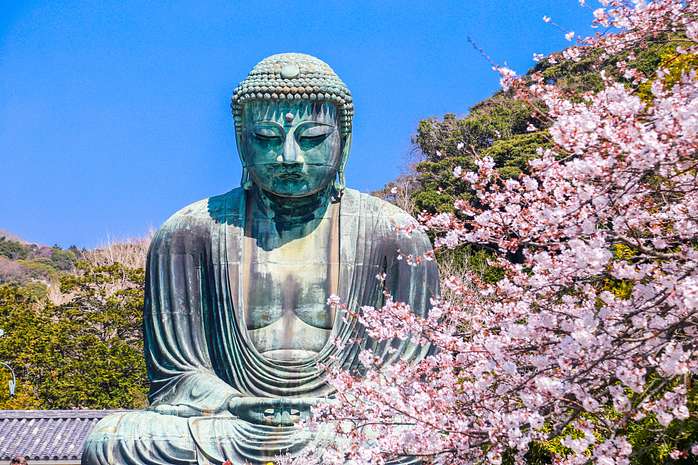
Spring and autumn are particularly popular seasons to visit, thanks to cherry blossom season and comfortable weather.
What is Tokyo known for?
Tokyo is known for its mix of historic temples, world-renowned cuisine, and its role as Japan’s political and cultural capital.
Is Tokyo worth visiting?
Yes. Tokyo offers an extraordinary blend of history, modern culture, architecture, and food traditions.
How many days should you spend in Tokyo?
Most travelers spend four to five days exploring Tokyo’s neighborhoods, temples, museums, and food scene.
Is Tokyo walkable?
Tokyo is best explored by combining walking tours with its efficient subway system.
Is Tokyo safe for travelers?
Tokyo is widely considered one of the safest major cities in the world for visitors.
What are the most famous places to visit in Tokyo?
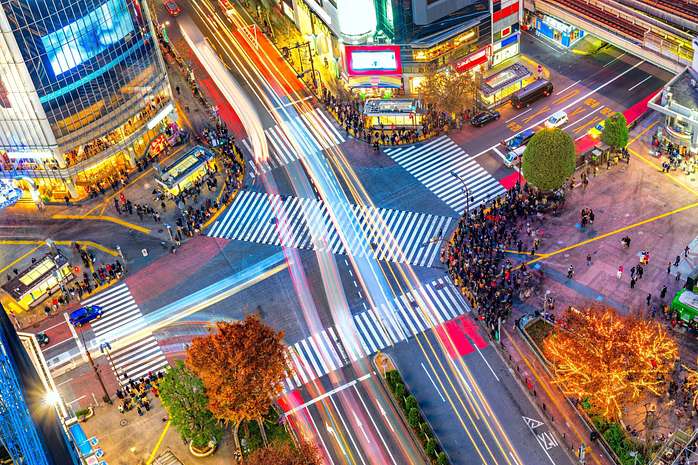
Popular landmarks include Senso-ji Temple, Meiji Shrine, Shibuya Crossing, the Imperial Palace, and traditional neighborhoods like Asakusa.