Rome Walking Tours History, art, neighborhood, food, and culture tours led by experts, guided by your curiosity
Rome Tours Our Travelers Love Most
Join expert guides on walking tours that reveal Rome through its art, ideas, and revolutions





Grab Our Free Rome Travel Guide!
Rome: In Context
Traveling to Rome "in Context" means embracing the soul of the city beyond its well-trodden paths. It's about diving into the heart of Rome, where every corner tells a story, every meal is a chapter in a long, flavorful history, and the true essence of the city is not just seen but felt.
At Context Travel, we guide you to the core of Rome, shining a light on hidden histories and local narratives, and connecting you with experiences that make the city eternally memorable. These recommendations are carefully curated by Context experts to bring you closer to the authentic spirit of Rome, celebrating its lesser-known treasures and profound cultural richness.
Day Trips from Rome
Discover what's outside the city and spend the day exploring these nearby destinations
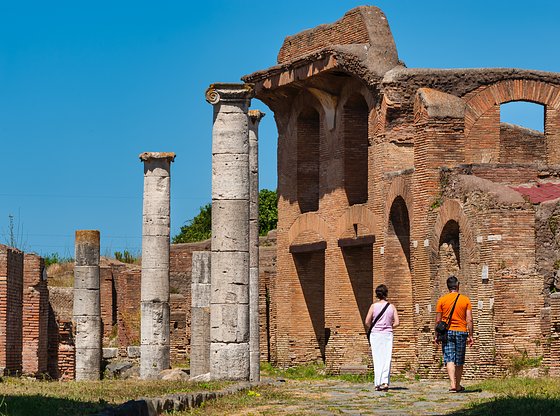
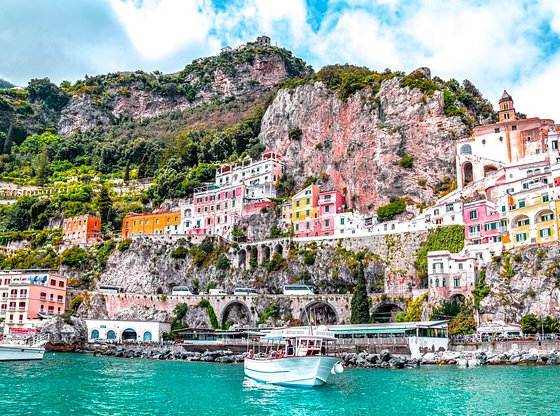
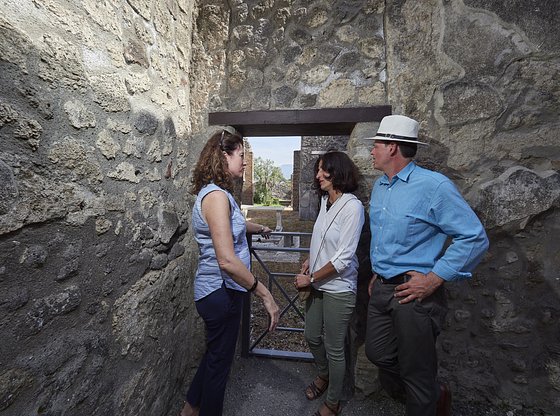
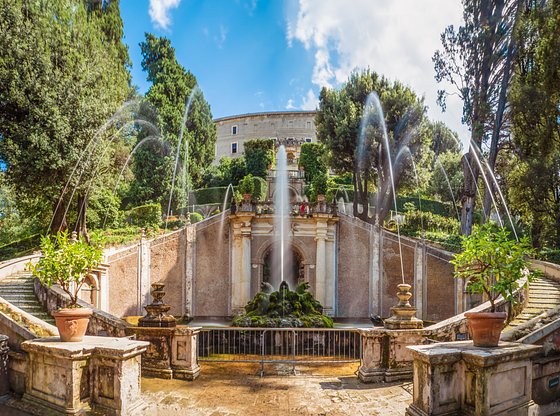
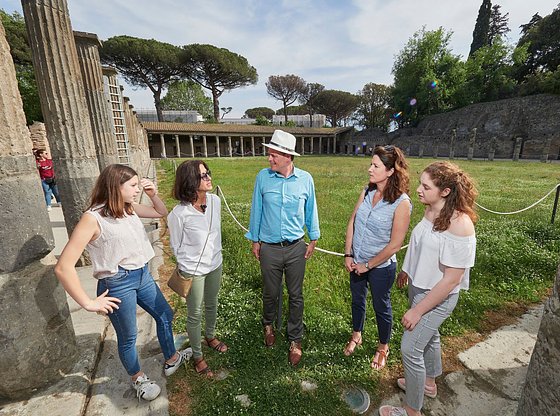
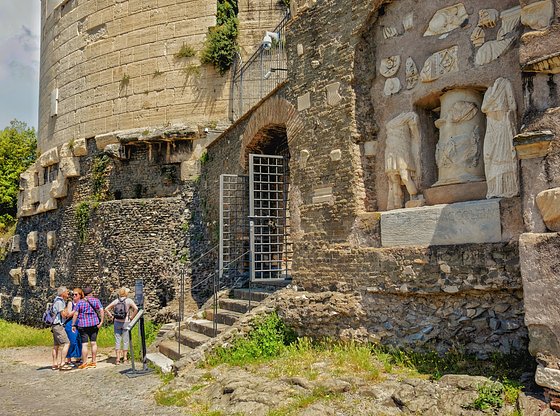
Off the Beaten Path Tours in Rome

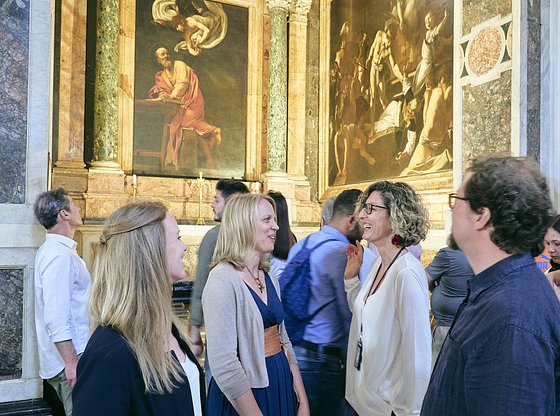
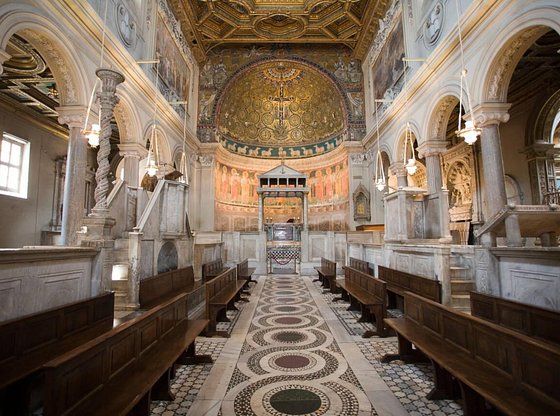
What Our Travelers Are Saying About Rome
–
10,256 Reviews
Reviews can only be left by Context customers after they have completed a tour. For more information about our reviews, please see our FAQ.
Rome Walking Tours with Expert Guides
Context Travel’s Rome walking tours are designed for travelers who want to understand the Eternal City through history, art, and lived experience. Led by local historians, archaeologists, art historians, and cultural scholars, our walking tours explore Rome's ancient ruins, Renaissance palaces, and how everyday Roman life coexists. These tours prioritize interpretation and conversation, helping travelers make sense of one of the most historically dense cities in the world.
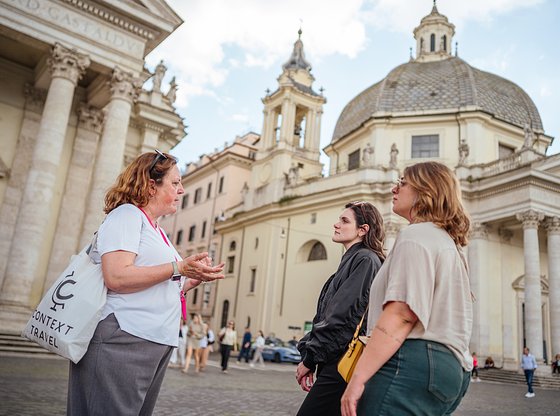
Our Rome walking tours are built around expert-led interpretation and small-group learning. Rather than rushing through monuments or following a fixed script (or flag), our guides encourage questions, adapt routes and pacing, and connect sites to larger historical narratives.
Tours are capped at six to ten guests, allowing for meaningful dialogue and close engagement with complex sites. As a Certified B Corporation, Context Travel also prioritizes responsible tourism, working with local experts and designing walking routes that respect Rome’s living neighborhoods and fragile historic fabric.
- History: Ancient Rome, the Roman Empire, papal power, and layered urban continuity
- Art & architecture: Roman engineering, Renaissance and Baroque masterpieces, and sacred spaces
- Food & drink: Roman cucina povera, markets, trattorias, and regional culinary traditions
- Cultural traditions: Catholic ritual, civic memory, and neighborhood life
- Modern relevance: A living capital shaped by history, faith, and contemporary Italian culture
Rome walking tours are especially well suited to first-time visitors seeking historical grounding, lifelong learners interested in archaeology or art history, and repeat travelers wanting to deepen their understanding beyond major landmarks. Couples and solo travelers benefit from the conversational format, while families with older children appreciate tours that transform ruins and churches into engaging learning environments.
Rome is a highly walkable city, though uneven terrain and cobblestones are common. Most travelers spend 3–5 days exploring Rome. Walking tours pair easily with museum visits and café breaks. Italian is the primary language, and the local currency is the euro (EUR).
Are walking tours in Rome worth it?
Yes! Rome is one of the most historically dense cities in the world, and many of its most important sites are layered, fragmented, or embedded into the modern city. Walking tours help travelers understand how ancient ruins, Renaissance churches, and everyday Roman life connect, rather than seeing them as isolated monuments.
How much walking is involved on a Rome walking tour?
Most Rome walking tours involve moderate walking over two to seven hours, often on cobblestones and uneven surfaces. Distances vary by tour, but travelers should expect periods of standing and slow walking, especially in historic areas and archaeological sites.
Are Rome walking tours suitable for older travelers?
Many travelers of all ages enjoy walking tours in Rome, especially when the pace is thoughtful and includes breaks. That said, Rome’s terrain can be challenging. Travelers with mobility concerns should review tour details carefully and consider private tours, which allow for route and pacing adjustments.
What should I wear on a walking tour in Rome?
Comfortable walking shoes are essential due to cobblestones and uneven pavement. Lightweight clothing, sun protection, and a refillable water bottle are recommended, especially in warmer months. When visiting churches or Vatican sites, modest attire covering shoulders and knees is required.
How long should I plan for a walking tour in Rome?
Most walking tours last 2.5 to 4 hours, depending on the itinerary and focus. Full-day experiences are also available but typically combine walking with breaks or museum visits.
Do walking tours in Rome include skip-the-line access?
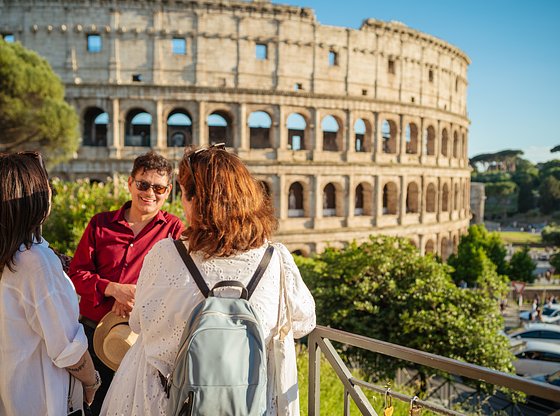
Some Rome walking tours include skip-the-line or timed-entry access to major sites such as the Colosseum or Vatican Museums, while others focus on outdoor exploration. Tour descriptions will specify what is included.
Is Rome a walkable city?
Rome is very walkable in terms of proximity—many major sites are close together—but the city’s historic streets, hills, and surfaces can make walking physically demanding. Guided walking tours help travelers navigate efficiently and avoid unnecessary backtracking.
Are walking tours in Rome good for first-time visitors?
Yes. Walking tours are one of the best ways for first-time visitors to get oriented, understand Rome’s layout, and learn how different historical periods overlap. Many travelers start their trip with a walking tour and then explore independently afterward.
Can walking tours be done in hot weather?
Walking tours run year-round, but summer heat can be intense. Morning tours are often more comfortable in warmer months. Guides typically adapt pacing, seek shade where possible, and recommend hydration breaks.