Gothic architecture wasn’t born fully formed. It rose, stone by stone, from the streets of medieval Paris. In the 12th and 13th centuries, this city became a playground for experimentation with height, light, and structural daring. What problem were these builders trying to solve? And how did Paris become the stage for an architectural revolution?
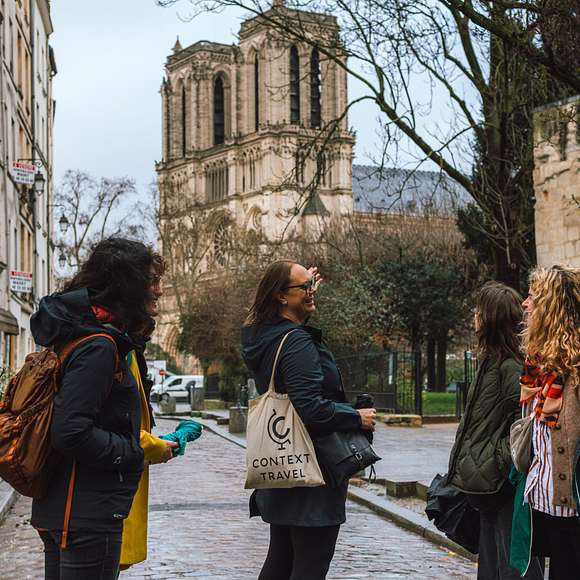
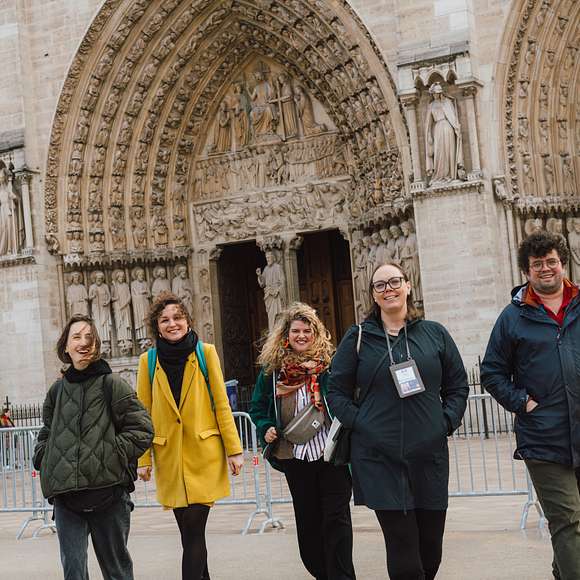
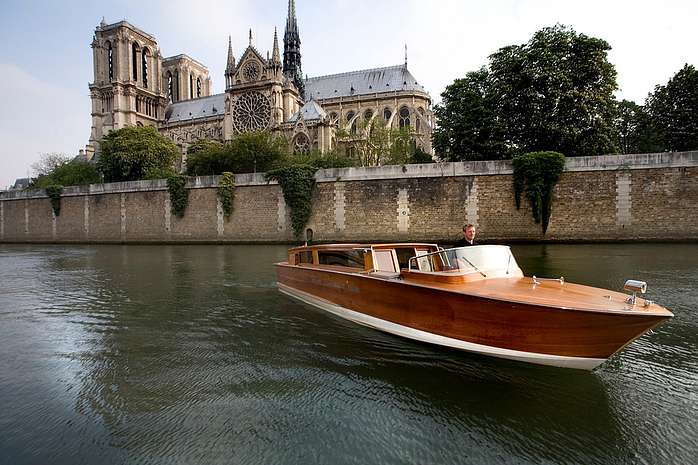
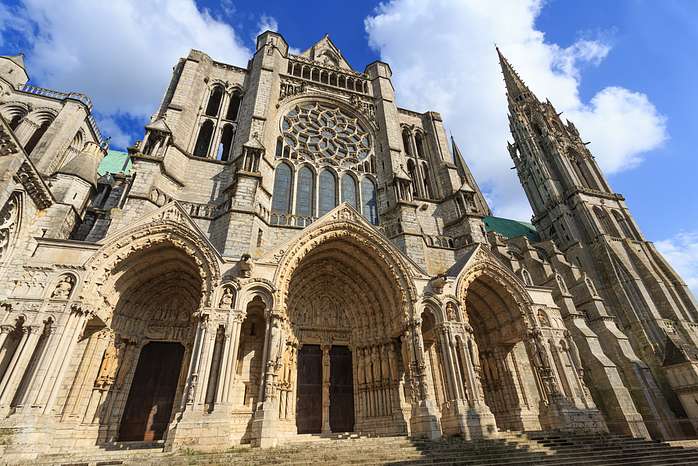
Notre Dame stands firmly anchored on Île de la Cité as both masterpiece and experiment. Its sculpted portals, pointed arches, and flying buttresses reveal the logic of a new style obsessed with verticality and illumination. Here, engineering and theology converge: walls dissolve into stained glass, weight shifts outward, and interiors flood with colored light. The 2019 fire and the ongoing restoration add a modern chapter to this long story of ambition and resilience, but it is only one moment in a much older narrative.
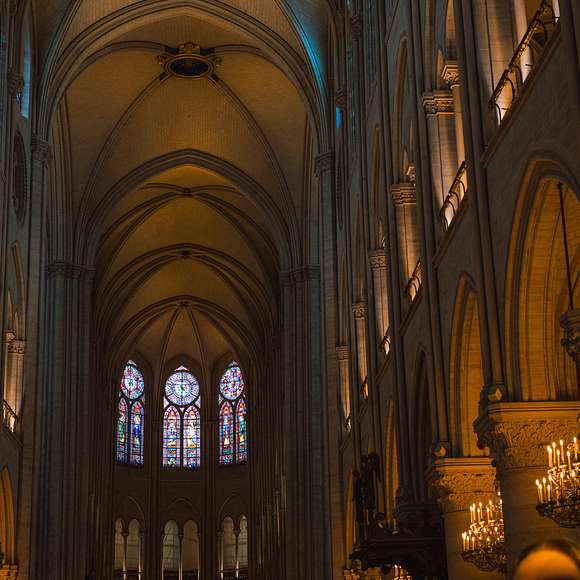
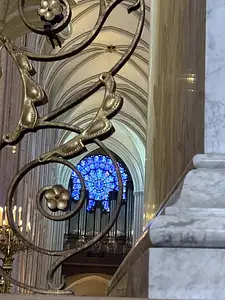
Inside the cathedral, space itself becomes expressive. Ribbed vaults draw your eye upward; light filters through medieval glass; sculpture represents doctrine in stone. Together, we’ll unpack what makes Gothic architecture structurally radical and spiritually charged. How did these buildings make belief visible?
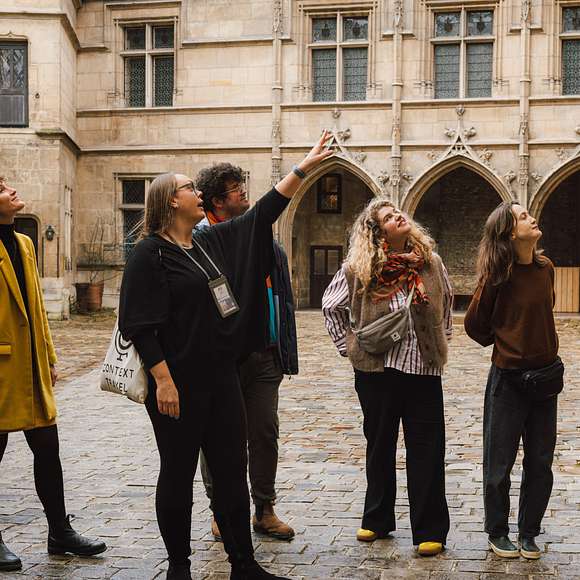
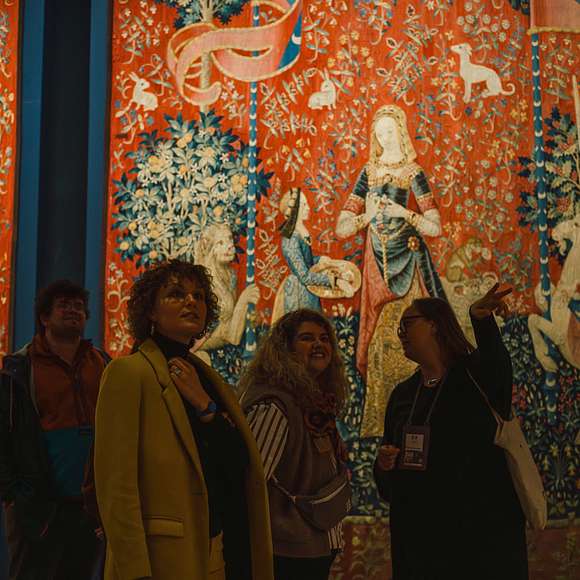
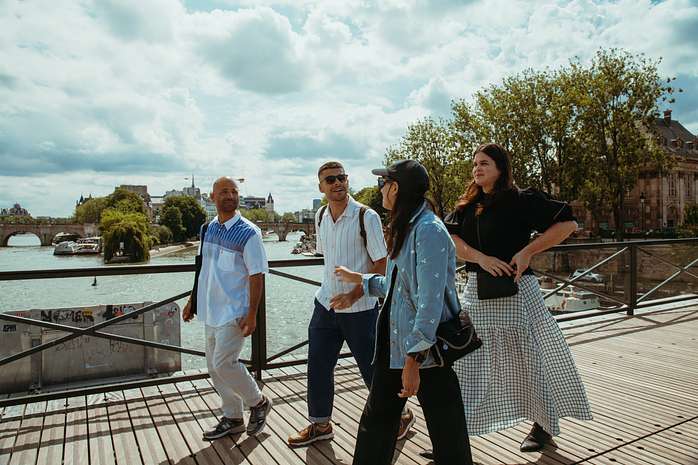
From the cathedral, our focus widens. Crossing toward the Left Bank, we step into the broader medieval city that shaped Gothic innovation. On most days, this means entering the Musée de Cluny, where fragments of churches, stained glass, sculpture, and liturgical objects ground the cathedral’s grandeur in lived experience. A room devoted to the recovered kings from Notre Dame’s original façade invites especially close looking: toppled during the Revolution, buried, and rediscovered centuries later, they remind us how architecture can be venerated, misread, and reclaimed over time.
On days when Cluny is closed, we turn instead to the Conciergerie, the former royal palace that later became a Revolutionary prison. Beneath its soaring Gothic halls, trace how the same architectural language served shifting powers, from Capetian monarchy to the machinery of the Terror. In either setting, the story deepens: Gothic architecture emerges not as isolated beauty, but as the framework for Paris’s political, spiritual, and social life.
Throughout this Notre Dame Tour in Paris, we move with intention, linking island and Left Bank into a coherent arc rather than a checklist of monuments. By the end, Notre Dame is no longer an isolated icon or a headline frozen in 2019. It’s part of a living Gothic city. A city where structure, symbolism, and story still rise together in stone and light.