

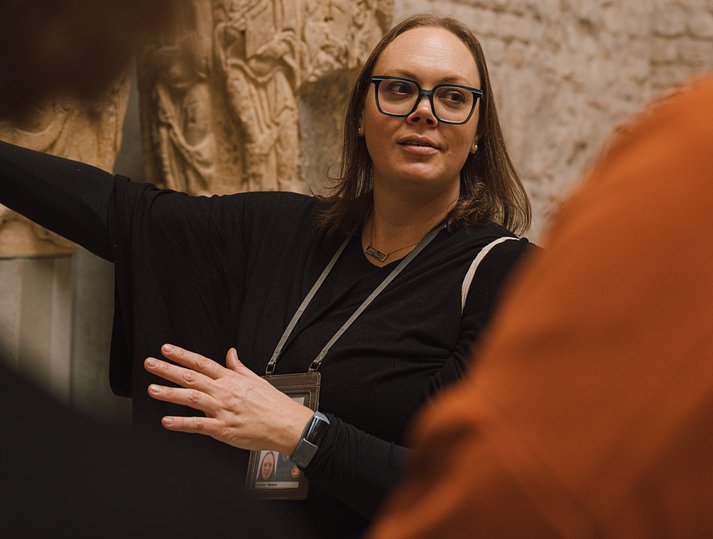
Cecile was a fantastic guide! Amazing tour of Versailles!
Paris Tours
Expert-led Paris walking tours that turn art, ideas, and everyday Parisian life into meaningful discoveries
Let Your Curiosity Shape Your Journey
Join passionate experts on intimate walking tours that reveal a city's unique stories, spark conversations, and leave you seeing the world—and yourself—a little differently.
Experts, not guides
Explore with 1,200+ Experts, from historians and architects to chefs and archaeologists.
Crafted for conversation
With fewer than 12 guests, engage your Expert through questions and immerse fully.
Structured, never scripted
Your interests guide your Expert, leading to stories and perspectives that matter to you.
Curious or connoisseur
First-time visitor or seasoned explorer, our tours span city highlights to deep-dives.
Paris, Seen with Context
Paris isn’t just grand boulevards and famous museums. Walk with an expert to see how revolutions, artists, and philosophers shaped the city’s streets and spirit.
Hear from our customers
Great tour. Samuél was amazing and the kids loved it
Tina did a wonderful job taking us through the history and architecture of Notre Dame and the Cluny museum. She provided such an in-depth understanding of everything, we could have listened to her for hours more.
Paris Private Tours
Paris rewards curiosity. But with so many iconic sites, and just as many ways to experience them, the question isn’t what to see. It’s how to see it well.
Here’s how to choose the right experience, based on what you want to understand, not just check off a list.
Best Paris Tours by Interest
Best for First-Time Visitors
If it’s your first time in Paris, the goal isn’t to rush between landmarks; it’s to build a mental map of the city. Start with these tours to get a good lay of the land:
Our Paris City Guide is a great resource for first-time visitors.
Best for Art Lovers
Paris’s museums can overwhelm without context. The right tour transforms them into coherent stories of artistic change.
Best for Food & Wine Travelers
Food in Paris isn't just cuisine, it's identity, ritual, and evolution. Experience it right with local food writers & chefs!
- Baguette to Bistro: Signature Paris Food Tour
- Paris Food Tour: Pastries and Chocolate
- Private Paris Wine Tasting Experience
Best for History & Big Ideas
Paris isn't just beautiful, it's politically and intellectually charged. Understand the forces that shaped modern Paris with a local historian guiding the way.
Best for Architecture Enthusiasts
Best for Neighborhood Exploration
See how Parisians actually live and have lived. Beyond monuments, Paris reveals itself through its neighborhoods.
Best for Day Trips from Paris
Step outside the city and expand the story. Some of France’s most important sites sit just beyond Paris.
Best for Families & Teens
Designed to engage, not just inform. Traveling with kids requires a different rhythm and a different approach to storytelling.
- Paris Highlights Tour for Kids
- Notre-Dame and Gothic Paris Tour for Kids
- Louvre Tour for Kids
- Paris History Tour for Teens
Best for Flexible, Self-Guided Exploration
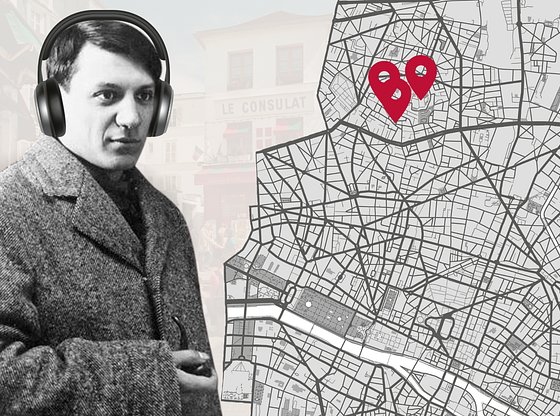
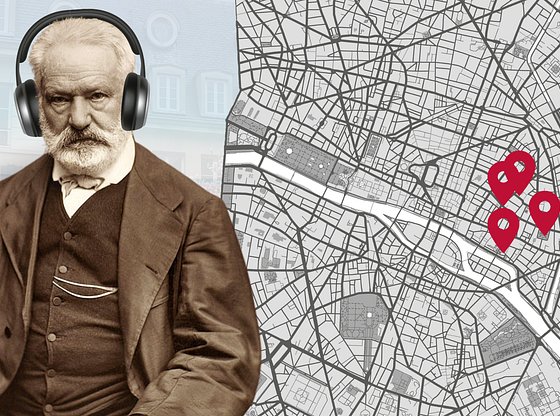
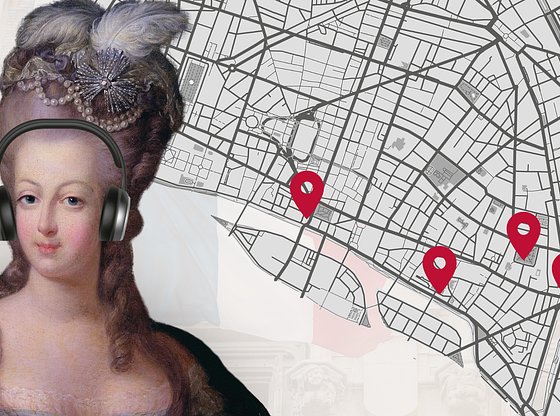
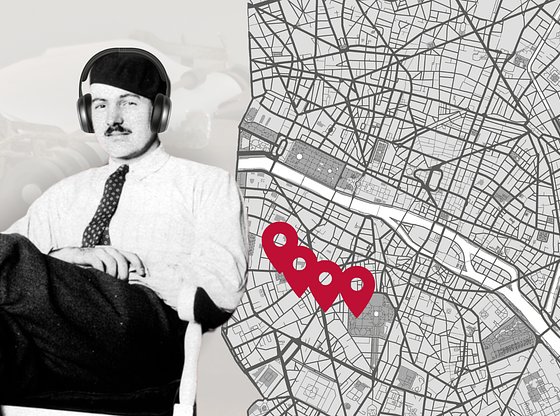
Go at your own pace with expert insight in your ear. If you prefer flexibility, audio guides offer depth without structure.
Paris sits along the Seine River in northern France, where its position as a political, intellectual, and artistic center has shaped European history for centuries. From medieval royal power to Enlightenment philosophy and revolutionary politics, the city has long served as a stage for ideas that reshaped France and the wider world. Monumental boulevards, Gothic cathedrals, and grand museums reveal layers of urban planning and cultural ambition built over time.
Today, Paris remains one of the world’s great cultural capitals, known for its museums, architecture, cuisine, and neighborhood life. Districts like the Latin Quarter, Le Marais, and Saint-Germain reflect centuries of intellectual exchange and artistic experimentation. Context Travel’s Paris private and small group tours are led by historians, art historians, and cultural experts who help travelers understand how the city’s past continues to shape its present.
Paris is known for its artistic heritage, architectural landmarks, intellectual history, and culinary traditions.
Art and Museums
Paris is home to some of the world’s most important museums, including the Louvre and Musée d’Orsay, which trace the development of European art across centuries.
Architecture and Urban Design
From Gothic landmarks like Notre-Dame to the grand boulevards of Haussmann’s 19th-century redesign, Paris reflects evolving ideas about architecture, power, and civic life.
The Enlightenment and Intellectual Life
Philosophers, writers, and political thinkers helped shape modern ideas about democracy, citizenship, and culture in the cafés and institutions of Paris.
Cuisine and Culinary Culture
French gastronomy developed in Paris through markets, cafés, bakeries, and restaurants that continue to influence food culture worldwide.
Revolution and Political Change
Major events such as the French Revolution and later social movements transformed Paris into a symbol of political change and civic debate.
For many travelers, it comes down to what kind of experience you’re looking for.
Context Travel’s tours are designed for depth and clarity, led by historians, art experts, chefs, and local experts who help you understand not just what you’re seeing, but why it matters. That level of expertise and small group size of 6-10 travelers max means a more thoughtful, conversation-driven experience than traditional tours.
We also offer a range of ways to explore depending on your travel style. Audio guides for independent travelers start under $20, small group tours for like-minded travelers begin around $92 per person, and private tours typically start around $300 for a more personalized experience.
If you’re looking to go beyond the surface and make sense of a place like Paris in a meaningful way, many travelers find our Paris private tours worth every penny.
Paris appeals to travelers interested in art, history, architecture, and culinary culture. First-time visitors often begin with guided introductions that explain the city’s landmarks and historic districts. Lifelong learners explore Paris’s museums and intellectual history in greater depth, while repeat visitors enjoy discovering neighborhood culture, food traditions, and lesser-known stories that reveal the rhythms of everyday life in the French capital.
Paris is highly walkable, particularly in the historic districts along the Seine. Many major landmarks, museums, and neighborhoods are located within a compact central area that is ideal for private walking tours.
Most travelers spend three to four days in Paris, allowing time to explore museums, historic neighborhoods, and nearby day trips such as Versailles.
French is the official language, though English is widely spoken in tourism areas. France uses the euro (€) as its currency.
Spring and fall are often considered the best times to visit Paris due to mild weather and smaller crowds, though the city welcomes visitors year-round.
How many days do you need in Paris?
Most travelers find that 3 to 5 days allow enough time to experience Paris’s major museums, neighborhoods, and food culture without rushing. With more time, travelers can explore lesser-known districts or take day trips beyond the city.
Are guided tours in Paris worth it?
Often, though not for everything. Paris rewards independent wandering more than most cities, and the Eiffel Tower needs no interpreter. A guide earns their place where the meaning isn't visible from the street: the scale and sequencing of the Louvre, the layers beneath Notre-Dame, the politics written into Haussmann's boulevards. The question is whether you want to see a place or understand it.
Is Paris a walkable city?
Very much so. Many of Paris’s historic neighborhoods, such as the Latin Quarter, Le Marais, Saint-Germain-des-Prés, and Montmartre, are best explored on foot. Walking allows you to notice details often missed when traveling by car or metro.
What is the best way to see Paris for the first time?
For first-time visitors, a guided Paris highlights tour is an excellent starting point. It provides historical grounding, helps with navigation, and offers context that makes museums, neighborhoods, and landmarks more meaningful throughout the rest of the trip.
What is the best tour in Paris?
There isn't a single one, and any company claiming otherwise is selling rather than advising. For a first visit, a guided overview that establishes geography and chronology gives everything afterward something to attach to. Returning travelers usually do better going deep on one subject — a single museum, one neighborhood, a particular period. Three filters narrow it quickly: group size, what the guide actually knows, and whether the itinerary is fixed or shaped around you.
Are private tours better than group tours?
Private tours offer greater flexibility, deeper conversation, and the ability to tailor the experience to your interests and pace. Small-group tours, when thoughtfully designed, can also provide an intimate experience while allowing for shared discussion and perspective.
Is Paris good for families?
Yes. Paris offers museums, gardens, neighborhoods, and food experiences that can be adapted for children. Family-focused walking tours help younger travelers engage with history and art through stories, observation, and interactive discussion rather than lectures.
Do I need skip-the-line tickets in Paris?
For popular sites like the Louvre, the Eiffel Tower, and Sainte-Chapelle, advance tickets are strongly recommended—especially during peak seasons. Guided tours often include timed entry, helping reduce waiting and streamline the visit.
What are the do's and don'ts in Paris?
The ones that matter are social rather than logistical. Say "bonjour" before anything else when entering a shop or approaching staff — skipping it reads as rude in a way most visitors never realize. Don't expect to be seated quickly, or rushed out of a café; once the table is yours, it stays yours. And attempt French, however badly. The effort registers more than the accuracy does.
What is Paris known for culturally?
Paris is known for its role in shaping art, philosophy, political thought, architecture, and cuisine. From medieval universities to Enlightenment salons, revolutionary movements, and modern cultural institutions, the city has long influenced how culture and ideas circulate globally.
Is Paris safe for travelers?
Paris is generally safe, particularly in central neighborhoods where most visitors spend time. Like any major city, travelers should remain aware of their surroundings, especially in crowded areas. Guided tours can also help visitors navigate confidently and respectfully.
What language is spoken in Paris, and will I need to know French?
French is the primary language spoken in Paris. While many people in tourism-related settings speak English, learning a few basic French phrases is appreciated and can enhance everyday interactions.
What is the best time of year to visit Paris?
Spring (April–June) and fall (September–October) are often considered the best times to visit, offering mild weather and fewer crowds than peak summer. Winter brings quieter streets and museum-focused travel, while summer offers long days but heavier crowds.
Where should you stay in Paris?
Many travelers stay in central districts such as the Marais, Saint-Germain-des-Prés, or the Latin Quarter for easy access to major sights.