Very knowledgeable and friendly guide, she adapted to our interests and the weather.
Tokyo Highlights Tour: Nihonbashi & Edo Gardens
Understand the development of Tokyo from a village to a megacity
Make Tokyo click from the start, tracing Edo roots, palace grounds, and Nihonbashi with a local expert who helps the city make sense.
Tour Highlights
- Frame Tokyo at the start Understand the city’s layers early, so the rest of your trip feels clearer and more alive.
- Orient your whole trip Use three hours to replace aimless wandering with a smart mental map of Tokyo’s core.
- Decode Edo to today Trace how a mercantile center became the capital and today’s layered metropolis.
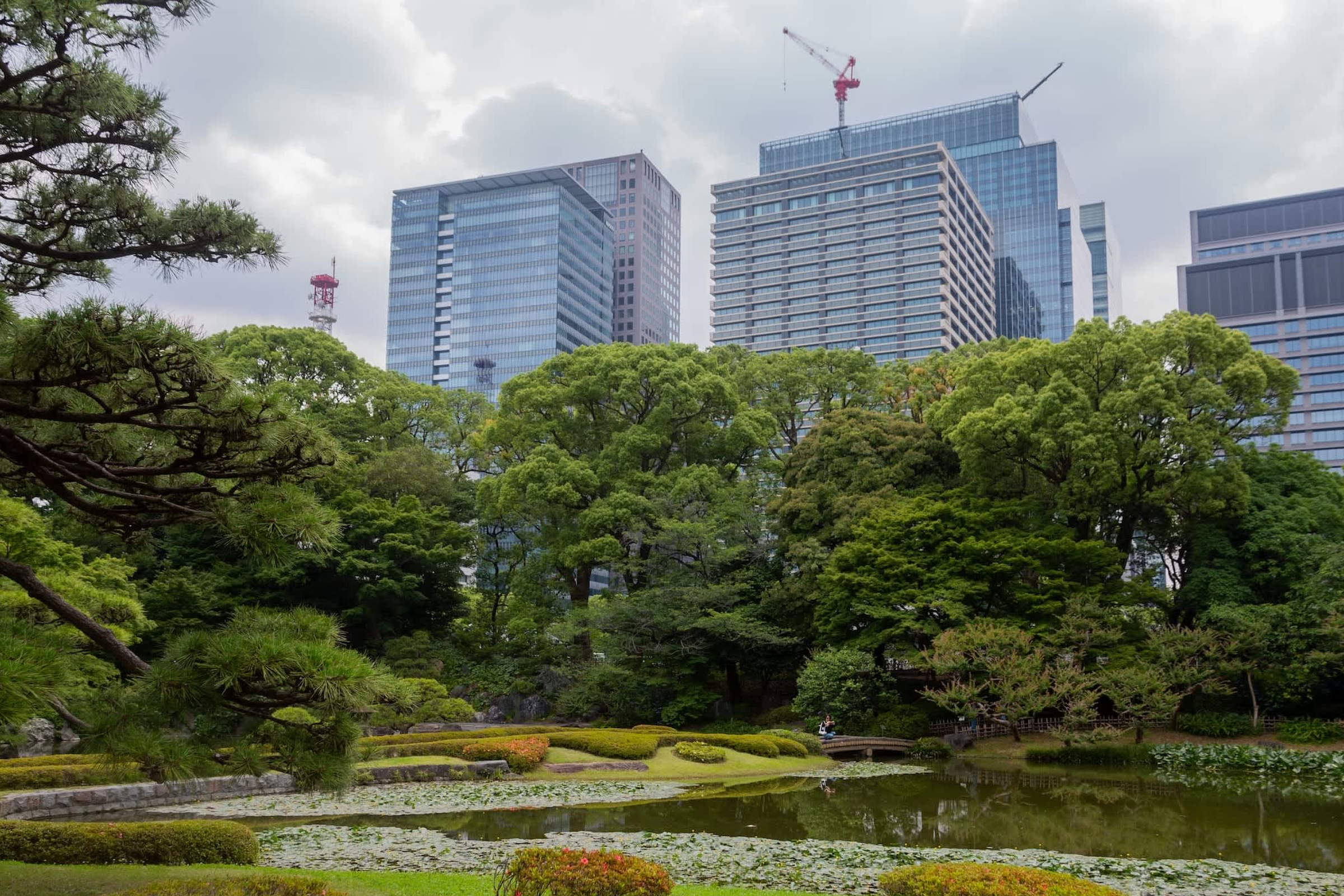
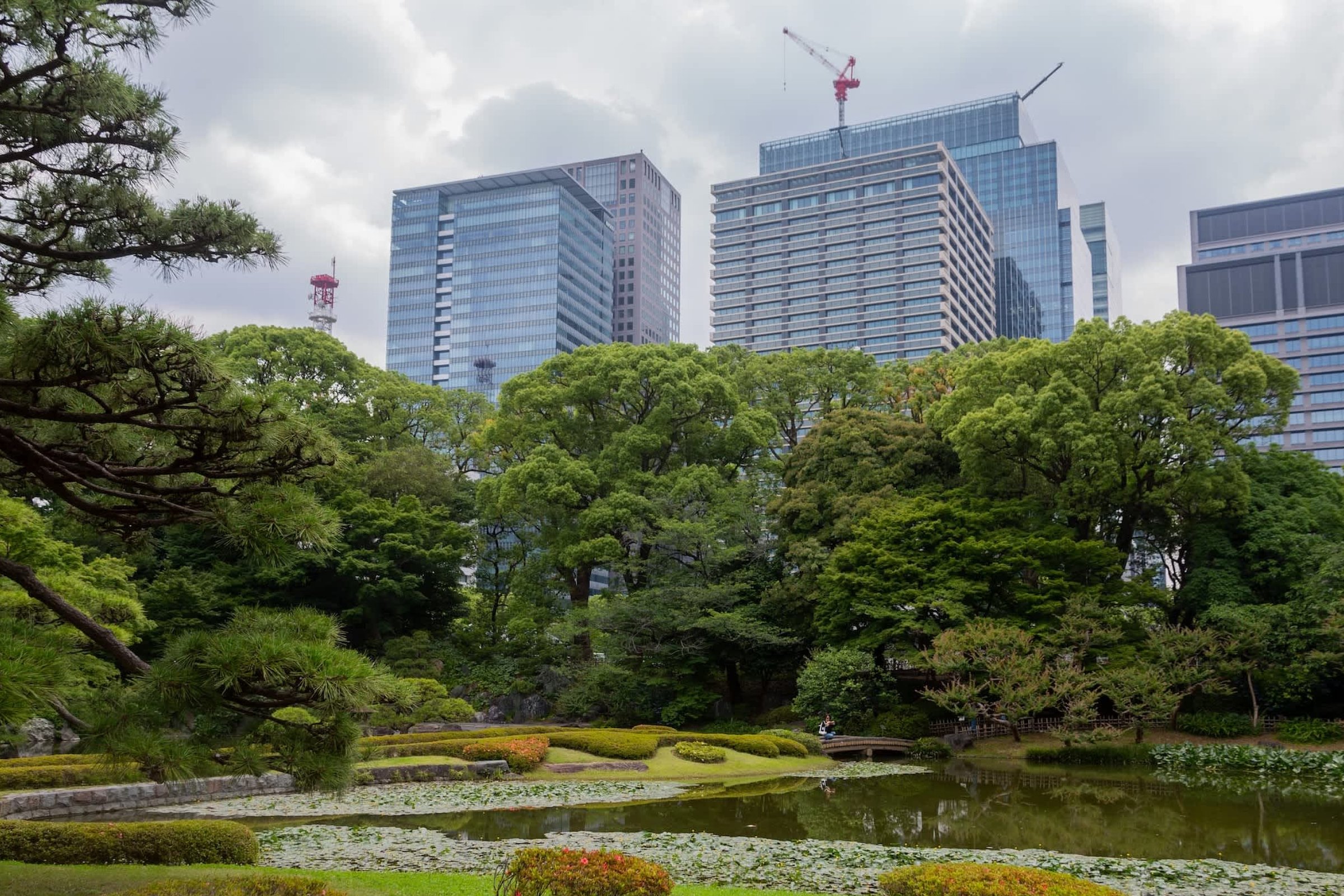
- View Imperial Palace Gardens Stand on former Edo Castle grounds and see how they still anchor modern Tokyo.
- Ask a local, not a book Shape the walk around your questions, interests, and first impressions of the city.
- See commerce shape the city Connect bridges, banks, and shops to the trade systems that built modern Tokyo’s pulse.
Led by Experts, Shaped by You
Explore with an expert guide who responds to your questions, your interests, and your pace. Reveal layers of meaning most visitors miss—go from seeing to understanding.
The Finer Details
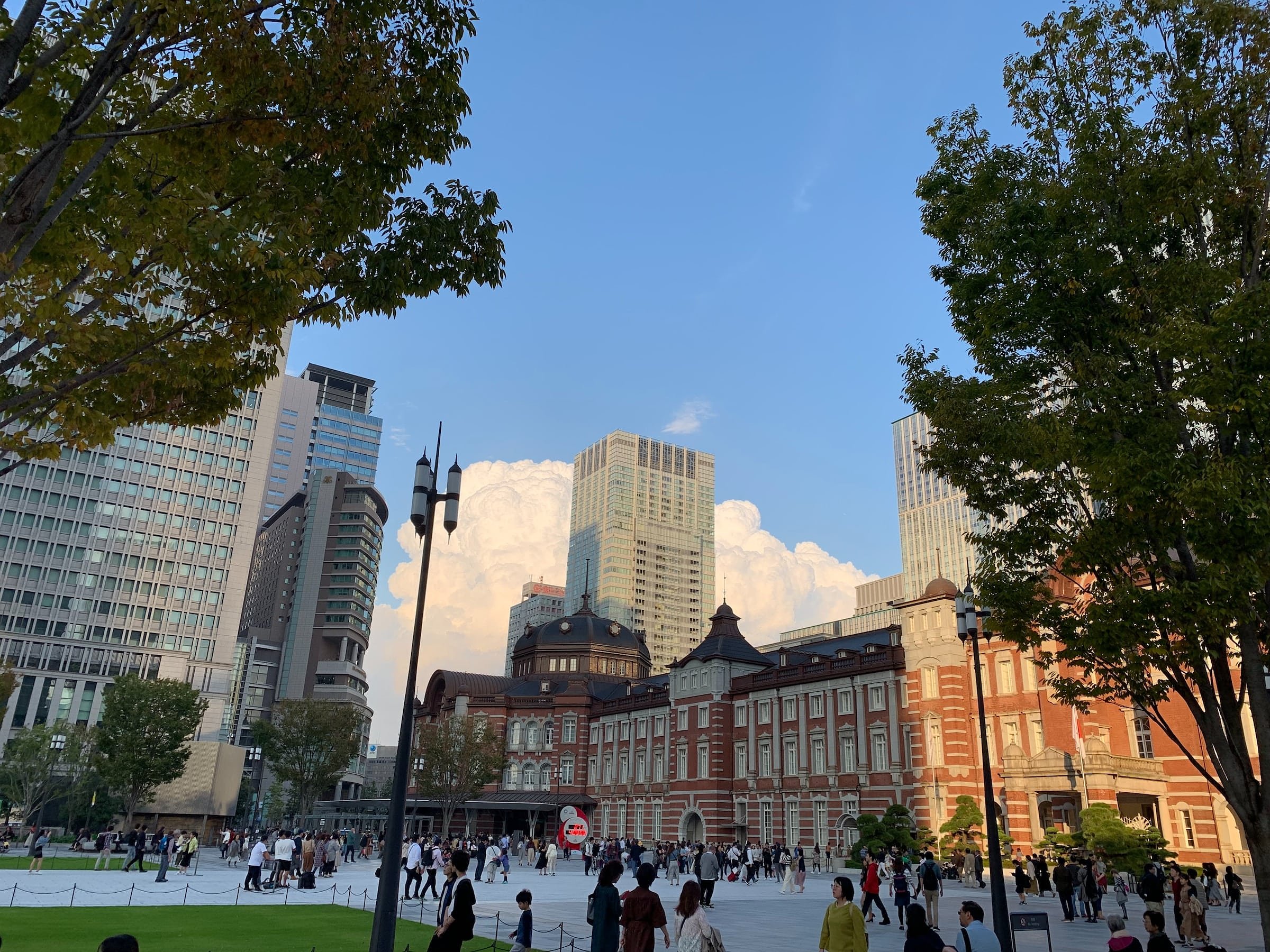
Tokyo can feel like a city with no obvious front door. Where do you even begin? This introductory walk gives that first day a frame, turning scale and fast impressions into usable clues. The route is entirely outdoors, moving through Nihonbashi and the nearby Imperial Palace Gardens to give color to the rise of modern Tokyo.
Tokyo Station sets the tone through movement, brick, glass, and the hum of a city always in motion. With your Context Expert, peel back the district’s layers to see how Edo grew from village into mercantile center, imperial capital, and modern metropolis. The station becomes more than a meeting point; it becomes a compass for what comes next.
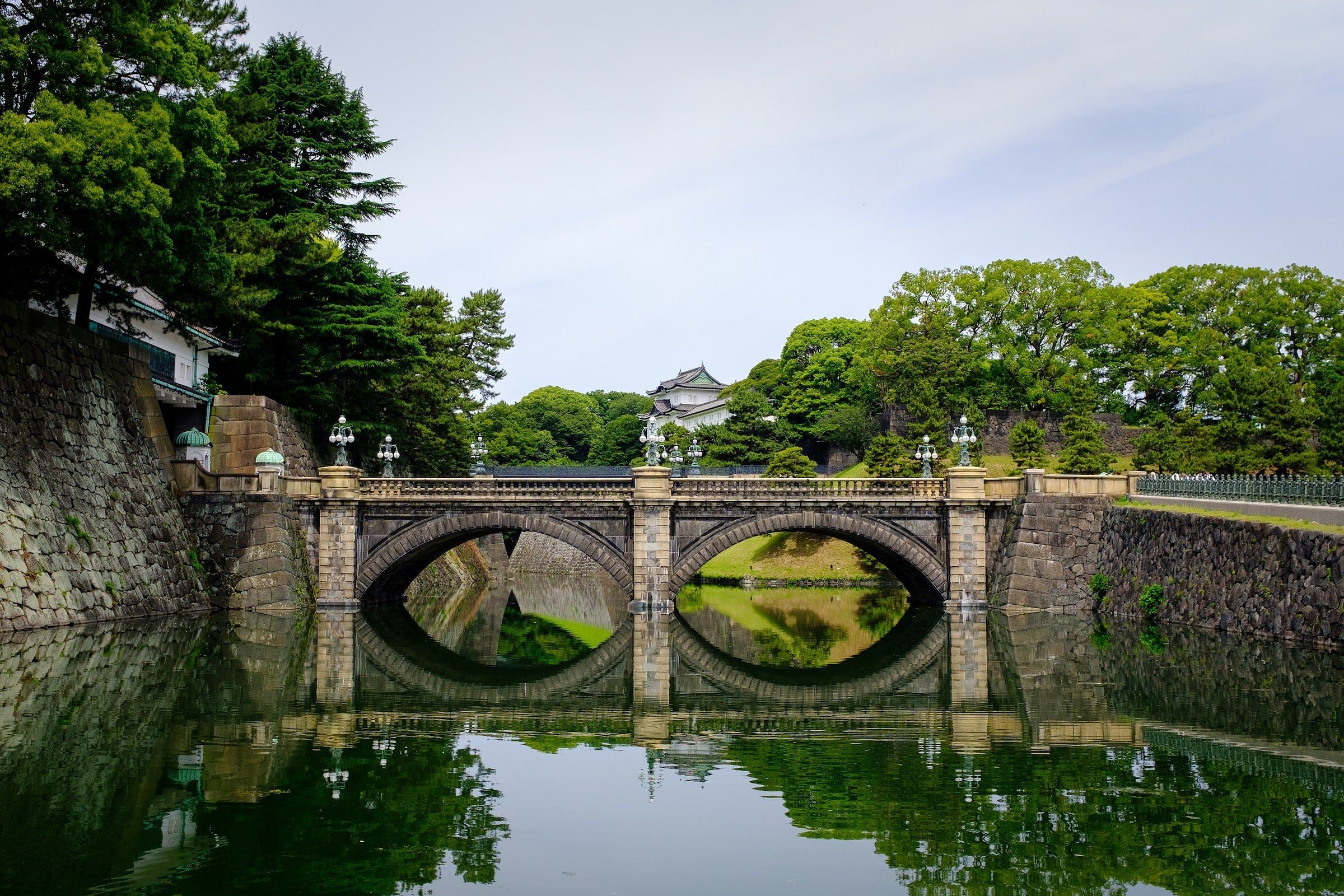
The walk then draws toward the Imperial Palace Gardens, set around the former site of Edo Castle’s circles of defense. Here, the story of Japan’s capital relocation from Kyoto to Tokyo gives the city’s geography sharper meaning. On days when the East Gardens are closed, such as Mondays, Fridays, or national holidays, the route uses the Imperial Palace Outer Gardens instead. Gravel paths, stone walls, and quiet edges reveal power without needing a palace interior.
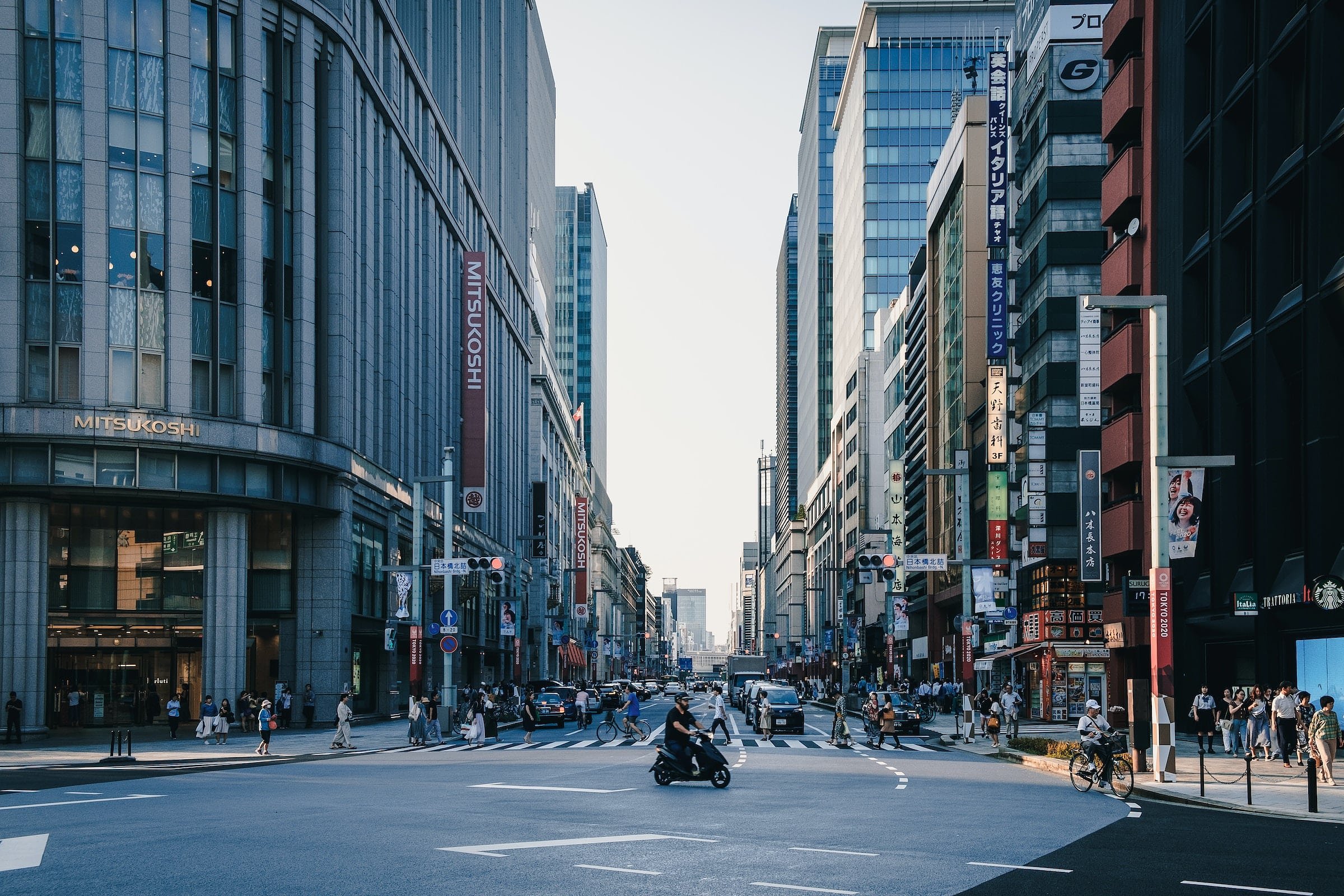
The next phase flexes around your interests. Some walks angle toward Ginza, Tokyo’s premier shopping district, while others head straight into Nihonbashi for the Tokyo Stock Exchange or the Bank of Japan’s Currency Museum. Discuss how, through these sites, trade impacted the city. How did commerce turn a settlement into a capital?
Nihonbashi Bridge, a modern reconstruction of a 17th-century bridge, opens a conversation about Edo-Kyoto trade and Tokyo’s changing relationship with rivers, routes, and movement. Nearby, Nihonbashi Mitsukoshi adds another thread of history, tracing Japan’s oldest department store back to the 17th century. Old commerce, modern retail, and civic memory sit close enough to compare in real time.
By the end, Tokyo feels less like a maze and more like a set of connections. Part ways with your Expert with a clearer grasp of how the city came to be, plus practical bearings for the days ahead. The Tokyo city tour is an introduction, but it is also a trusted local briefing for the rest of your trip.
Meet the Experts




















Where You’ll Go
From iconic landmarks to tucked-away local favorites, these are the places you’ll explore and experience firsthand with your Expert.
-
Imperial Palace Gardens
-
Tokyo Station
-
Nihonbashi Bridge
-
Nihonbashi Mitsukoshi
What’s Included As Standard
Here’s a look at what your tour covers, plus anything you’ll want to consider arranging separately, so you can plan with confidence.
Included
-
English-speaking expert guideTours led in English, offering you unbroken understanding throughout.
-
Intentionally sized groupsA smaller group means more time for conversations and questions.
Not Included
-
GratuitiesTips aren’t included, but we encourage tipping as a way to thank your guide after your experience.
-
Food and drinkFood and drink are not included, but your expert can provide recommendations for after the tour.
-
Transportation to and from the meeting pointTransportation is not included. Pre- and/or post-transit can be added to some tours by request.
-
Hotel pickup or drop-offTravel to or from accommodation isn’t included; however, this service can be added by request.
Where You'll Explore
Make the Most of Your Tour
Some helpful advice for getting the most from your experience, from practical prep to small on-the-day tips.
Dos:
- Wear comfortable footwear
- Check the weather and dress appropriately
- Bring a bottle of water (no glass)
- Feel free to ask your Expert anything
Don'ts:
- Bring firearms or weapons
- Bring sharp objects (e.g. knives, swiss army knives, switchblades, hiking sticks)
- Dress inappropriately to enter religious sites or sacred monuments
Any questions? You can always
contact us.
Frequently Asked Questions
This walk usually covers at least 3 miles overall at a moderate pace. There are occasional opportunities to sit, use the bathroom, and get something to drink if needed.
The visit includes only the gardens, without any buildings. Furthermore, the gardens are generally closed twice a week, so the guide reserves the freedom to replace this stop with another venue or point of interest.
Context clients generally tip anywhere from 10-25% of the purchase price of a personal service such as this, depending on the quality of the experience and their tipping habits.
Book with confidence — see Context's flexible cancellation policy here.
Wheelchair accessibility
- The Imperial Palace Gardens are partially wheelchair accessible - some paths are a little steep and some are covered in gravel, but most are usable.
Don’t just take our word for it
Rafael was a 10/10. We booked this tour as our first morning in Japan and I would suggest to do the same. Rafael gave us a wonderful brief history leading into the culture and traditions of Japan but then related them to modern society. Although it was a hot day, he was able to pace us according and stop for water breaks. He accompanied us to the train station to get our tickets for the remainder of the trip and even showed us an overview of how to use the metro which set us off on a perfect trip. He followed up with local restaurant recommendations and neighborhood stops and he was right on with everyone we tried. We didn't get to all them but hope to on a return visit. Thank you!
It was a fantastic tour. No issues! Everything was perfect. Highly recommend Susan.
Let Your Curiosity Shape Your Journey
Join passionate experts on intimate walking tours that reveal a city’s unique stories, spark conversations, and leave you seeing the world—and yourself—a little differently.
Structured, never scripted
Your interests guide your Expert, leading to stories and perspectives that matter to you.
Crafted for conversation
With 12 or fewer guests, ask questions, engage with your Expert, and fully immerse yourself.
Experts, not guides
Explore with 1,200+ Experts—from historians and architects to archaeologists and chefs.
Related experiences our customers also loved

Tokyo City Tour
Tokyo can be difficult to understand from landmarks alone. On this Tokyo city tour, explore the historic center with a Context Expert and build a framework for how Edo became one of the world’s largest modern cities. The entirely outdoor route connects Tokyo Station, the Imperial Palace Gardens, Nihonbashi, and, depending on your interests, areas such as Ginza or institutions tied to modern commerce. Rather than trying to summarize the entire city in a few hours, the tour concentrates on the places that help explain its transformation. Tokyo Station introduces a city shaped by movement, rebuilding, and modernization. The grounds of the former Edo Castle reveal how political power reorganized the geography of Japan. Nihonbashi shows how merchants, roads, waterways, finance, and retail helped turn Edo into an economic center long before it became Tokyo. Together, these places provide more than a list of highlights. They give you bearings—historical and practical—that make the rest of the city easier to explore.
Tokyo's story begins long before the name Tokyo existed.
For much of the early modern period, the city was Edo, the political headquarters of the Tokugawa shogunate. Edo Castle stood at the center of a carefully organized urban landscape surrounded by defensive moats, samurai districts, merchant neighborhoods, roads, and waterways.
The tour approaches today's Imperial Palace Gardens through that earlier geography.
Stone walls, gates, moats, and open spaces preserve traces of the castle complex that once dominated the city. Your Expert explains how the Tokugawa government used the site, how Edo grew around it, and what changed after the Meiji Restoration when the imperial capital moved from Kyoto to Tokyo.
On days when the East Gardens are closed, including scheduled closure days and some holidays, the route uses the Imperial Palace Outer Gardens instead.
At Tokyo Station, early twentieth-century brick architecture, rail infrastructure, and the surrounding Marunouchi district offer another way to understand the transformation. The city that once organized itself around the shogun's castle increasingly connected itself through railways, government institutions, finance, and modern industry.
The contrast between palace grounds and station makes Tokyo's evolution visible within a relatively small area.
Political power explains only part of Tokyo's growth. Commerce explains much of the rest.
Nihonbashi developed into one of Edo's most important merchant districts. Its bridge marked the starting point for Japan's major highways, connecting the city with Kyoto and regions throughout the country.
The bridge standing today is a later reconstruction, but its location still opens a conversation about transportation, trade, waterways, and the systems that supplied an enormous urban population.
Nearby businesses preserve another strand of that commercial history.
Nihonbashi Mitsukoshi traces its origins to the seventeenth-century Echigoya textile shop and helps connect Edo-period merchant culture with the development of the modern Japanese department store.
Depending on the route and your interests, the conversation may continue toward the Tokyo Stock Exchange, the Bank of Japan's Currency Museum, or Ginza, allowing the story to move from early commerce into finance, consumer culture, and modern retail.
These places reveal an important side of Tokyo that can disappear behind temples and neon: the city became powerful not only because rulers governed from here, but because goods, money, information, and people constantly moved through it.
This experience is designed to function as both a history tour and an orientation to the city.
Tokyo's scale means that first-time visitors can spend several days moving between neighborhoods without understanding how the pieces relate to one another. Beginning in the historic center provides a useful reference point for what comes later.
Your Expert can explain why the Imperial Palace occupies the middle of contemporary Tokyo, how Edo-era roads still influence the city, why major commercial districts developed where they did, and how railways reorganized urban life.
The route can also respond to your interests. A traveler curious about economic history might spend more time in Nihonbashi. Someone interested in architecture and modernization may focus on Tokyo Station and Marunouchi. Others may want to use the walk to understand the relationship between political Tokyo and commercial Ginza.
This flexibility is particularly useful on a first day. Alongside the historical discussion, your Expert can help make the city more legible: how neighborhoods relate geographically, what deserves more time later, and how to approach the rest of your stay.
For travelers looking for a comprehensive full-day survey of multiple distant neighborhoods, our Tokyo In a Day Tour may be a better fit. This tour instead offers a focused introduction to the historical foundations beneath modern Tokyo.
What will I see on the Tokyo city tour?
The route typically includes Tokyo Station, the Imperial Palace Gardens or Outer Gardens, Nihonbashi, and nearby historical and commercial areas. Depending on your interests and timing, the tour may also include Ginza, the Tokyo Stock Exchange area, or the Bank of Japan Currency Museum.
Is this a good Tokyo tour for first-time visitors?
Yes. The experience is specifically designed to give first-time visitors a historical and geographic framework for Tokyo that makes other neighborhoods and attractions easier to understand later in the trip.
Does the tour visit the Imperial Palace?
The tour explores the Imperial Palace grounds rather than the interior palace buildings. When the East Gardens are open, they can form part of the route; on closure days, the tour uses the Imperial Palace Outer Gardens instead.
What is the difference between Edo and Tokyo?
Edo was the name of the city during the Tokugawa shogunate. In 1868, during the Meiji Restoration, the imperial capital moved from Kyoto and Edo was renamed Tokyo, meaning roughly "Eastern Capital."
Why is Nihonbashi important?
Nihonbashi was one of Edo's major commercial districts, and its bridge served as the starting point for Japan's principal highway network. The area remains associated with commerce, banking, department stores, and the economic development of Tokyo.
Is this a Tokyo walking tour?
Yes. The tour takes place entirely on foot and outdoors, moving through the historic center around Tokyo Station, the Imperial Palace, and Nihonbashi.
Is this a private Tokyo city tour?
The experience is available privately, allowing the discussion and route to respond to your group's interests.
How is this different from a full-day Tokyo tour?
This tour does not attempt to cover Tokyo's many distant neighborhoods in one day. It focuses on the historic center and the development of the city from Edo into modern Tokyo, making it particularly useful as an introductory experience.
Are the Imperial Palace East Gardens always open?
No. The East Gardens have scheduled closure days and may also close for holidays or official operations. When they are unavailable, the tour uses the Imperial Palace Outer Gardens so that the history of Edo Castle and imperial Tokyo can still be explored.
Is this tour entirely outdoors?
Yes. The core experience is an outdoor walking tour. Some routes may discuss or pass institutions such as the Tokyo Stock Exchange or Currency Museum, but access depends on the itinerary and operating conditions.