Paris Walking Tours History, art, neighborhood, food, and culture tours led by experts, guided by your curiosity
Paris Tours Our Travelers Love Most
Join expert guides on walking tours that reveal Paris through its art, ideas, and revolutions



Grab Our Free Paris Travel Guide!
Paris: In Context
Traveling to Paris "in Context" means embracing the soul of the city beyond its well-trodden paths. It's about diving into the heart of Paris, where every corner tells a story, every meal is a chapter in a long, flavorful history, and the true essence of the city is not just seen but felt.
At Context Travel, we guide you to the core of Paris, shining a light on hidden histories and local narratives, and connecting you with experiences that make the city eternally memorable. These recommendations are carefully curated by Context experts to bring you closer to the authentic spirit of Paris, celebrating its lesser-known treasures and profound cultural richness.
At Context Travel, we guide you to the core of Paris, shining a light on hidden histories and local narratives, and connecting you with experiences that make the city eternally memorable. These recommendations are carefully curated by Context experts to bring you closer to the authentic spirit of Paris, celebrating its lesser-known treasures and profound cultural richness.
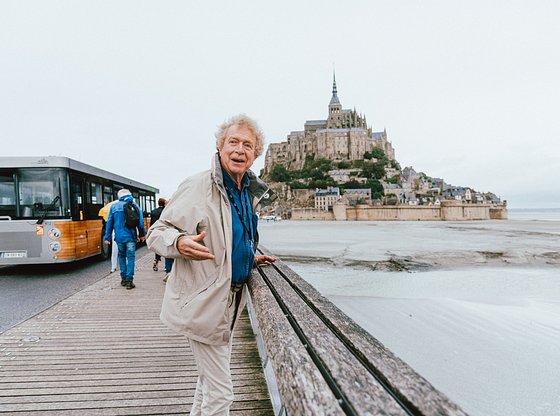
Day Trips from Paris
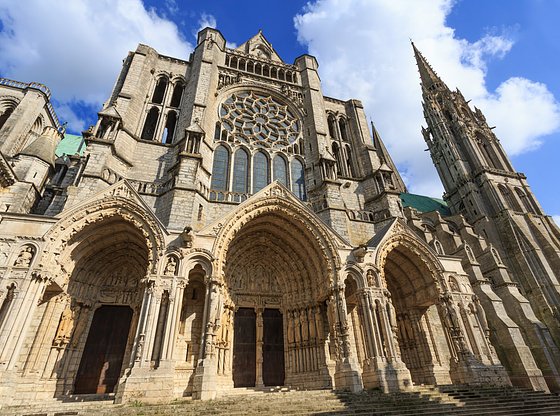
Discover what's outside the city and spend the day exploring these nearby destinations


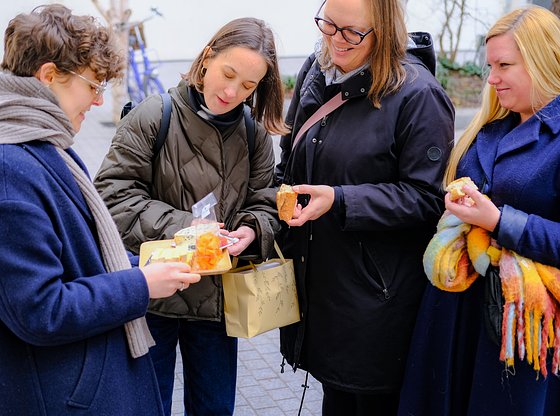
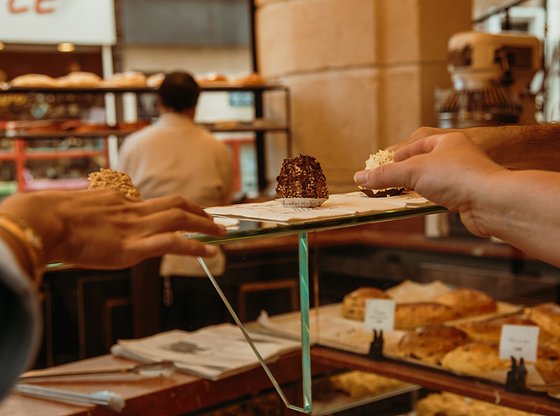
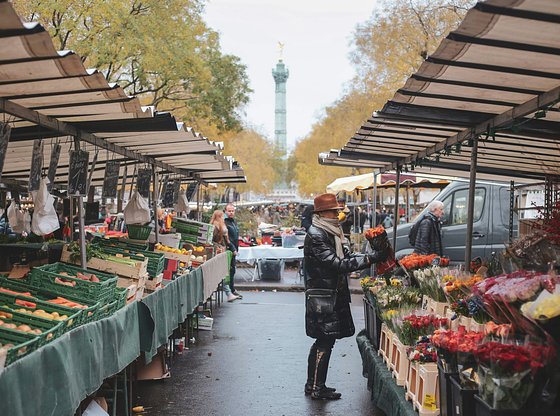
Paris Food Tours

What Our Travelers Are Saying About Paris
–
4,499 Reviews
Reviews can only be left by Context customers after they have completed a tour. For more information about our reviews, please see our FAQ.
Tours for Your First Time in Paris

Paris Walking Tours with Expert Guides
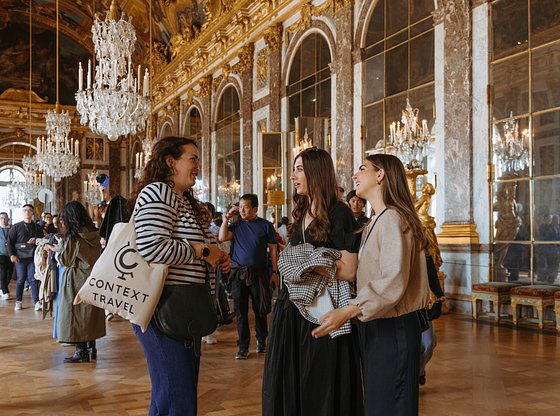
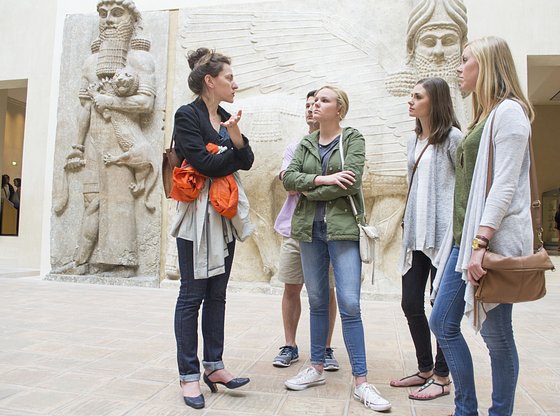
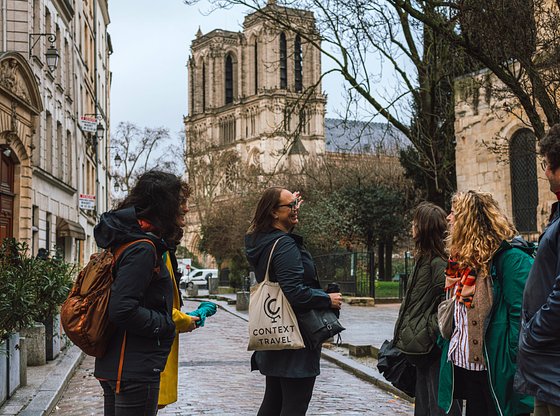
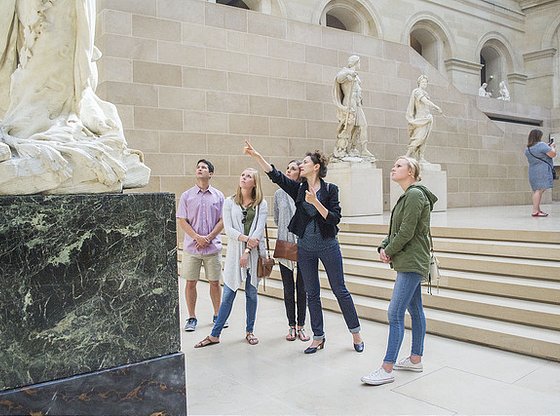
Context Travel’s Paris walking tours are designed for travelers who want to understand the city, not just move through it. Led by local historians, art historians, architects, and cultural experts, our walks explore Paris at street level, where history, art, and daily life intersect. These experiences prioritize context, conversation, and clarity, helping travelers see how Paris became the city it is today.
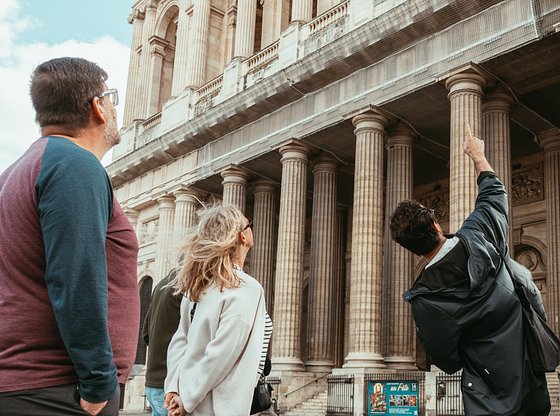
Our Paris guided walking tours are built around expert interpretation and small-group learning. Rather than following a fixed script, our guides respond to questions, adapt pacing, and connect sites to broader historical and cultural themes.All tours are capped at 6-10 guests, creating space for discussion and close observation. This approach supports deeper engagement with Paris’s neighborhoods, monuments, and museums, and reflects Context Travel’s long-standing commitment to scholarly rigor and thoughtful travel.As a Certified B Corporation, Context Travel also emphasizes responsible tourism, working with local experts and designing routes that respect the rhythm of Parisian neighborhoods.
History: From Roman Lutetia and medieval Paris to revolution, empire, and modern republicArt & architecture: Gothic cathedrals, royal palaces, world-class museums, and modern designFood & drink: Markets, cafés, bakeries, and regional French cuisineCultural traditions: Literature, philosophy, fashion, and public intellectual lifeModern relevance: A global capital of art, politics, and cultural influence
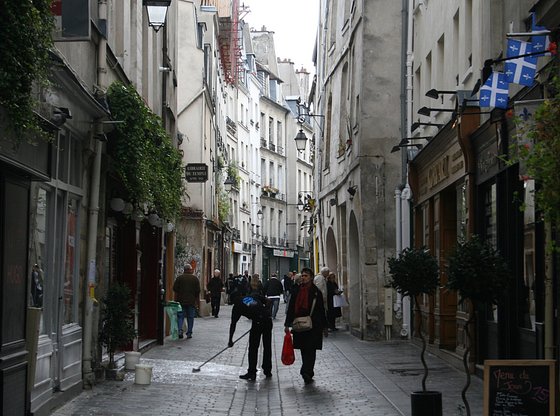
Paris is an ideal walking city, with compact neighborhoods and extensive public transportation. Most travelers spend 3–5 days exploring the city. Walking tours can be paired easily with museum visits and café breaks. French is the primary language, though English is widely spoken in central areas, and the local currency is the euro (EUR).
Walking allows travelers to experience Paris at a human scale, observing details, asking questions, and understanding how places connect. Context Travel’s Paris walking tours are led by experts who bring academic depth and local knowledge to every step. Rather than rushing between highlights, we focus on helping travelers understand Paris as a living city shaped by ideas, people, and history.
Are walking tours in Paris worth it?Yes. Paris is a city best understood on foot. Walking tours allow travelers to connect landmarks, neighborhoods, and historical moments in a way that’s impossible from a bus or car. With an expert guide, streets, buildings, and everyday details become part of a larger cultural and historical story.How much walking is involved on a Paris walking tour?Most Paris walking tours involve moderate walking over 2.5 to 4 hours, with frequent stops for discussion and observation. Distances vary by tour, but the pace is generally measured and designed to allow time for questions and reflection.Is Paris an easy city to walk?Paris is one of Europe’s most walkable cities, with relatively flat terrain and compact neighborhoods. Sidewalks are generally well maintained, though some areas have cobblestones. Guided walking tours help travelers navigate efficiently and avoid unnecessary backtracking.What should I wear on a walking tour in Paris?Comfortable walking shoes are essential. Dress for the weather and consider layers, as Paris weather can change quickly. If your tour includes churches or religious sites, modest attire covering shoulders and knees is recommended.Are Paris walking tours suitable for older travelers?Many older travelers enjoy Paris walking tours, especially when the pace is thoughtful and includes regular pauses. Travelers with mobility concerns may prefer private tours, which allow for route adjustments, additional breaks, or a slower pace.Do Paris walking tours include museum visits?Some walking tours focus entirely on outdoor exploration, while others include museum or monument entry, such as the Louvre or Musée d’Orsay. Tour descriptions clearly indicate whether admission tickets or skip-the-line access are included.Are walking tours in Paris good for first-time visitors?Absolutely. Walking tours are an excellent way to get oriented in Paris, understand how neighborhoods connect, and gain historical context before exploring independently. Many travelers choose a walking tour early in their trip for this reason.Can I take a walking tour in Paris with children?Yes. Paris walking tours can be engaging for families, especially when guides adapt their storytelling and pacing. Context Travel also offers dedicated family and kid-friendly tours designed to keep younger travelers involved and curious.What’s the best time of day for a walking tour in Paris?Morning tours tend to be quieter and cooler, particularly in warmer months. Afternoon tours can offer a livelier atmosphere, while evening walks provide a different perspective as the city transitions from day to night.Are Paris walking tours available year-round?Yes. Paris walking tours operate throughout the year. Spring and fall are especially popular, but winter offers fewer crowds and a more local feel. Tours run rain or shine, with guides adapting routes as needed.