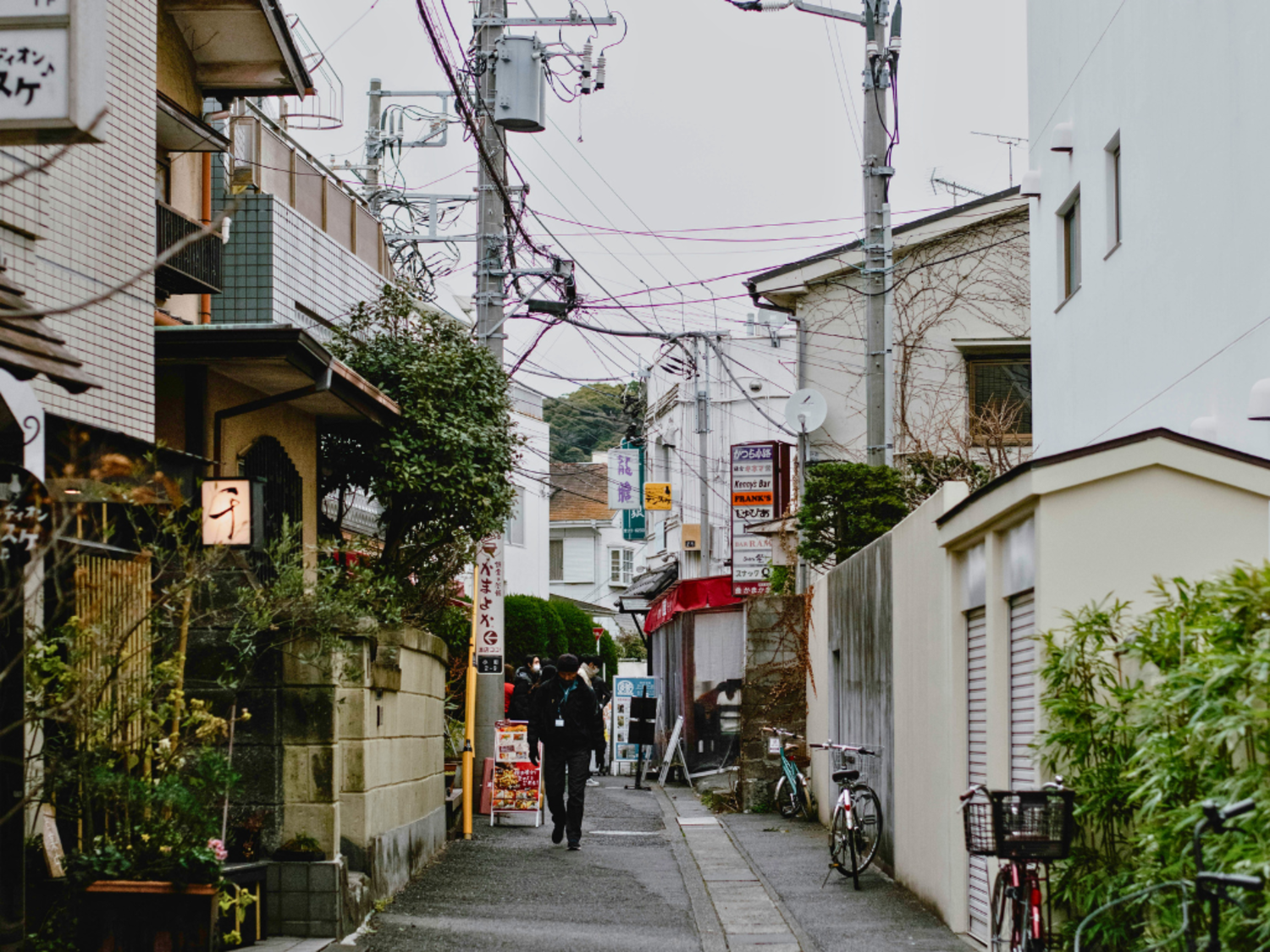
Tokyo is a city of contrasts, where the ultramodern intersects with the deeply traditional. From trendy enclaves to historic havens, each neighborhood offers a unique glimpse into the heart of this sprawling metropolis. Here are some of Tokyo's best neighborhoods to explore, with local insights from our experts to guide you.
Daikanyama: Tokyo’s Stylish Secret
Nestled just south of Shibuya, Daikanyama is a hidden gem for those seeking chic boutiques, artisanal coffee, and a slower pace. Wander through narrow streets lined with designer stores and discover hidden live music venues. Be sure to visit the historic former Asakura Residence, a beautifully preserved Taisho-era mansion with serene gardens that offer a quiet escape.
"Incredibly central but very off radar, Daikanyama is a stylish area with fascinating architecture and surprises around every corner." – Anna, Art Historian
Yanasen: A Step Back in Time
The Yanaka, Nezu, and Sendagi neighborhoods—collectively known as Yanesen—transport you to Edo-period Tokyo. Having escaped the destruction of earthquakes and wars, the area retains its historic charm with narrow streets, artisan studios, and traditional sweet shops. Don’t miss the Nezu Shrine, famed for its torii gate pathway, or the peaceful Yanaka Cemetery.
"Yanasen feels like a hidden time capsule where you can explore a slower, more traditional side of Tokyo." – Anna, Art Historian
Koenji: Tokyo’s Underground Hub
Known for its underground culture and eclectic vibe, Koenji is the place to discover Tokyo’s alternative side. Packed with vintage stores, independent shops, and lively bars, this west-of-Shinjuku neighborhood is a magnet for creatives. Even on rainy days, its covered shopping streets make exploring a delight.
"Koenji has a younger vibe with lots of eclectic shops. It’s constantly changing, making every visit unique." – Jay, Local Guide
Shimokitazawa: A Blend of Old and New
Shimokitazawa, or Shimokita, exudes laid-back charm with its fusion of retro and modern culture. Browse vintage stores, catch a live show, or relax in its growing linear park—a transformation born from a recent urban redevelopment. This ever-evolving district is a favorite for Tokyoites and visitors alike.
"Shimokitazawa is always interesting. The new park brings even more vibrancy to an already eclectic area." – Jay, Local Guide
Komagome: A Quiet Nature Retreat
For a peaceful escape, head north to Komagome. This lesser-known neighborhood is a haven for nature lovers, especially in spring when cherry blossoms bloom. Stroll through the Rikugien Garden, a tranquil landscape perfect for quiet reflection.
"If you enjoy finding hidden gems, Komagome is ideal for a sunny day stroll. Rikugien Garden is a serene escape from the city's hustle." – Jay, Local Guide
Ebisu: Elegance Meets Ease
Just a stone’s throw from bustling Shibuya, Ebisu is a sophisticated neighborhood known for its refined dining and shopping. Visit Yebisu Garden Place for an upscale experience, or enjoy a cold brew at the Museum of Yebisu Beer. Art enthusiasts will appreciate the Tokyo Metropolitan Museum of Photography, located in the heart of the area.
"Ebisu feels more selective than Shibuya—calmer, but still filled with fantastic restaurants and bars." – Rafael, Architect
Kiyosumi Shirakawa: Coffee and Contemporary Art
This charming shitamachi (downtown) district blends traditional aesthetics with a modern twist. Visit Kiyosumi Gardens for classic Japanese beauty, or explore the Museum of Contemporary Art Tokyo for cutting-edge exhibitions. Along the way, enjoy the neighborhood’s many coffee shops and independent bookstores.
"Kiyosumi Shirakawa is home to beautiful gardens and an excellent art museum. It’s a lovely mix of tradition and modernity." – Rafael, Architect
Whether you're seeking Tokyo's trendiest spots or a glimpse of its historical soul, these neighborhoods offer something for everyone. Ready to explore? Dive into the unique rhythms of Tokyo and uncover the layers that make this city truly unforgettable.
Frequently Asked Questions About Tokyo’s Neighborhoods
What’s the best neighborhood to stay in Tokyo?
For a first visit, Shinjuku and Shibuya are the most convenient bases, with major train hubs, late-night dining, and easy connections across the city. For something calmer, Ebisu sits just one stop from Shibuya and has excellent restaurants. If you’d rather wake up surrounded by history, Asakusa puts you steps from Senso-ji, Tokyo’s oldest temple.
Which Tokyo neighborhoods feel most traditional?
Yanesen (Yanaka, Nezu, and Sendagi) is the best-preserved, having largely escaped the 1923 earthquake and the wartime bombing. Asakusa and Kiyosumi-Shirakawa also keep the feel of shitamachi, Tokyo’s old downtown, with small shops, temples, and family-run restaurants.
Is Shimokitazawa worth visiting?
Yes, especially if you love vintage shopping, live music, or small independent theaters. It’s a short train ride from Shibuya or Shinjuku, and it’s at its best from mid-afternoon into the evening, when the shops are open and the bars and venues start to fill.
How do you navigate the metro in Tokyo?
By train. Tokyo’s subway (the Tokyo Metro and Toei lines) and the JR network, including the Yamanote loop line, connect every neighborhood in this guide. A rechargeable IC card such as Suica or Pasmo works across all of them, so you can tap in and out without buying individual tickets. For lines, passes, and transfer tips, see our guide to navigating the Tokyo metro system.
Can you explore more than one neighborhood in a day?
Easily, if you pair neighborhoods that sit close together. Daikanyama and Ebisu are a short walk apart, Yanesen combines naturally with nearby Ueno, and Komagome’s Rikugien Garden is close enough to Yanesen for a half-day of gardens and old streets. Exploring with a Context expert is the best way to see how each area connects to Tokyo’s wider story.
Find More Great Content in Our Blog
Akihabara Japan: A Guide Through the Anime Capital
Shopping in Tokyo: Unique and Authentic Local Shops
Discovering Asakusa: Tokyo's Historic Neighbourhood
Tokyos Subway and Trains: How to Confidently Navigate the Tokyo Metro System