On August 12, daylight will briefly disappear across Iceland and Spain. Here’s how to choose a base, avoid the crowds and turn a minute of darkness into a much richer trip.
There are holidays you plan around a museum opening, a restaurant reservation or a week of reliable beach weather. Then there are holidays dictated by the precise alignment of the Sun, Moon and Earth.
On Wednesday, August 12, 2026, a total solar eclipse will cross Europe for the first time in decades. The Moon’s shadow will move across northern Russia and Greenland before reaching western Iceland, crossing the Atlantic and cutting through northern Spain. A small corner of Portugal will also enter the path of totality, while much of the rest of Europe will experience a partial eclipse.
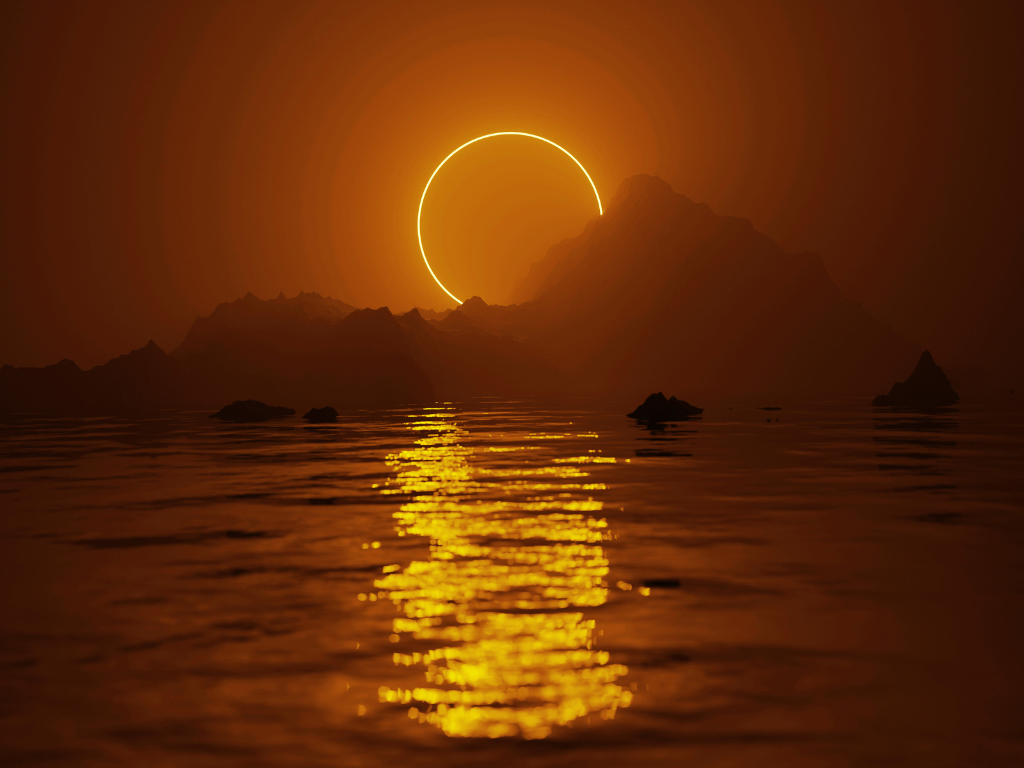
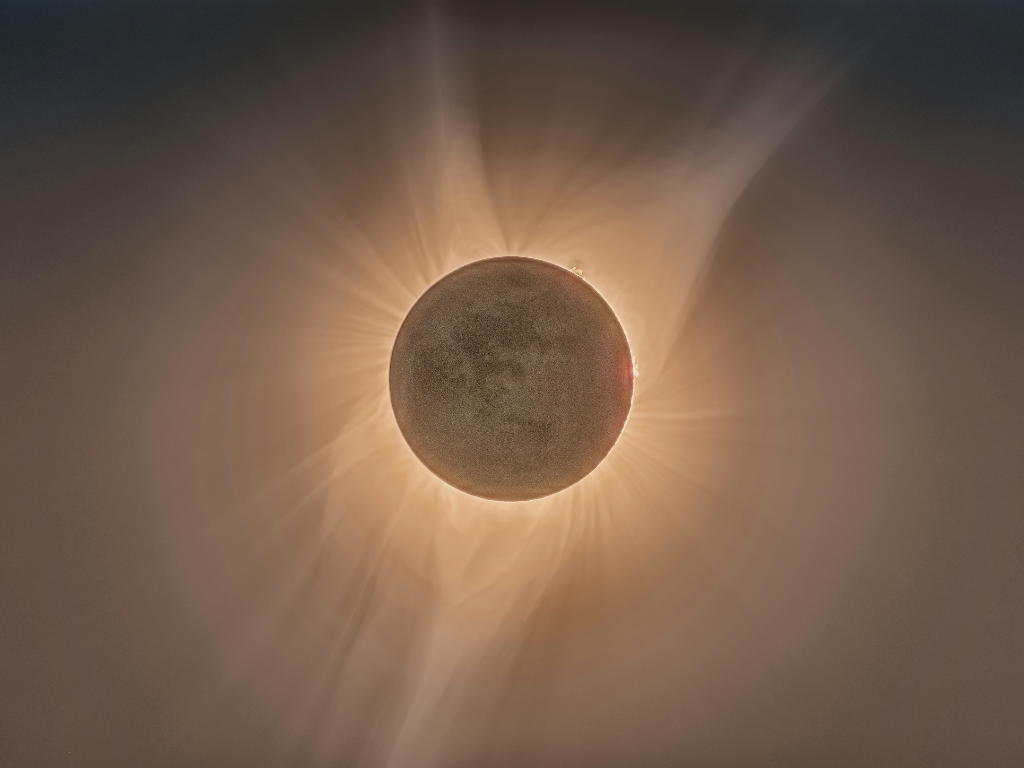
For a few extraordinary moments, daylight will collapse into twilight. The Sun’s corona will appear around the black silhouette of the Moon, planets and brighter stars may become visible, and an otherwise ordinary afternoon will acquire the atmosphere of something considerably stranger. Most populated places along the route will experience less than two minutes of totality; the global maximum, just off Iceland’s western coast, will last around two minutes and 18 seconds.
It is brief. It is weather-dependent. It will involve crowds, contingency plans and some very specific eyewear. It may also be one of the most memorable reasons to travel anywhere this year.
Total Versus Partial Eclipse
Almost all of Europe will see at least some of the eclipse. But only travelers standing inside the narrow path of totality will see the sun disappear completely.
A 99-percent partial eclipse may sound practically identical to totality, but it is an entirely different experience. Even a thin surviving crescent of sunlight keeps the sky relatively bright and hides the corona. To witness the sudden darkness associated with a total eclipse, you must be inside the path—not simply near it.
In Europe, the most practical choices are western Iceland and a broad corridor across northern Spain. Reykjavík, Bilbao, Zaragoza, and Valencia are all within the path. Madrid and Barcelona will see very deep partial eclipses, but not totality.
Iceland: The Dramatic Choice
Iceland is difficult to beat for atmosphere. The eclipse will unfold above lava fields, glacier-capped mountains, fishing villages and Atlantic headlands, with the sun considerably higher in the sky than it will be in Spain.
Reykjavík itself will experience just over one minute of totality at approximately 5:48pm. It will be the first total eclipse visible from the capital since 1433. Farther west, Keflavík will receive roughly one minute and 39 seconds, while locations on the Snæfellsnes Peninsula and in the Westfjords offer longer periods and spectacular natural settings.
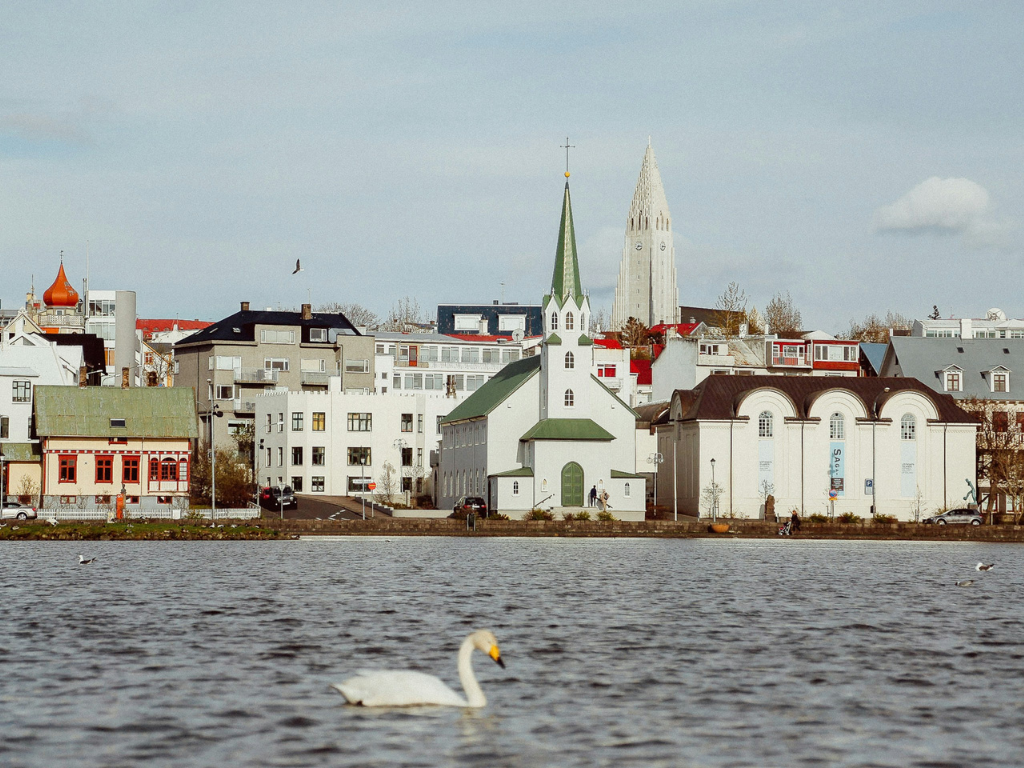
The catch, inevitably, is Icelandic weather. Historical data suggests only around a 25 percent chance of clear or partly clear skies in the path at that time of year, although staying mobile could significantly improve the odds. The eclipse will also be high enough above the southwestern horizon that a break in the clouds may be enough.
This is not the day for an ambitious, last-minute road trip. Iceland’s road network is limited, and popular viewpoints near Reykjavík are expected to become congested before and after totality. Choose a base, identify several realistic viewing locations and travel early. The partial phase begins around 4:47pm in Reykjavík, with the entire event lasting approximately two hours.
Just as importantly, choose an Iceland trip you would value even beneath a stubborn ceiling of cloud. In the days around the eclipse, a Context Snæfellsnes Peninsula Day Trip connects volcanic fields, black-sand beaches and communities along one of the regions touched by the path of totality. A Reykjanes Day Trip brings the island’s geological restlessness into focus through lava tunnels, geothermal landscapes and coastal cliffs. Back in the capital, a Reykjavík Food and History Tour offers an edible introduction to the ingenuity required to cook on a subarctic island, from preservation traditions to geothermal agriculture.
These are not eclipse-viewing tours. They serve another purpose: ensuring that the journey makes sense as more than a race toward a patch of clear sky.
Northern Spain: Better Weather, Trickier Sightlines
Spain offers the most accessible stretch of the European eclipse path and, statistically, more promising weather. The shadow will enter through the northwest before crossing cities and provinces including A Coruña, León, Bilbao, Burgos, Zaragoza, and Valencia, eventually reaching the Balearic Islands.
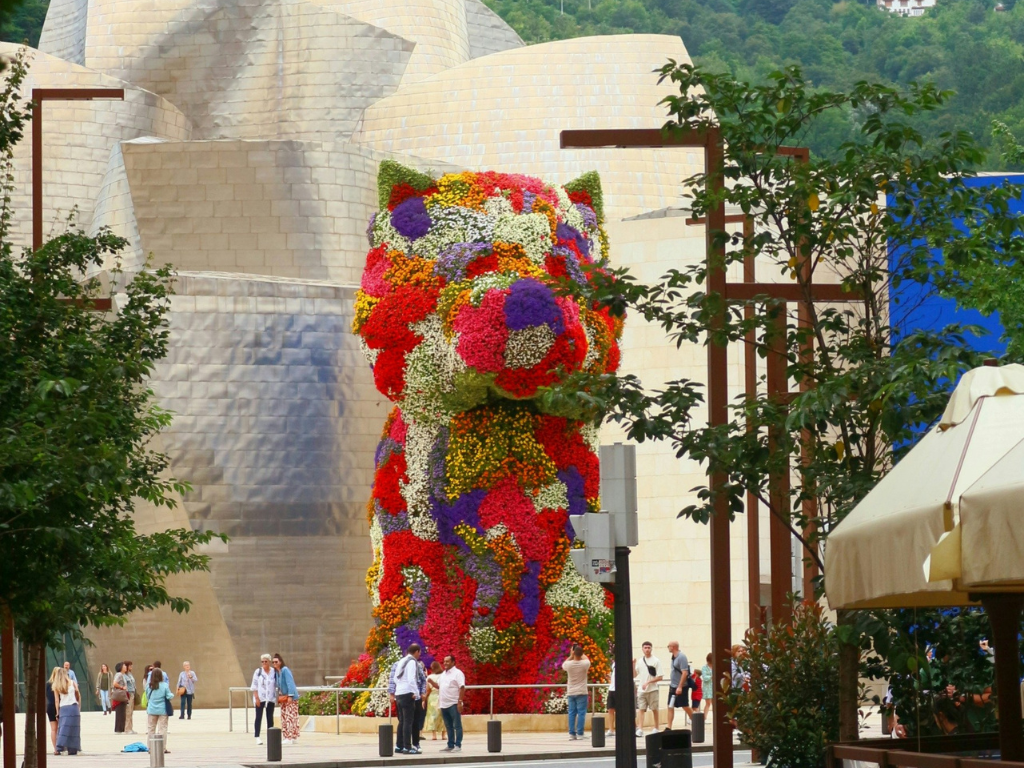
It will be the first total solar eclipse visible from the Iberian Peninsula in more than a century. It will also be a sunset eclipse. Totality arrives between approximately 8:27pm and 8:33pm, depending on location, when the sun will be extremely low in the west. A hill, apartment block, stand of trees or badly positioned church tower could obscure the entire event.
This creates an unusual trade-off. Spain generally offers better prospects for clear weather than Iceland, particularly across the inland plains and Ebro Valley. The Cantabrian coast around Bilbao and northern Asturias is greener for a reason: historical conditions suggest only a 30 to 50 percent chance of clear or lightly clouded skies there. Inland Castilla y León and the Ebro corridor tend to fare better, but every location requires an unobstructed western horizon.
The Eclipse in Bilbao
Bilbao is among the most appealing urban bases in the path, especially for travelers who prefer Guggenheim galleries and pintxos bars to an isolated field. The partial phase begins at approximately 7:31pm, with around 31 seconds of totality shortly after 8:27pm.
That is not long, and local cloud cover may intervene. But Bilbao makes an excellent case for the “travel somewhere you already wanted to visit” school of eclipse planning.
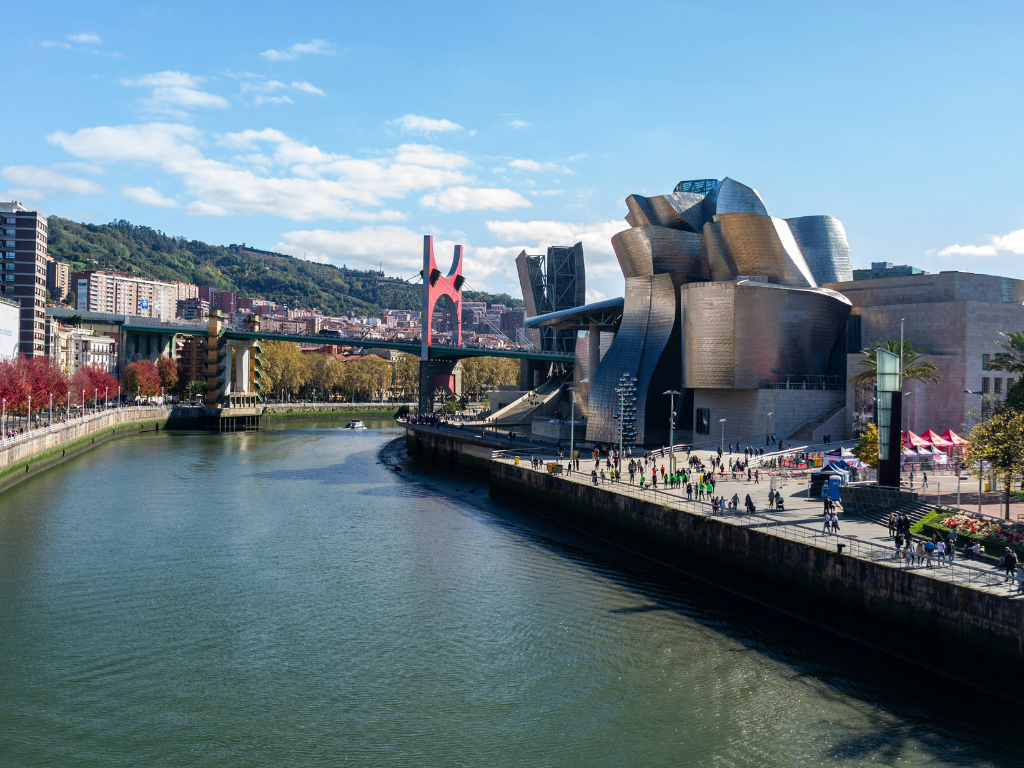
A Context Bilbao City Tour connects the medieval Seven Streets and Ribera Market to the whaling, shipping and industry that built the city. At the Guggenheim, an art historian can explain not only Frank Gehry’s titanium architecture and contemporary collection, but the cultural strategy that helped transform an industrial port into an international design destination.
The eclipse may last half a minute. Bilbao’s story of reinvention deserves rather longer.
The Eclipse in Valencia
Valencia will experience approximately one minute of totality between 8:32pm and 8:33pm. The eclipse begins at around 7:38pm, and sunset follows soon after.
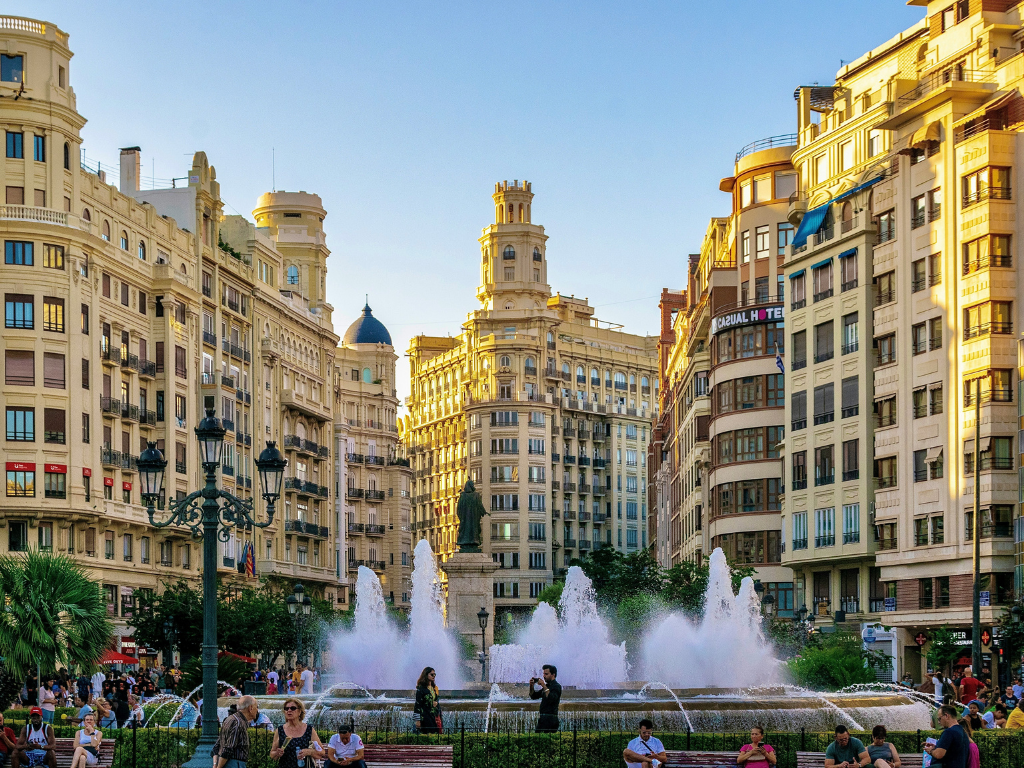
The city is flat, well connected and accustomed to August visitors, but do not assume that any beach will automatically provide the right view. Valencia’s coast faces east; the eclipse will take place low in the west. Look for an elevated location or a broad inland landscape without buildings, trees or ridges blocking the sunset.
Before eclipse day, Context’s Valencia Welcome Tour provides a useful orientation through its plazas, Central Market, Silk Exchange and medieval gates, connecting the city’s layout to trade, water and civic life. The Valencia Architecture Tour moves from ornate Modernismo and iron-and-glass markets to the City of Arts and Sciences, showing how the city has repeatedly used design to declare its ambitions.
The result is a trip in which the sky is only one part of the story.
The Inland Corridor: Fewer Icons, Stronger Odds
Travelers prioritizing astronomy over urban convenience may prefer inland Spain. Castilla y León, Castilla-La Mancha and the Ebro Valley have historically enjoyed more favorable August skies than the Cantabrian coast. Towns and rural areas around Burgos, Valladolid, Palencia, Zaragoza, and Teruel are preparing public observation sites and astronomy programming.
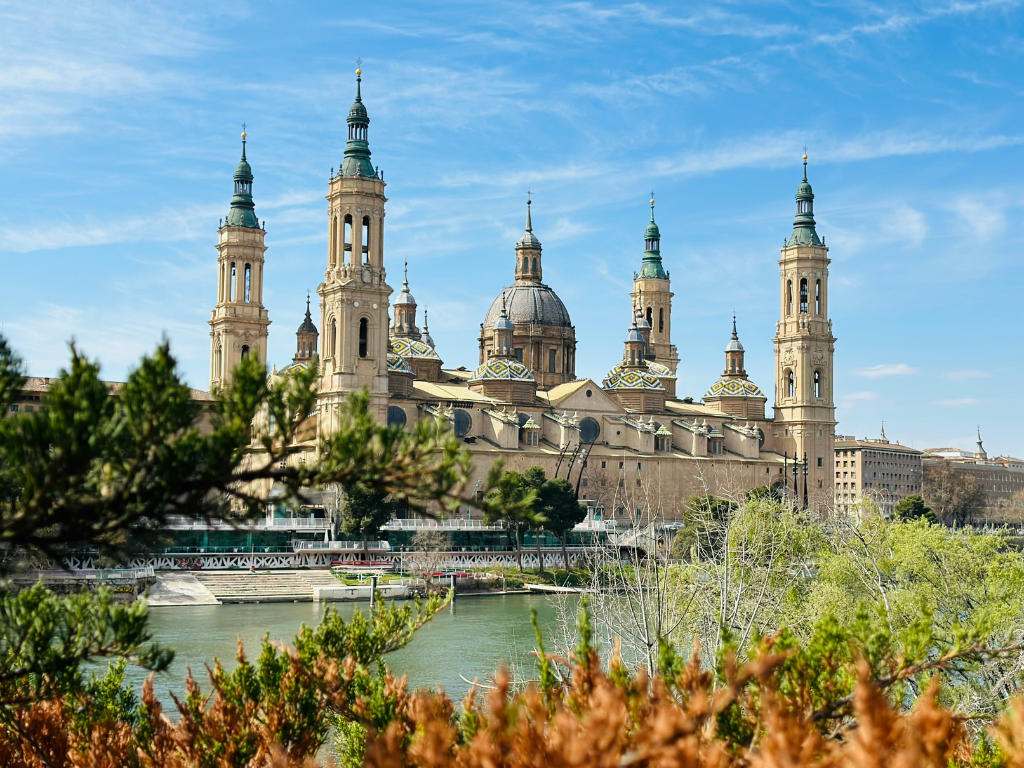
Accommodation and transport will be more limited, however. Do not arrive in a small village expecting to find parking, dinner and an empty hilltop. Reserve ahead, use designated observation areas and respect closures designed to protect farmland, forests and emergency access.
The same principle applies in Mallorca, where authorities have been preparing restrictions to prevent congestion and environmental damage in fragile landscapes. Follow official instructions rather than improvising an eclipse expedition into the Serra de Tramuntana.
What Traveling for the Eclipse Will Actually Be Like
Spain’s government expects over 445,000 additional visitors during eclipse week, with August hotel reservations already running significantly ahead of the previous year. Special plans are being introduced for traffic, emergency response and wildfire prevention.
In practical terms, expect busy roads, scarce rental cars, crowded viewpoints and mobile networks that may struggle under unusual demand. Eclipse traffic is especially notorious immediately after totality, when thousands of people attempt to leave at once.
Arrive at your destination at least a day early. On eclipse day, reach your chosen observation point several hours before totality and stay after the sun has set rather than joining the first wave of departing traffic. Spain’s Instituto Geográfico Nacional specifically advises against improvised same-day travel and recommends using public transport or locations close to major roads.
There is a reward for waiting. The eclipse falls close to the peak of the Perseid meteor shower and coincides with a new Moon, creating excellent conditions for watching meteors after nightfall in Spain.
Pack water, food, sunscreen and a layer for any sudden temperature changes. Download maps and meeting details in advance. Agree on a rendezvous point if your group becomes separated. And build enough flexibility into the itinerary to move if the weather forecast changes—without spending eclipse day in a frantic cross-country chase.
How to Watch Safely
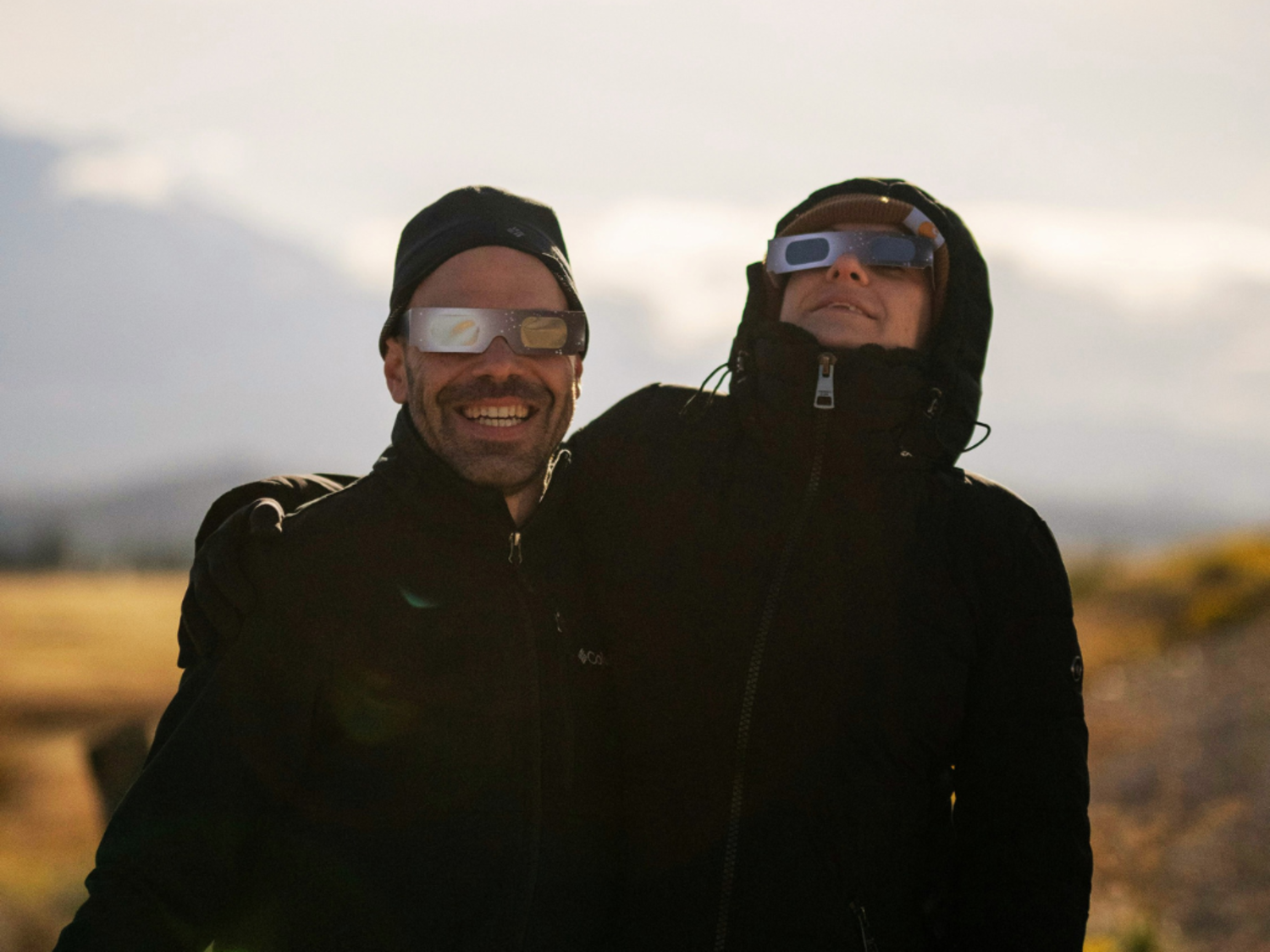
Eclipse glasses are essential throughout every partial phase. They should meet the ISO 12312-2 safety standard, fit securely and be free from scratches, punctures or other damage. Ordinary sunglasses, smoked glass, CDs and homemade filters are not safe. Cameras, binoculars and telescopes require purpose-built solar filters fitted over the front of the equipment.
Only once the sun is completely covered may viewers inside the path remove their glasses and look directly at the corona. Put them back on as soon as the first bright point of sunlight returns. Anyone outside the path of totality must keep eye protection on throughout.
Another note: put the phone down for a moment.
Professional photographers will produce better images than most of us ever could. What they cannot record is the collective silence as the light drains from the landscape, the sudden chill against your skin or the disorienting sight of an unfamiliar sky appearing in the middle of the day.
Make the Destination as Important as the Darkness
No travel plan can guarantee clear skies. That uncertainty is part of eclipse travel, and the best protection against disappointment is not another weather app. It is choosing a place worth knowing beyond the eclipse.
Spend time with the Basque history behind Bilbao’s celebrated food and architecture. Understand how water, commerce and craft shaped Valencia. Stand on an Icelandic lava field with someone who can explain the geological forces beneath it. A guided experience won't make the clouds disappear if they arrive on eclipse day, but it can ensure that the trip retains its meaning.
The eclipse itself will be over in a minute or two. Make the place you traveled to see it stay with you considerably longer by exploring it deeply with a local.