Rafael was a fantastic guide. He taught us so much about the architecture in Japan and the historical influences and context. He is a fantastic teacher and guide. It was so enjoyable spending the morning with him and learning about Japanese architecture, culture and history.
Tokyo Architecture Tour: Omotesando and Harajuku
Trace Tokyo’s modernity through shrine traditions and bold design
The Finer Details
This three-hour tour is designed to provide a perfect introduction to Tokyo for first-timers or to reorient returning travelers to the aesthetics of the Japanese capital. Join a local architect or design writer to explore the districts of Harajuku and Omotesando, looking not only at buildings and architectural design but also at the underlying aesthetic principles that inform Japanese design. Through our examination, we'll develop a more nuanced appreciation of Japanese art, architecture, and culture as a whole.
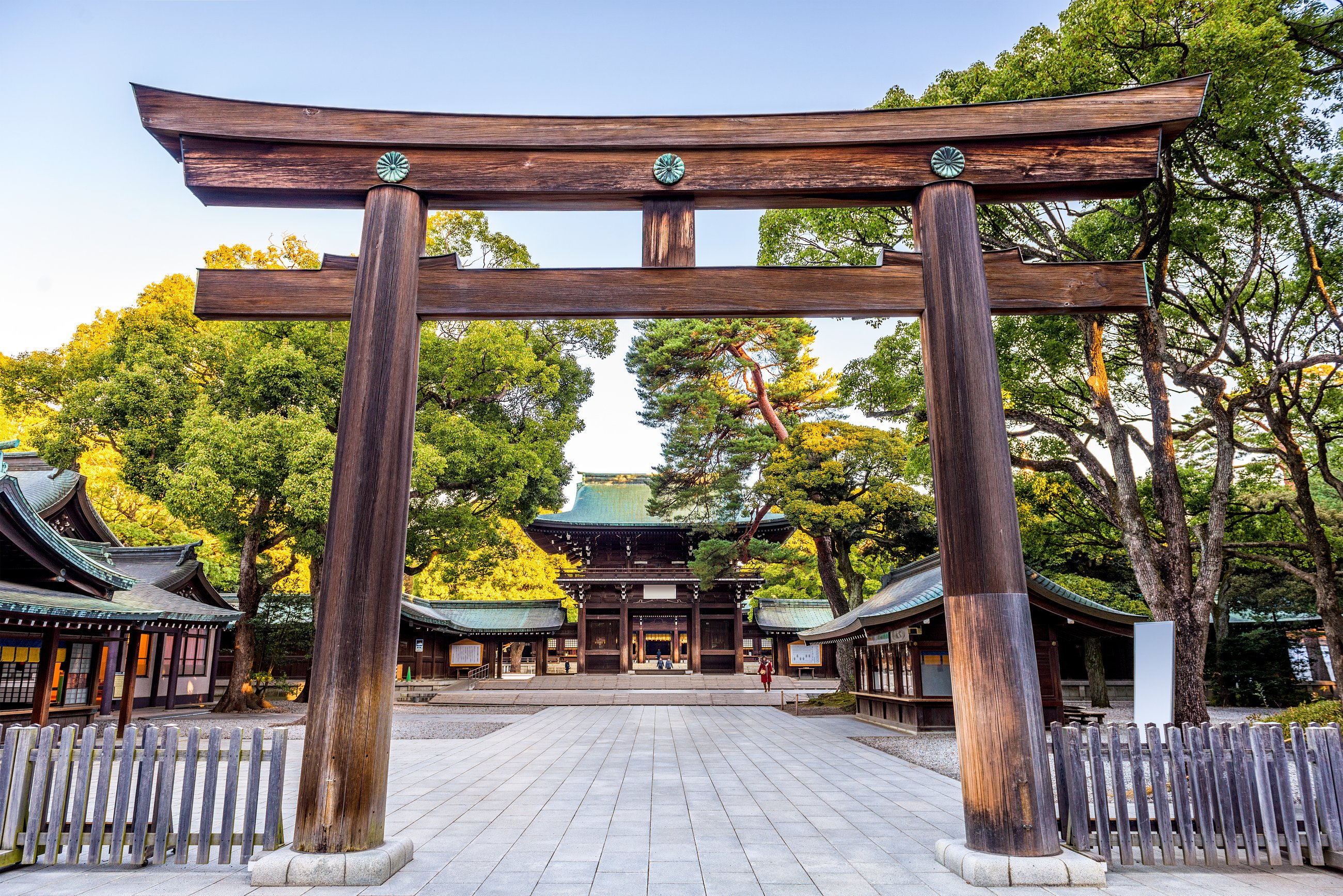
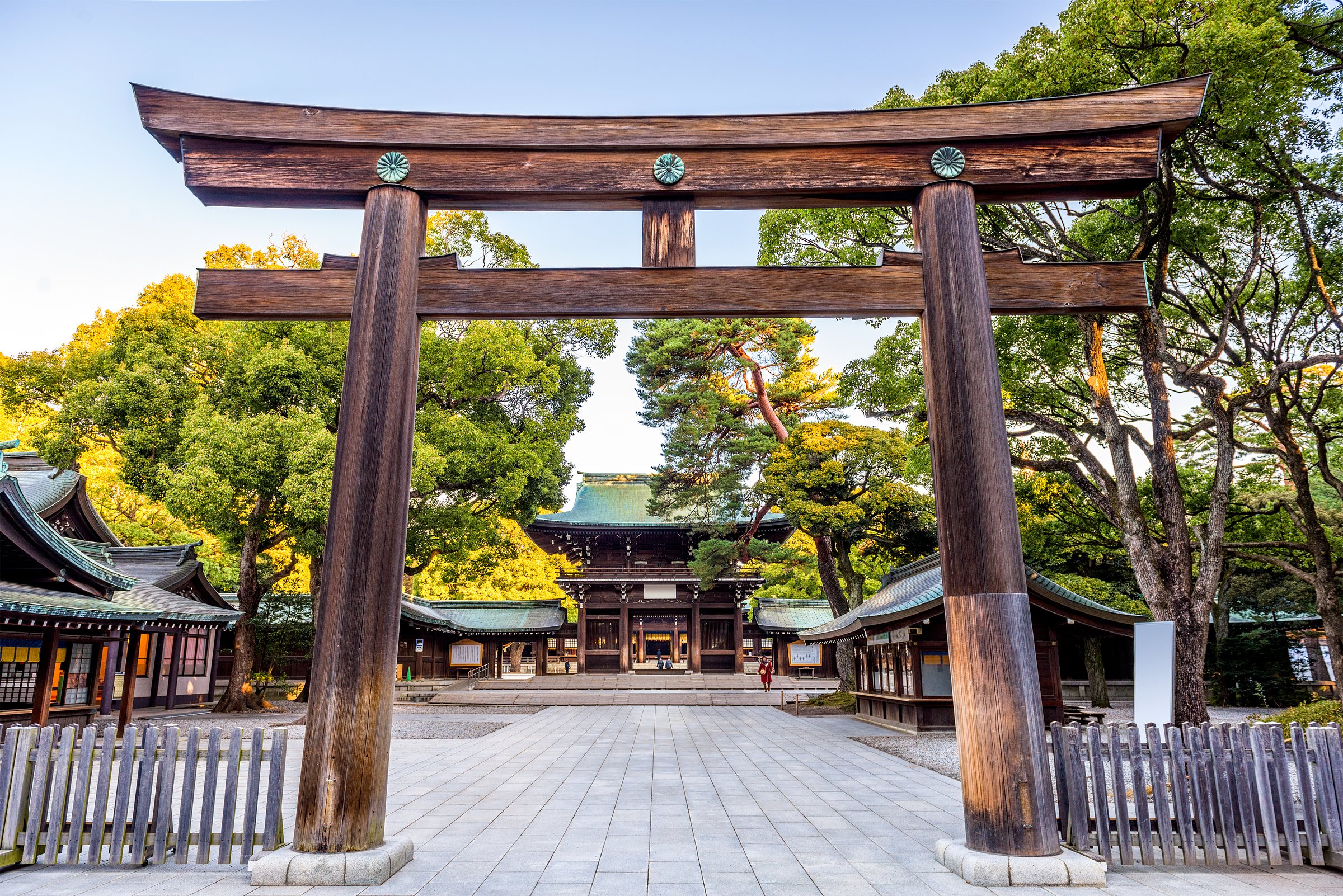
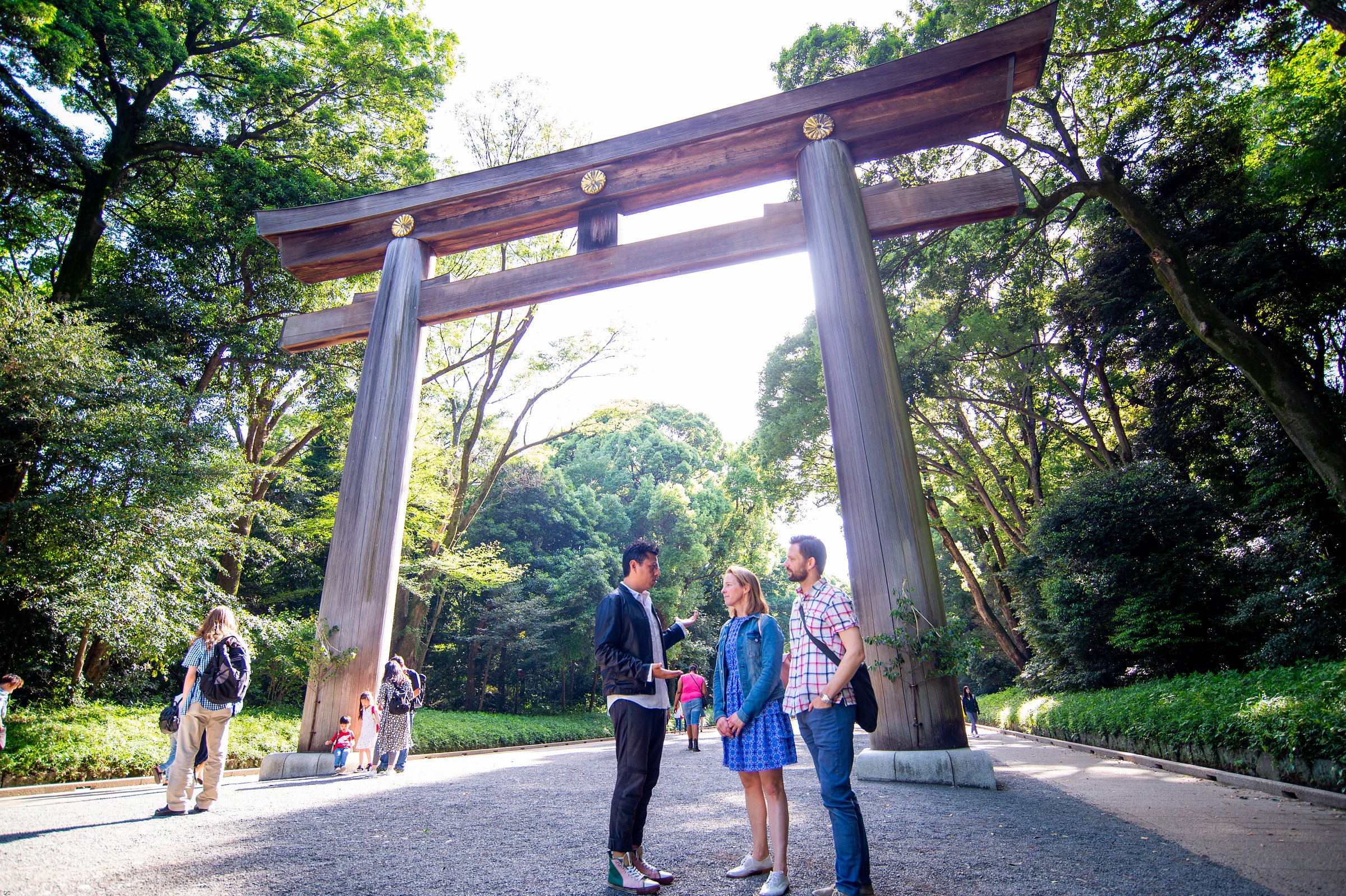
Meiji Jingu presents an ideal starting point for our tour of Tokyo, both for the time period it represents and as an example of traditional Japanese design. At this Shinto shrine, dedicated to 19th-century ruler Emperor Meiji, we’ll discuss how traditional aesthetics are the foundation for the modern and contemporary design that followed. (For a more detailed look at the Meiji, take a look at our Tokyo National Museum Tour).
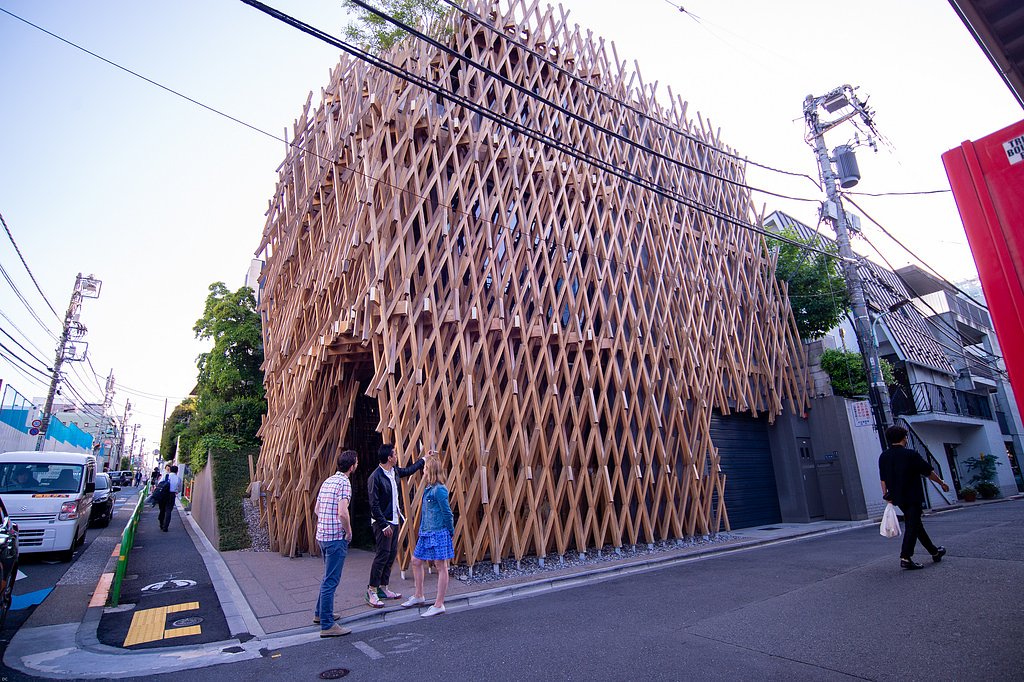
Next, we’ll travel to Harajuku and Omotesando, two closely situated areas that represent quite different manifestations of what modernity in Japan means. Our time in Harajuku will allow us to delve into some of the colorful subcultures that Tokyo is known for and to see how one’s exterior reflects principles tied to hobbies, values, and social roles. (We provide a deeper look at Anime and Manga, which will no doubt be on display in Harajuku, on our Otaku Culture Tour). Afterwards, we’ll move through Omotesando, an architectural feast for the eyes, where the main luxury merchants, from Prada to Dior, have used architecture as an extension of their brands’ aesthetic principles.
Depending on the time and our interests we may finish at Kengo Kuma's Nezu Museum, the 21 21 Design Site, Nogizaka’s National Art Center of Tokyo, or even Roppongi Hills, an integrated urban development. By the end of our architecture walking tour of Tokyo, we’ll understand how a distinct design sensibility, aesthetics, and style are displayed across the city, reflecting Japanese history and a unique understanding of what constitutes good design.
Meiji Jingu presents an ideal starting point for our tour of Tokyo, both for the time period it represents and as an example of traditional Japanese design. At this Shinto shrine, dedicated to 19th-century ruler Emperor Meiji, we’ll discuss how traditional aesthetics are the foundation for the modern and contemporary design that followed. (For a more detailed look at the Meiji, take a look at our Tokyo National Museum Tour).
Next, we’ll travel to Harajuku and Omotesando, two closely situated areas that represent quite different manifestations of what modernity in Japan means. Our time in Harajuku will allow us to delve into some of the colorful subcultures that Tokyo is known for and to see how one’s exterior reflects principles tied to hobbies, values, and social roles. (We provide a deeper look at Anime and Manga, which will no doubt be on display in Harajuku, on our Otaku Culture Tour). Afterwards, we’ll move through Omotesando, an architectural feast for the eyes, where the main luxury merchants, from Prada to Dior, have used architecture as an extension of their brands’ aesthetic principles.
Depending on the time and our interests we may finish at Kengo Kuma's Nezu Museum, the 21 21 Design Site, Nogizaka’s National Art Center of Tokyo, or even Roppongi Hills, an integrated urban development. By the end of our architecture walking tour of Tokyo, we’ll understand how a distinct design sensibility, aesthetics, and style are displayed across the city, reflecting Japanese history and a unique understanding of what constitutes good design.
Meet the Experts






















Where You’ll Go
From iconic landmarks to tucked-away local favorites, these are the places you’ll explore and experience firsthand with your Expert.
-
Meji Jingu Shrine
-
Harajuku
-
Omotesando
What’s Included As Standard
Here’s a look at what your tour covers, plus anything you’ll want to consider arranging separately, so you can plan with confidence.
Included
-
English-speaking expert guideTours led in English, offering you unbroken understanding throughout.
-
Intentionally sized groupsA smaller group means more time for conversations and questions.
-
Tickets and entrance feesAll entry tickets included (unless clearly stated otherwise).
-
HeadsetsHeadsets are included on tours that need them, so every word can be heard.
Not Included
-
Food and drinkUnless booking a Food & Drink tour or tasting experience, refreshments are not included.
-
Transportation to and from the meeting pointUnless noted, pre- and post-tour transport isn’t included - this service can be added by request.
-
GratuitiesTips aren’t included, but we encourage tipping as a way to thank your guide after your experience.
-
Hotel pickup or drop-offUnless noted, travel to or from accommodation isn’t included - this service can be added by request.
Where You'll Explore
Make the Most of Your Tour
Some helpful advice for getting the most from your experience, from practical prep to small on-the-day tips.
Dos:
- Wear comfortable footwear
- Check the weather and dress appropriately
- Bring a bottle of water (no glass)
- Feel free to ask your Expert anything
Don'ts:
- Bring firearms or weapons
- Bring sharp objects (e.g. knives, swiss army knives, switchblades, hiking sticks)
- Dress inappropriately to enter religious sites or sacred monuments
Any questions? You can always
contact us.
Frequently Asked Questions
Our private tours are limited exclusively to travelers in your party. They are designed to provide a learning experience that is completely tailored to you and your traveling companions. Private tours give you more flexibility with scheduling (you decide when the walk best fits in your trip), the ability to tailor your itinerary (we'll work to match the itinerary to the interests and dynamics of your group), and more personalized time with your guide.
Generally speaking, the walk begins in the Harajuku neighborhood. Your confirmation email will have the exact meeting point details along with a map. The walk might end at 21_21 Design Museum, or if the group covers a fast pace, Roppongi Hills.
Tours operate rain or shine, but in the case of inclement weather, your guide will modify the tour so more time is spent indoors. It never hurts to have an umbrella on hand.
This walk covers about 2.5 miles overall at a moderate pace. There are occasional opportunities to sit, use the bathroom, and get something to drink if needed.
Context clients generally tip anywhere from 10-25% of the purchase price of a personal service such as this, depending on the quality of the experience and their tipping habits.
Book with confidence — see Context's flexible cancellation policy here.
Don’t just take our word for it
Anna made this tour the best introduction to Tokyo with her knowledge and passion of history and architecture. The breadth of topics and variety of architecture was extraordinary as well.
Our guide was incredible! She explained everything in detail and was able to answer all of our MANY questions. She was thorough and clear, taking time to dive deeper into the things we were interested in. She was extremely professional. Highly recommend!
Book a Tour
Let Your Curiosity Shape Your Journey
Join passionate experts on intimate walking tours that reveal a city’s unique stories, spark conversations, and leave you seeing the world—and yourself—a little differently.
Structured, never scripted
Your interests guide your Expert, leading to stories and perspectives that matter to you.
Crafted for conversation
With 12 or fewer guests, ask questions, engage with your Expert, and fully immerse yourself.
Experts, not guides
Explore with 1,200+ Experts—from historians and architects to archaeologists and chefs.
You May Also Be Interested In…


Discover Tokyo Through Architecture
Tokyo's skyline is constantly changing, but its buildings tell a remarkably coherent story.
This private Tokyo architecture tour explores how Japan balances tradition with innovation through shrines, shopping streets, and some of the world's most influential contemporary architecture. Walking from Meiji Jingu through Harajuku and Omotesando, you'll discover how architecture reflects changing ideas about religion, fashion, commerce, and national identity.
Rather than focusing on technical architectural terminology, your Expert helps you understand what buildings communicate about the society that created them.
Why Omotesando Became Tokyo's Architecture District
Omotesando has become one of the world's great streets for contemporary architecture. International architects including Herzog & de Meuron, Tadao Ando, Toyo Ito, SANAA, and others have designed flagship buildings here, transforming retail architecture into a showcase for experimentation and design.
Instead of treating these buildings as isolated landmarks, your Expert explains why luxury brands invest so heavily in architecture and how each building expresses a different visual identity.
Begin at Meiji Jingu
The tour starts somewhere unexpected for an architecture walk: a shrine.
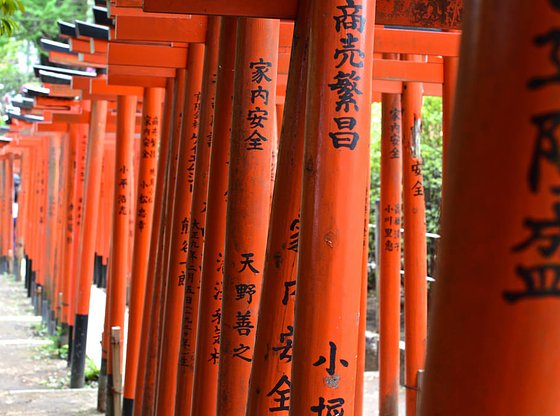
Meiji Jingu demonstrates that Japanese architecture has long been concerned with movement, proportion, materials, and landscape. Wooden gates, gravel paths, forest approaches, and carefully framed views establish ideas that continue to influence Japanese architects today.
Understanding these principles provides a useful foundation before encountering Tokyo's contemporary buildings.
Explore Harajuku Beyond Fashion
Harajuku is famous for youth culture, but its streets also reveal how architecture responds to changing lifestyles.
Following the Second World War, the neighborhood became a place where new forms of identity, fashion, and consumption developed alongside rapid urban change. Buildings, shopfronts, public spaces, and streetscapes reflect these shifts just as clearly as clothing or popular culture.
Your Expert explains how Harajuku became one of Tokyo's most influential creative districts.
Read Buildings Like Works of Design
Architecture communicates long before anyone enters a building.
Materials, light, transparency, structure, and scale all shape the way a building is experienced. Throughout Omotesando, major fashion houses use architecture to express their brands as clearly as their clothing collections.
Your Expert helps you notice these design decisions and understand why different architects approached similar commercial challenges in dramatically different ways.
Modern Architecture Beyond the Icons
Depending on the day's pace and your interests, the walk may continue toward sites such as the Nezu Museum by Kengo Kuma, 21_21 Design Sight, The National Art Center Tokyo, or Roppongi Hills.
Each offers another perspective on contemporary Japanese architecture, from museum design integrated into gardens to large-scale urban redevelopment projects.
Because this is a private tour, your Expert can shape the discussion around your interests while maintaining the broader story of Tokyo's architectural evolution.
Understand Contemporary Japanese Architecture
Modern Japanese architecture is internationally admired for its careful use of light, materials, proportion, and simplicity.
Rather than treating these characteristics as timeless national traits, this tour explores how architects responded to historical events, technological change, urban density, and international influences throughout the twentieth and twenty-first centuries.
By connecting individual buildings to larger cultural questions, the tour provides a richer understanding of why Tokyo has become one of the world's leading architectural cities.
A Walking Tour Designed for Observation
Architecture is best experienced at street level. Walking allows you to compare neighborhoods, observe changing scales, notice overlooked details, and understand how buildings relate to one another within the city.
The route covers approximately 2.5 miles at a comfortable pace and can be adjusted for guests with mobility concerns. Because the focus is on the streetscape, the standard itinerary does not include interior visits to buildings or museums.
Led by an Expert in Architecture and Design
Your tour is led by a Context Expert with knowledge of architecture, urban history, design, or Japanese culture.
Rather than identifying architects and construction dates alone, your Expert helps you understand how buildings express changing ideas about religion, commerce, identity, and modern life.
Questions are encouraged throughout, allowing the walk to become an ongoing conversation rather than a catalogue of famous buildings.
Frequently Asked Questions
What will I see on this Tokyo architecture tour?
The tour explores Meiji Jingu, Harajuku, and Omotesando, with possible extensions toward sites such as the Nezu Museum, 21_21 Design Sight, The National Art Center Tokyo, or Roppongi Hills, depending on time and your interests.
Do we go inside any buildings?
No. This is primarily an exterior walking tour. The focus is on experiencing architecture within the city rather than visiting building interiors.
Is this an architecture tour for non-architects?
Yes. No architectural background is required. The discussion focuses on how buildings communicate ideas about culture, history, and design rather than technical terminology.
Which architects are discussed?
The exact conversation varies, but the tour may include works or discussions related to architects such as Kengo Kuma, Herzog & de Meuron, Tadao Ando, Toyo Ito, and SANAA, depending on the final route.
Why is Meiji Jingu included on an architecture tour?
The shrine introduces principles of Japanese spatial design, materials, movement, and landscape that continue to influence contemporary architecture. It provides historical context before exploring modern Tokyo.
Is this mostly a walking tour?
Yes. Expect approximately 2.5 miles of walking at a moderate pace through several connected neighborhoods.
Is the tour suitable for guests with mobility concerns?
Often, yes. The standard route involves significant walking, but it can usually be adapted. Guests should let Context know about any mobility concerns before the tour so the route can be adjusted where possible.
Can children join?
Yes. While this is not a dedicated family tour, children are welcome, and some guides have particular experience leading families when available.
Does the tour visit the Prada building?
The Prada Aoyama flagship is commonly included because it is one of Omotesando's defining architectural landmarks. Exact stops may vary depending on the day's route and your interests.
Is Omotesando the best area for architecture in Tokyo?
It is certainly one of the city's most important districts for contemporary architecture, combining works by internationally recognized architects with some of Tokyo's most innovative retail design.
What makes this different from exploring on my own?
Omotesando's buildings are visually striking without explanation, but many visitors miss why they were designed the way they were or how they relate to Japanese history and urban development. Your Expert connects architecture, fashion, religion, postwar culture, and city planning into one coherent narrative.
Which tour pairs well with this one?
Many travelers combine this experience with Tokyo in a Day for a broader historical introduction or Tokyo Night Food Tour for a contrasting perspective on the city's nightlife and contemporary culture.