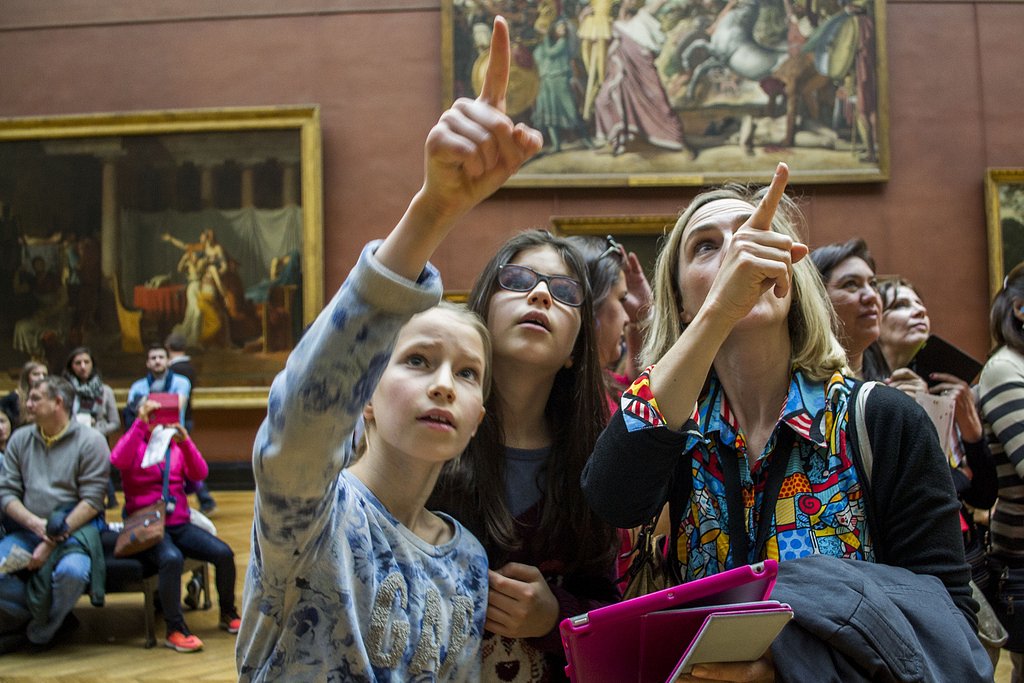
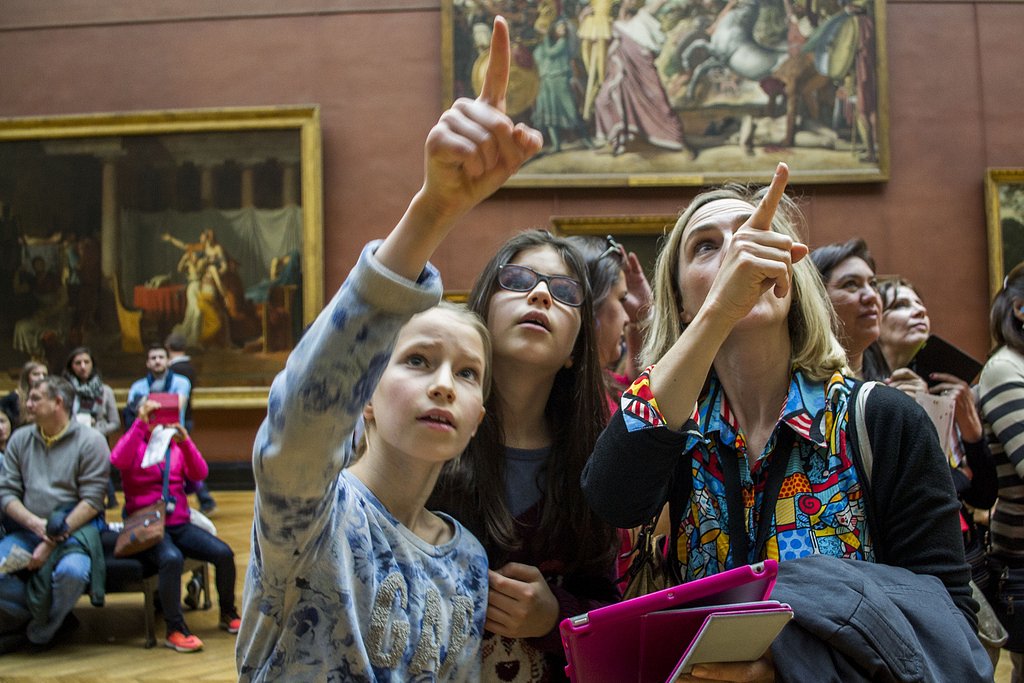
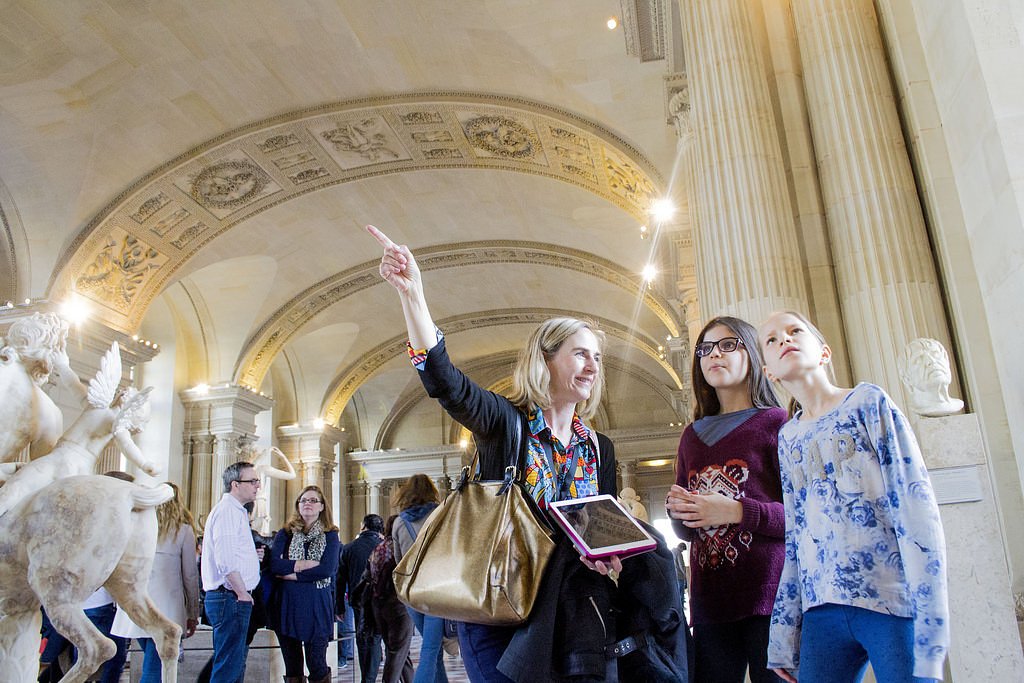
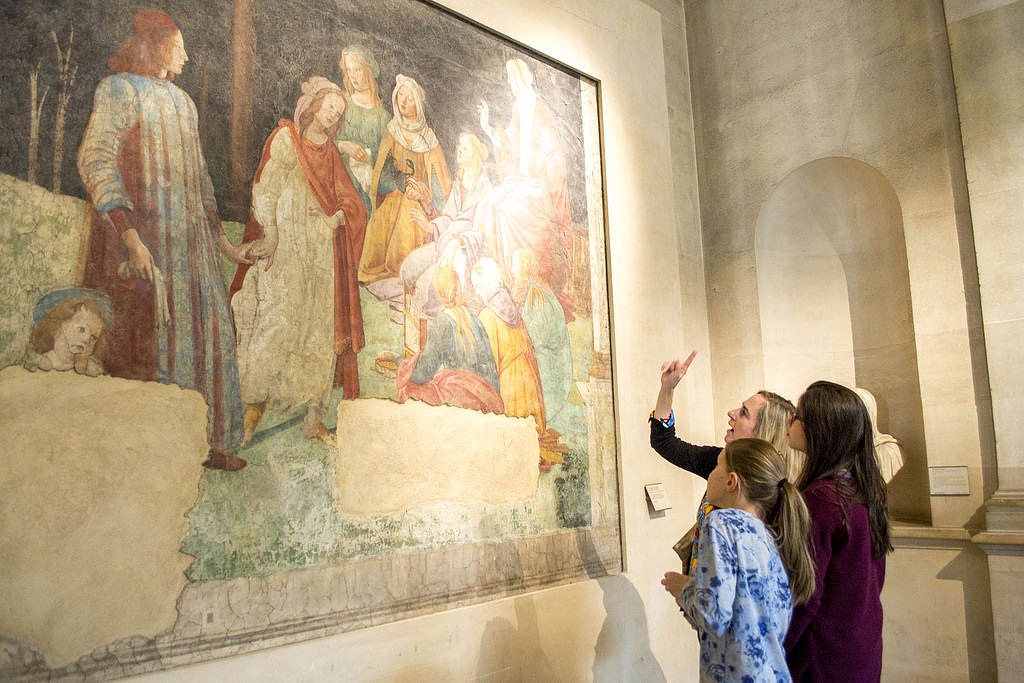
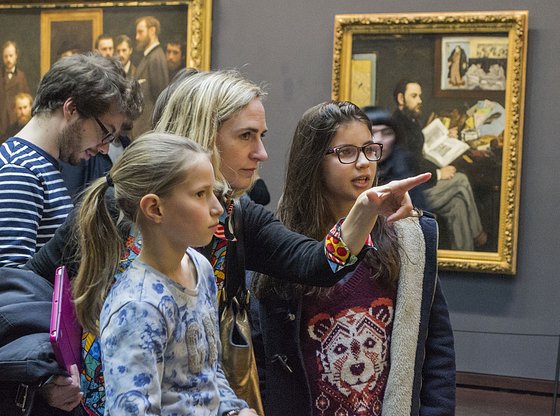
Remy is an excellent guide. Very knowledgeable and was great with kids. Highly recommend.

Louvre Tour for Kids
Keep kids engaged as they explore the Louvre’s key works
Let Your Curiosity Shape Your Journey
Join passionate experts on intimate walking tours that reveal a city’s unique stories, spark conversations, and leave you seeing the world—and yourself—a little differently.
Structured, never scripted
Your interests guide your Expert, leading to stories and perspectives that matter to you.
Crafted for conversation
With 12 or fewer guests, ask questions, engage with your Expert, and fully immerse yourself.
Experts, not guides
Explore with 1,200+ Experts—from historians and architects to archaeologists and chefs.
You May Also Be Interested In…
A Louvre Family Tour Built Around Curiosity
The Louvre can overwhelm adults, let alone children. Its galleries stretch across centuries and civilizations, while crowds, unfamiliar subjects, and the pressure to see famous masterpieces can quickly turn a family museum visit into an exercise in endurance.
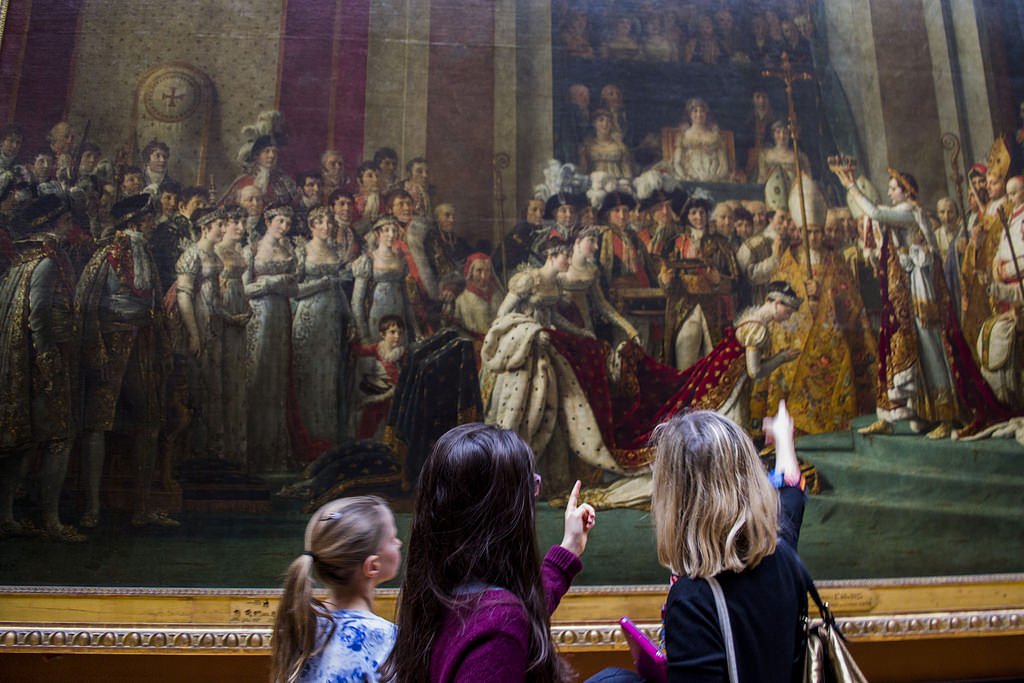
This Louvre family tour offers a more thoughtful approach. Led by a kid-friendly art historian, museum specialist, or other Context Expert, the visit helps children learn how to look at art through storytelling, observation, comparison, and conversation.
Rather than rushing through a checklist, your family follows a carefully chosen route that responds to the children’s ages, interests, questions, and energy. Young visitors are invited to notice expressions, movement, symbols, clothing, animals, and surprising details, while adults gain historical and artistic context that keeps the experience rewarding for everyone.
What Makes This Louvre Tour for Kids Different?
Designed for Children and Grown-Ups
This is not an adult highlights tour with simplified commentary added afterward. The pacing, route, and discussion are shaped for families from the beginning.
Your Expert finds accessible ways into major artworks without stripping away their complexity. A sculpture may open a discussion about heroes and monsters; a royal portrait can reveal clues about power; a familiar painting may become more interesting once children are encouraged to look beyond its most famous feature.
Adults remain part of the conversation, allowing the museum to become a shared family experience rather than separate entertainment for children.
Conversation, Not a Scavenger Hunt
The experience does not follow a fixed scavenger hunt or competitive game format. Instead, your Expert uses open questions, stories, visual clues, and active observation to keep children involved.


This flexible approach removes the pressure to complete a predetermined activity and allows the visit to develop around what genuinely captures your family’s attention.
A Route That Can Adapt
Every family enters the Louvre with different interests and different levels of museum experience. Your Expert can adjust the pace, spend longer with works that spark curiosity, or move on when attention begins to fade.
Gallery closures and visitor conditions may also affect the exact route, but the central aim remains the same: helping children feel confident looking at art while giving the whole family a memorable introduction to the museum.
What Might You See?
The precise route varies, but the experience commonly connects several of the Louvre’s most recognizable works with less familiar pieces chosen for their storytelling potential.
The Mona Lisa
Leonardo da Vinci’s portrait is often the work children recognize first. Your Expert helps them look beyond the famous smile by considering pose, landscape, gaze, scale, and the reasons one relatively small painting became a global icon.
Because this gallery can be crowded, viewing conditions vary. The Expert prepares your family beforehand and adapts the visit according to conditions on the day.
Winged Victory of Samothrace
Standing above the Daru staircase, the Winged Victory appears to lean into wind and sea despite being carved from stone. Children can look for movement in the fabric, imagine the sculpture’s original setting, and consider how an artist creates energy without showing a face or arms.
Venus de Milo
The Venus de Milo invites questions that archaeology cannot answer with certainty. What was she holding? What did her missing arms look like? How did ancient artists represent beauty and balance?
That uncertainty makes the sculpture especially useful for showing children that museums are places of interpretation and continuing discovery, not simply rooms filled with settled facts.
Stories Across the Collection
Depending on your family’s interests, the route may include Egyptian objects, ancient heroes, royal paintings, Renaissance works, monumental French canvases, or quieter artworks that reward close observation.
The goal is not to cover every department. It is to give children a few strong ways to approach art that they can use throughout the Louvre and in museums they visit later.
How Does a Kid-Friendly Louvre Tour Work?
The experience lasts approximately two and a half hours and is paced around the needs of the family.
Your Expert begins by helping children understand the Louvre as a building with its own history, once a fortress and royal residence before becoming a public museum. From there, the route develops through selected artworks and galleries, with time for questions, discussion, and short pauses when needed.
The visit remains walking-based, and the museum can be busy. Families should wear comfortable shoes and share any mobility, sensory, or accessibility needs before the tour so the route can be considered accordingly.
What Ages Is This Tour Best For?
The tour is generally best suited to school-age children and pre-teens who are ready to engage through looking, listening, and conversation. Teenagers may also enjoy the experience, particularly when the Expert can connect the collection to subjects they already know from school, books, mythology, or popular culture.
Younger children may participate successfully depending on their interests and comfort in museums. Parents know their children best, and sharing ages, interests, and attention needs in advance helps us identify an appropriate Expert and approach.
There is no expectation that children arrive with prior knowledge of art history.
Is a Guided Louvre Tour Worth It for Families?
Families can certainly visit the Louvre independently, but the museum’s size makes it difficult to choose a manageable route while simultaneously keeping children engaged.
A dedicated family Expert removes much of that pressure. Parents do not have to research every gallery, translate museum labels, or improvise explanations while navigating crowds. Instead, the Expert selects works that lend themselves to discussion and helps children participate rather than simply follow.
For many families, the value lies not in seeing more, but in avoiding museum fatigue and leaving with a few vivid artworks, useful ways of looking, and stories everyone can remember together.
What Is Included?
The experience includes:
- Pre-reserved Louvre Museum admission for the booked participants
- A private, kid-friendly Context Expert
- A family-focused museum route lasting approximately two and a half hours
- Headsets when required by museum regulations or group size
Food, transportation, hotel pickup, and gratuities are not included.
All visitors must complete the Louvre’s mandatory security screening. Pre-reserved admission does not eliminate security procedures or guarantee crowd-free galleries.
Who Leads the Louvre Family Tour?
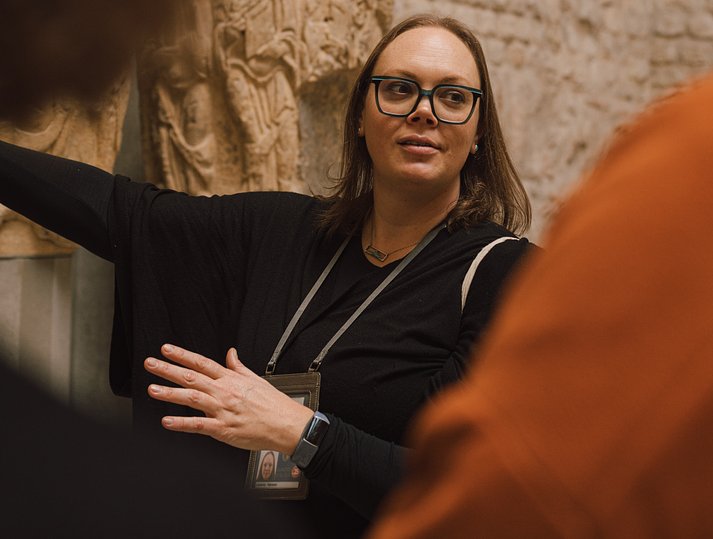
Context Experts may include art historians, museum educators, archaeologists, artists, or other specialists with substantial knowledge of the collection and experience engaging children.
Their role is not merely to recite facts. They help young visitors form interpretations, make connections, and become comfortable expressing what they notice. The best family museum conversations often begin with a child’s unexpected question, and the tour is designed to make room for exactly that.
Frequently Asked Questions
Is this a private Louvre family tour?
Yes. The experience is private to your party, allowing the Expert to adapt the route, pacing, and discussion to your children and accompanying adults.
Does the tour include the Mona Lisa?
The route is designed to include the Mona Lisa, subject to gallery access and museum conditions. Your Expert will prepare children for the viewing and help them notice details beyond the painting’s famous smile.
Is this a Louvre scavenger hunt?
No. The tour does not rely on a fixed scavenger hunt or competitive activity. Engagement comes through storytelling, questions, visual clues, comparison, and discussion tailored to the family.
How long is the Louvre tour for kids?
The tour lasts approximately two and a half hours. The pace includes flexibility for questions, transitions, and brief pauses, although the visit still involves sustained walking and standing.
What is the best age for a Louvre kids tour?
School-age children and pre-teens are often the strongest fit, but suitability depends on the individual child. Sharing children’s ages and interests before the visit helps the Expert shape the experience appropriately.
Can we bring a stroller?
Strollers are generally permitted in the Louvre, subject to current museum regulations. Elevators are available, although routes may take longer and crowded galleries can be more difficult to navigate.
Is the Louvre accessible for families with mobility needs?
Much of the museum is accessible by elevator, but its historic layout and occasional closures can complicate routes. Contact us before booking so we can discuss current needs and determine the most suitable approach.
Can adults enjoy the tour too?
Yes. The experience is designed for shared family learning. Children receive accessible ways into the art, while adults gain meaningful historical, artistic, and cultural context. If you're looking for the adult version of the Louvre, check out our Signature Louvre Tour.


%20-%202026-04-23T140946.304.png)