Kyoto rewards patience. Its meaning is often quiet rather than obvious, held in temple gardens, shrine rituals, seasonal details, and neighborhoods where old forms of craft and hospitality still shape daily life.
The challenge is not finding beautiful places to visit. It is understanding what those places are asking you to notice.
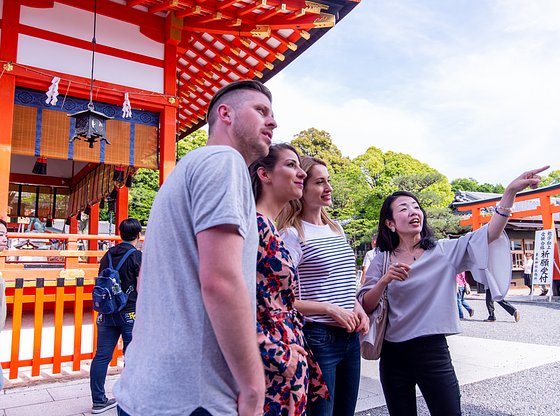
The right tour helps you slow down, make connections, and see Kyoto as more than a sequence of temples and photo stops.
Best for First-Time Visitors
If it’s your first time in Kyoto, begin with an experience that gives you a strong sense of the city’s historical and cultural foundations.
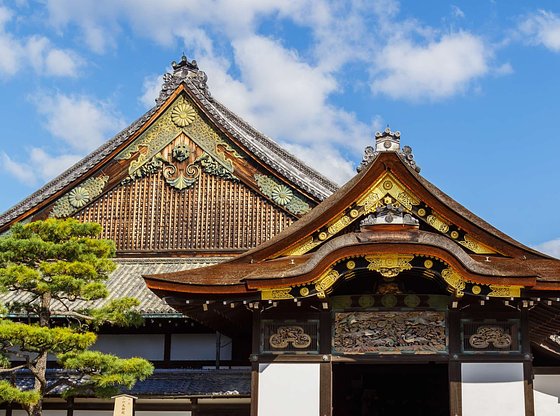
These tours help connect Kyoto’s role as Japan’s former imperial capital with its architecture, gardens, and religious traditions. They are especially useful if you want to understand the city before diving into more specialized experiences.
Best for Temples, Shrines & Spiritual Traditions
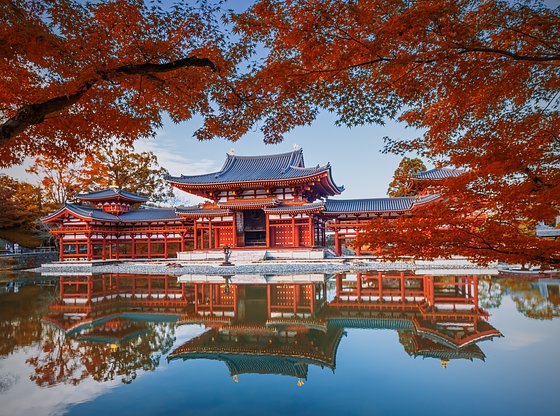
Kyoto’s religious sites are beautiful, but their meaning deepens when you understand the practices, symbols, and beliefs behind them.
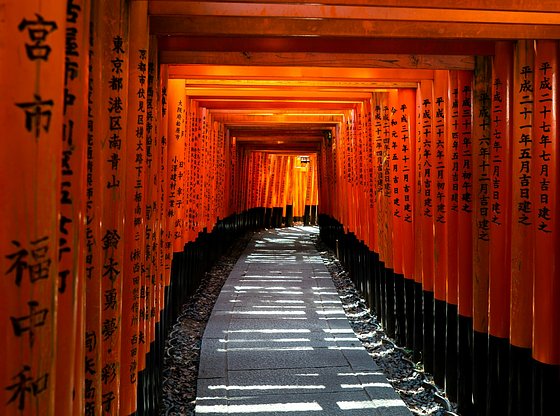
These experiences explore how Shinto and Buddhist traditions shaped Kyoto’s landscape, from shrine gates and temple gardens to mountain paths and ritual spaces.
Best for Gardens & Aesthetics
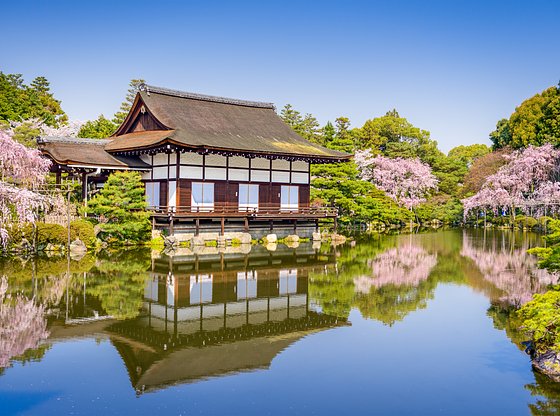
Kyoto’s gardens are not simply decorative. They reflect ideas about nature, perception, discipline, and beauty.
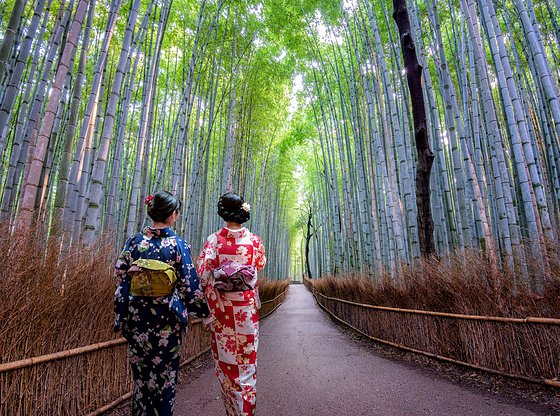
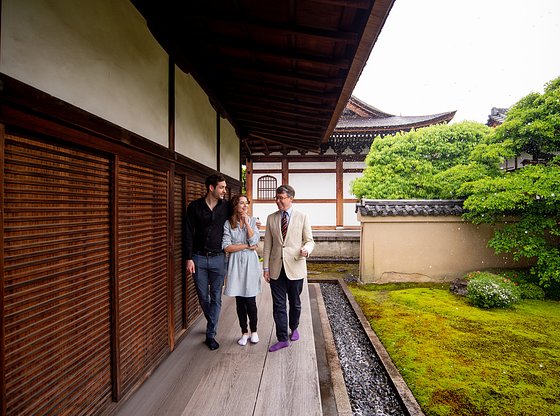
With an expert, places like Ryoan-ji, Kinkaku-ji, and Tenryu-ji become invitations to look more closely, not just admire the view.
Best for Geisha Culture & Historic Neighborhoods
Kyoto is also a city of performance, tradition, and carefully preserved social worlds.
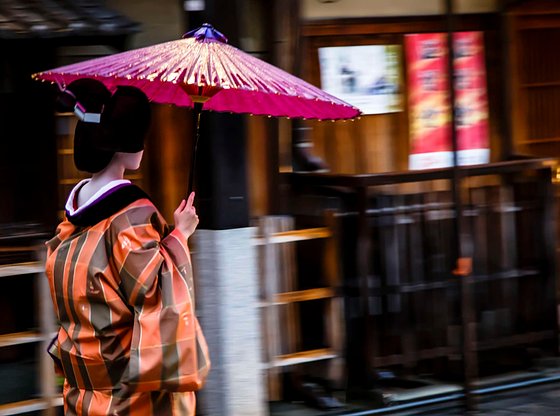
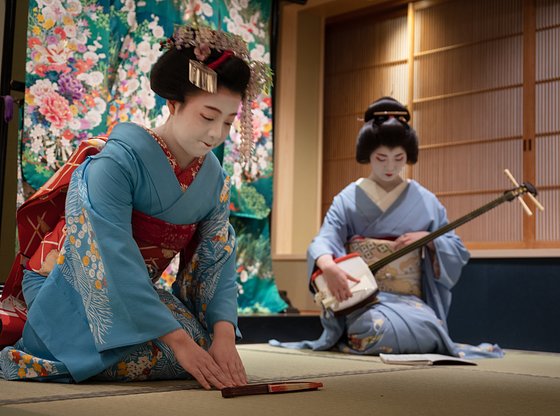
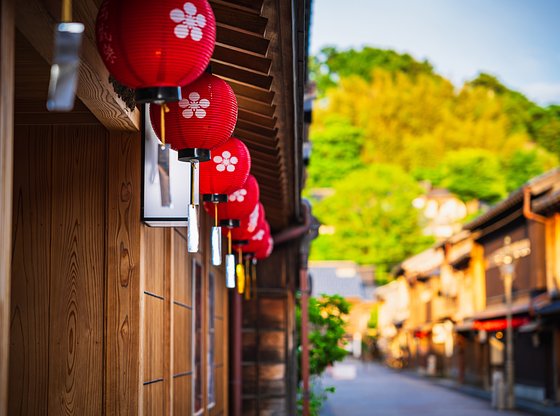
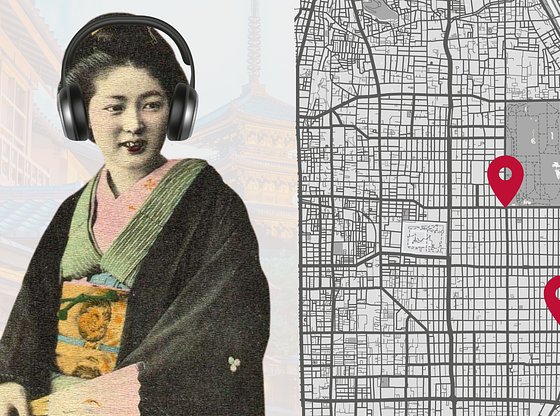
In Gion, narrow streets, teahouses, and evening rituals open a window into cultural traditions that are often misunderstood. The right guide helps separate myth from history, offering a more respectful and informed understanding of Kyoto’s geisha districts.
Best for Food, Tea & Everyday Culture
Kyoto’s culinary traditions are deeply tied to seasonality, presentation, and regional identity.
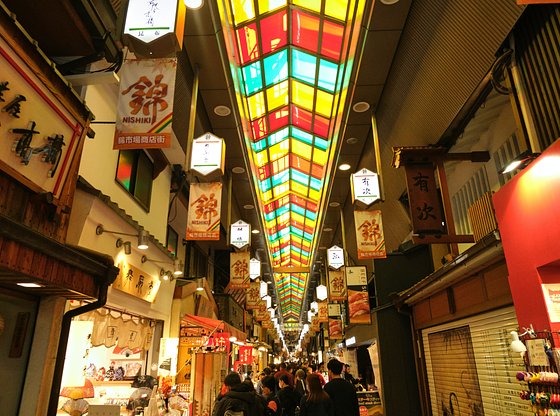
Nishiki Market, tea culture, and Uji’s long history with matcha all reveal how food and ritual help define Kyoto’s sense of place.