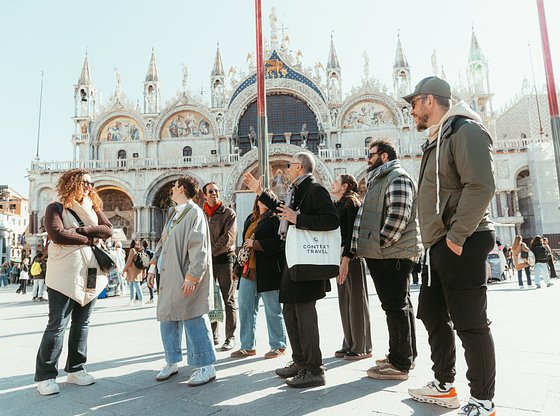



Matteo was excellent from beginning to end. Logistics were perfect and his knowledge and ability to educate us during the tour was unparalleled. Highly Recommend Matteo!!
.jpg)
Northern Italy Tours
Explore Renaissance cities, Alpine lakes, coastal landscapes, and the traditions that distinguish Italy’s north.
Let Your Curiosity Shape Your Journey
Join passionate experts on intimate walking tours that reveal a city's unique stories, spark conversations, and leave you seeing the world—and yourself—a little differently.
Experts, not guides
Explore with 1,200+ Experts, from historians and architects to chefs and archaeologists.
Crafted for conversation
With fewer than 12 guests, engage your Expert through questions and immerse fully.
Structured, never scripted
Your interests guide your Expert, leading to stories and perspectives that matter to you.
Curious or connoisseur
First-time visitor or seasoned explorer, our tours span city highlights to deep-dives.

Discover a different side of Italy.
From Venice and Milan to Lake Como, Bologna, Verona, Genoa, and the Ligurian coast, explore a region shaped by trade, art, landscape, and distinct local identities. Find the Northern Italy experience that fits your curiosity.
Northern Italy is one of Europe's richest regions for travelers who want variety without traveling great distances.
Find your Northern Italy tour
Explore expert-led experiences in Venice, Milan, Lake Como, Verona, Bologna, Genoa, and beyond.
Hear from our customers
It was like taking a wonderful walk with an extremely smart old friend. He was so nice to find an open pharmacy for my wife on a Sunday and take us to it. It put our minds at ease. As a native Venetian, he knows the city and history and weaves an interesting story. We highly recommend Andrea!
Fantastic! Frederica was awesome so knowledgeable of the industry, history. Most importantly she took is for outstanding experience behind the scenes at Loro Piano, Curiel, and the best Fendi. We saw the atelier make the handmade bags and explain the process. Amazing. We received a private showing of the new collection with a detailed explanation from a Fendi host (whom she knew personally- he only did for her). I highly recommend Fredrica. Asl for her by name. Lucia and Rick.
Expert-Led Northern Italy Tours
Northern Italy brings together some of the country's most distinctive cities and landscapes. Milan and Venice reveal very different histories of wealth and influence. Bologna offers medieval streets and one of Italy's most celebrated culinary traditions. Verona preserves layers of Roman and medieval history, while Genoa's waterfront and palaces reflect centuries of maritime trade. Lake Como provides an entirely different perspective, where Alpine geography meets villa culture. Context Travel offers Northern Italy tours across these destinations, with experiences ranging from first-time city introductions and museum visits to architecture, food, Jewish heritage, family tours, and excursions beyond the cities. The current collection includes 37 experiences. Rather than approaching Northern Italy as one culture, our Experts help reveal the regional identities that make traveling here so rewarding.
For art, design, and a city looking forward: Milan
Milan rewards travelers interested in the relationship between old and new. Leonardo da Vinci's Last Supper, the Gothic Duomo, and Renaissance patronage sit alongside fashion, contemporary architecture, and Italy's financial center. Context's Milan portfolio also extends into food, design, fashion, and day trips to nearby Lake Como.
For art, architecture, and maritime history: Venice
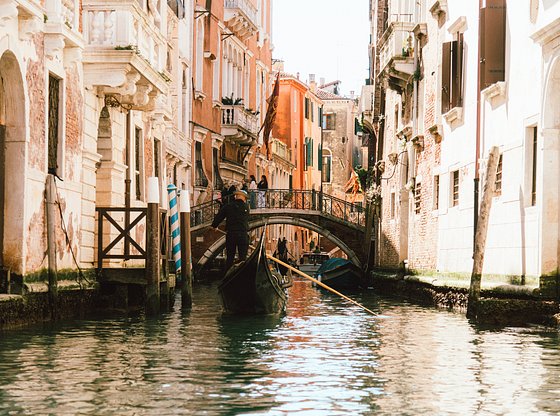
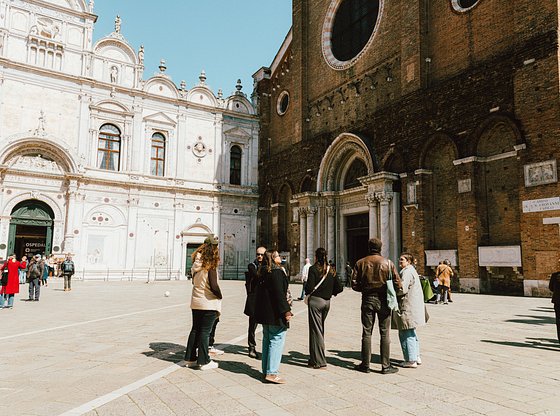
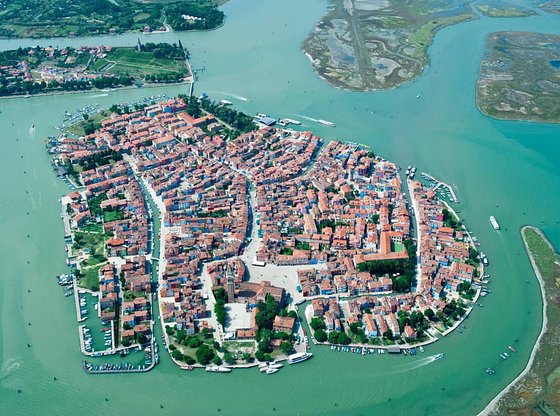
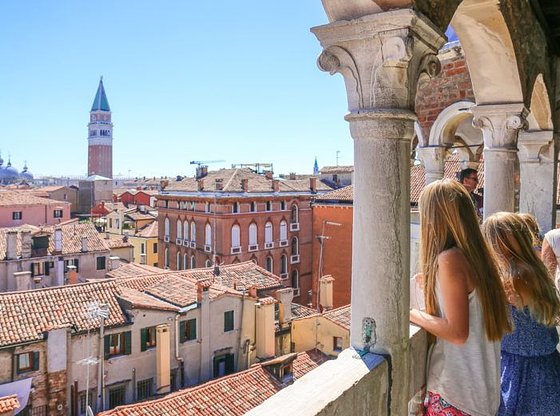
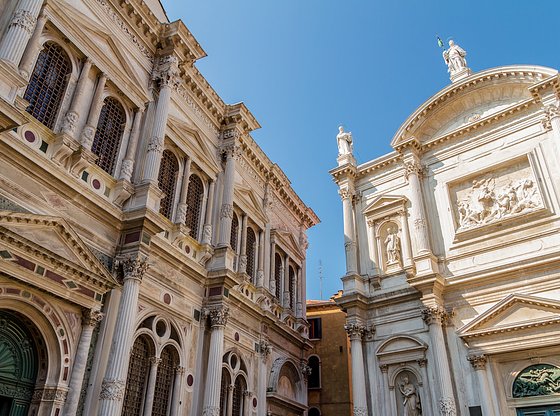
Venice is best understood as more than a beautiful collection of canals. Its churches, palaces, paintings, and lagoon reveal the history of a republic whose influence once stretched across the Mediterranean.
For food: Bologna
Bologna is an excellent counterpoint to Italy's more museum-focused destinations. Its medieval center, university history, markets, porticoes, and culinary traditions make it particularly rewarding for travelers who want to understand Italy through everyday culture as well as monuments.
For scenery and villa culture: Lake Como
Lake Como brings together dramatic Alpine geography, historic villas, gardens, villages, and a long tradition of aristocratic retreat. Context currently offers experiences based in Como as well as full-day lake excursions by private boat.
For somewhere beyond the usual itinerary: Genoa or Verona
Choose Genoa for maritime history, grand palaces, and the complex identity of a port city that once commanded enormous commercial power.
Choose Verona for Roman remains, medieval streets, elegant piazzas, and a city whose real history extends far beyond its association with Romeo and Juliet.
Northern Italy is well suited to combining several destinations, but trying to cover the entire region in one trip can quickly become a race between train stations.
With one week, concentrate on two or three places. Milan and Lake Como work naturally together, while Venice and Verona make another strong pairing. Bologna can easily anchor an itinerary centered on food and historic cities.
With 10 to 14 days, you can create a broader route connecting destinations such as Milan, Lake Como, Verona, Venice, and Bologna, or head west toward Genoa and the Ligurian coast.
Think about contrast as much as geography. Pairing a major city with a landscape or smaller destination—Milan with Lake Como, for example—often creates a richer trip than moving rapidly between several large cities.
There isn't one simple dividing line between northern and southern Italian culture. Italy's regional identities developed over centuries, long before the country unified in the nineteenth century.
Northern Italy contains regions including Lombardy, Veneto, Emilia-Romagna, Liguria, Piedmont, Trentino-Alto Adige, Friuli-Venezia Giulia, and Valle d'Aosta. Each has its own history, dialects, landscapes, architecture, and food traditions.
Geography plays an important role. The Alps define much of the northern edge, while the Po Valley has historically supported agriculture, trade, and major cities. Venice and Genoa developed outward-looking maritime cultures. Milan became a center of commerce and industry. Bologna's location and agricultural surroundings helped shape one of Italy's great food traditions.
Traveling across the north is therefore less about discovering a single "Northern Italian" identity than noticing how dramatically that identity changes from one place to the next.
Northern Italy rewards specialists because so much of what distinguishes its destinations lies beneath the obvious landmarks.
Context tours are led by historians, art historians, architects, food specialists, and other Experts who approach each place through their subject knowledge. In Milan, that might mean understanding Leonardo within the world of Renaissance patronage. In Venice, architecture and paintings reveal how a maritime republic constructed its identity. Around Lake Como, geography and villa culture tell another story entirely.
Our current Northern Italy collection spans 6 cities, with options for first-time visitors, families, food lovers, art enthusiasts, and travelers looking beyond the major sights.
The aim isn't to make every destination fit one version of Italy. It's to help you understand why each feels so different from the last.
What are the best places to visit in Northern Italy?
For a first trip, Venice, Milan, Lake Como, Verona, and Bologna make excellent starting points. Venice offers art and maritime history; Milan combines Renaissance masterpieces with contemporary design; Lake Como provides Alpine scenery and historic villas; Verona offers Roman and medieval history; and Bologna is particularly rewarding for food and medieval urban culture.
Beyond these, Turin, the Dolomites, Genoa, Cinque Terre, Lake Garda, Parma, Ravenna, and the Piedmont wine country are all worth considering depending on your interests.
What are the best tours in Northern Italy?
The best Northern Italy tours depend on where you're traveling and what interests you. In Milan, a guided visit centered on Leonardo da Vinci and The Last Supper provides insight into the city's Renaissance history. Venice rewards tours exploring its political, artistic, and maritime past, while Bologna is particularly strong for food-focused experiences.
For a change of pace, a Lake Como excursion combines landscape, villa culture, and time on the water. Context's Lake Como experiences explore both the historic town of Como and the wider lake by private boat.
How many days do you need in Northern Italy?
Allow at least one week for a focused Northern Italy itinerary. Seven days works well for two or three destinations, while 10 to 14 days gives you greater freedom to combine major cities with lakes, countryside, or the coast.
If this is your first visit, resist the temptation to visit a different city every day. Northern Italy's regional differences become more apparent when you have time to experience each place beyond its principal landmark.
What is Northern Italy famous for?
Northern Italy is known for the Alps and Italian lakes, Venice's canals and artistic heritage, Milanese fashion and design, Renaissance art, medieval cities, regional food and wine, and the Ligurian coast.
It's also one of Italy's major economic and agricultural regions. Foods and traditions vary considerably: risotto and polenta are closely associated with parts of the north, Emilia-Romagna is famous for products including Parmigiano Reggiano and traditional balsamic vinegar, while Ligurian cooking is known for ingredients such as basil, olive oil, and seafood.
Is Bologna in Northern Italy?
Yes. Bologna is in Emilia-Romagna, which is part of Northern Italy. Its location makes it particularly useful when building an itinerary: Bologna has strong rail connections with Milan, Venice, Florence, and other Italian cities.
Is Cinque Terre in Northern Italy?
Yes. Cinque Terre is in Liguria in northwestern Italy, along the Ligurian Sea. The five villages—Monterosso al Mare, Vernazza, Corniglia, Manarola, and Riomaggiore—can be incorporated into a broader Northern Italy itinerary, particularly one that also includes Genoa or other parts of Liguria.
Is Lake Como in Northern Italy?
Yes. Lake Como is in Lombardy in Northern Italy, close to the Swiss border and roughly an hour from Milan. Its location makes Milan and Lake Como especially easy to combine within one itinerary. Context offers both tours based in Como and full-day excursions from Milan.
What is the best time to visit Northern Italy?
Spring and early autumn are excellent for itineraries combining cities and outdoor experiences, with generally comfortable temperatures. Summer works particularly well for lakes and mountain destinations but is also peak season in places such as Venice and Lake Como.
Winter can be rewarding for city trips to Milan, Bologna, or Venice, as well as Alpine travel, though some seasonal experiences around the lakes and coast may be more limited.
Is Northern Italy easy to travel by train?
Yes. High-speed and regional rail make cities including Milan, Bologna, Verona, Venice, Turin, and Genoa relatively straightforward to combine. Lake Como can also be reached easily from Milan, although exploring smaller lake towns, countryside areas, or some coastal destinations may require regional trains, ferries, cars, or private transportation.