Incredible experience!
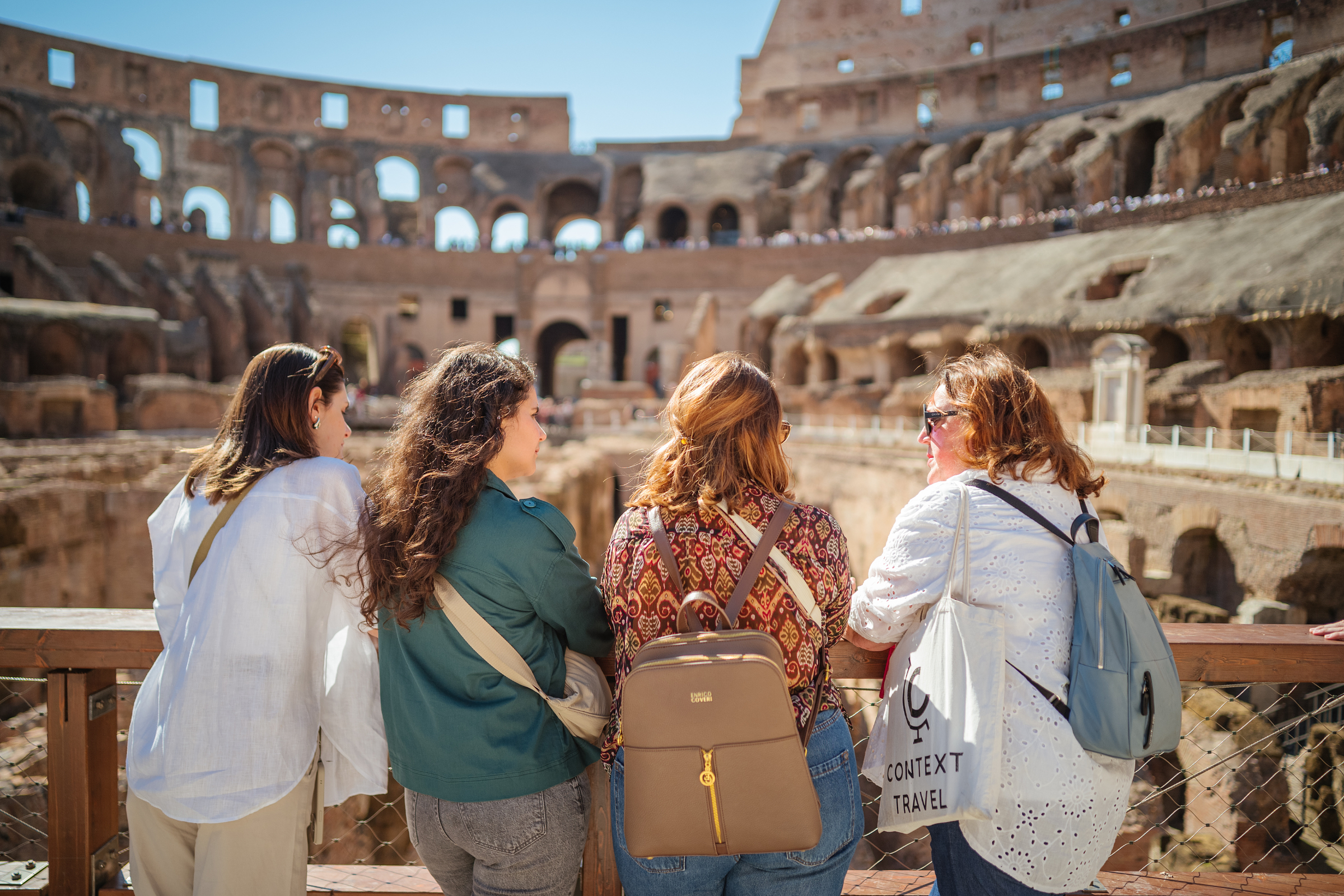
Express Colosseum Tour: Arena Floor & Roman Forum
Understand ancient Rome in an efficient, focused visit
Step onto the arena floor and hear the stories that matter most as an Expert guide brings Rome’s iconic venues into context.
Tour Highlights
- Focused, never rushed With two and a half hours, focus on the stories that bring history to life.
- Arena-level access Stand where gladiators entered, grasping spectacle, power, and control
- Explanation without overload Understand Rome’s political heart and elite hilltop origins without dense lectures.
- Big history, comfortable pace Cover centuries of Roman life efficiently; clear structure keeps insights memorable.
- Gladiators: a lens, not a ruse See how combat, crowd psychology, and empire connect, grounded in historical evidence.
- For travelers short on time Maximizes understanding without fatigue, ideal for first encounters with ancient Rome.
Led by Experts, Shaped by You
Explore with an expert guide who responds to your questions, your interests, and your pace. Reveal layers of meaning most visitors miss—go from seeing to understanding.
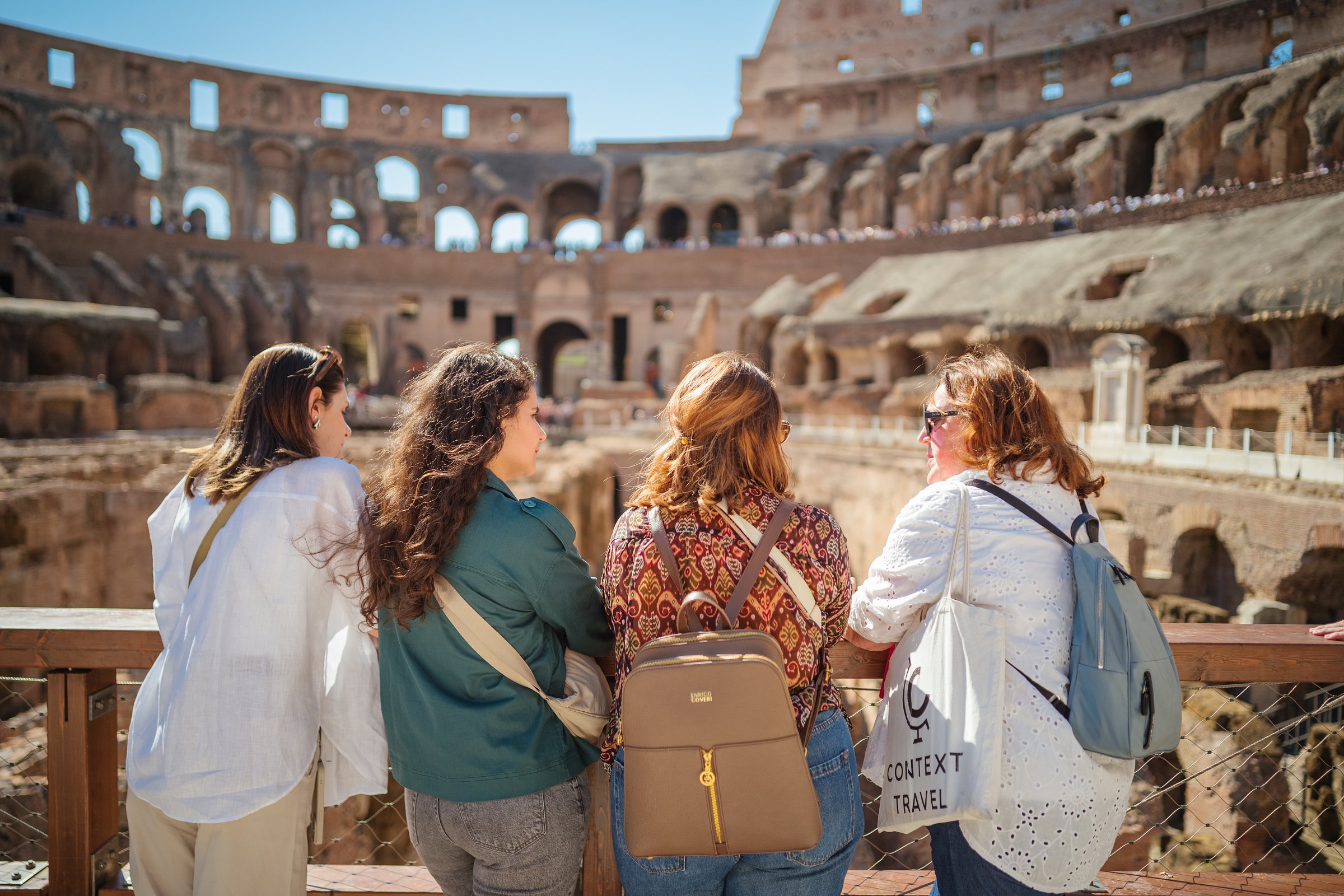
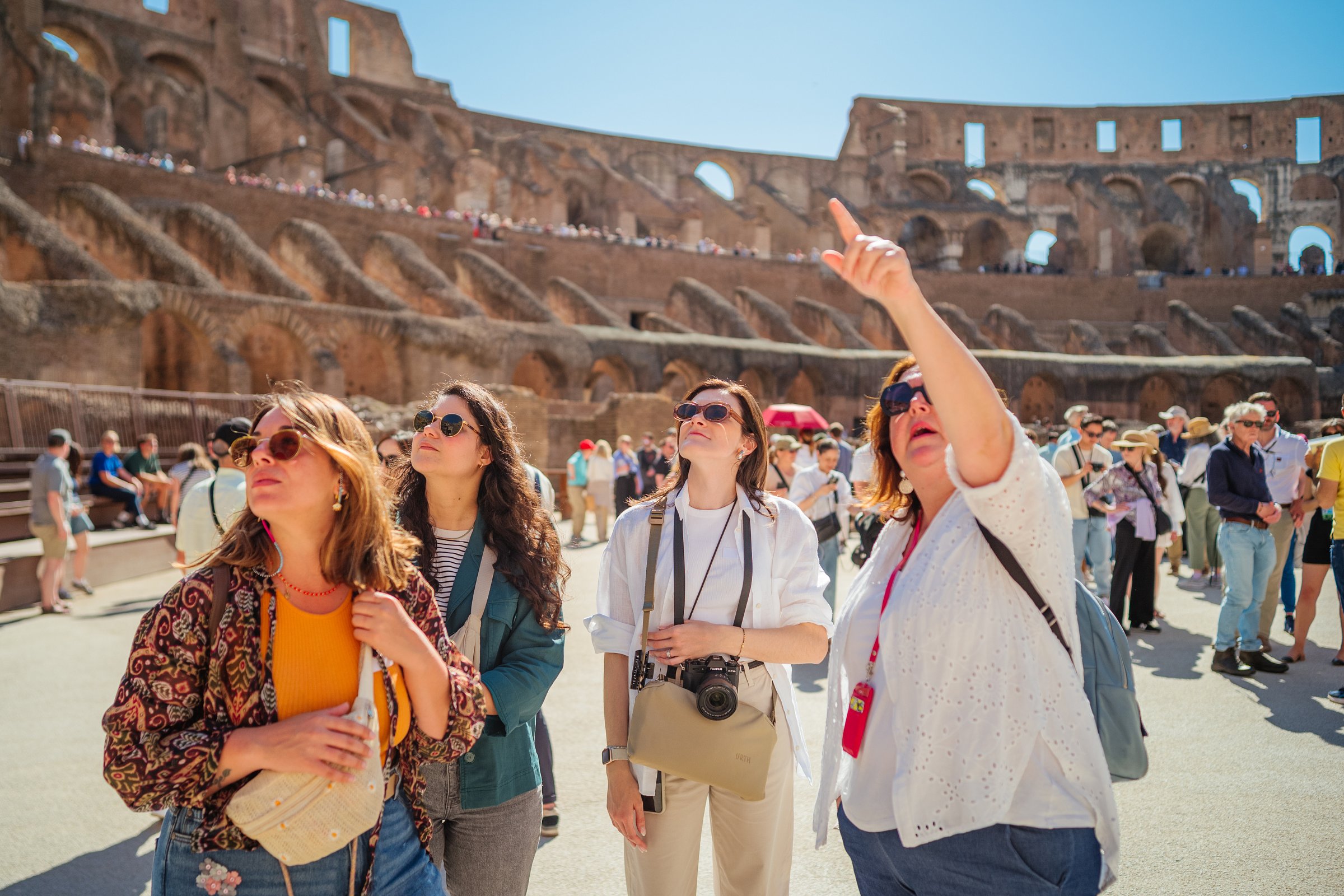
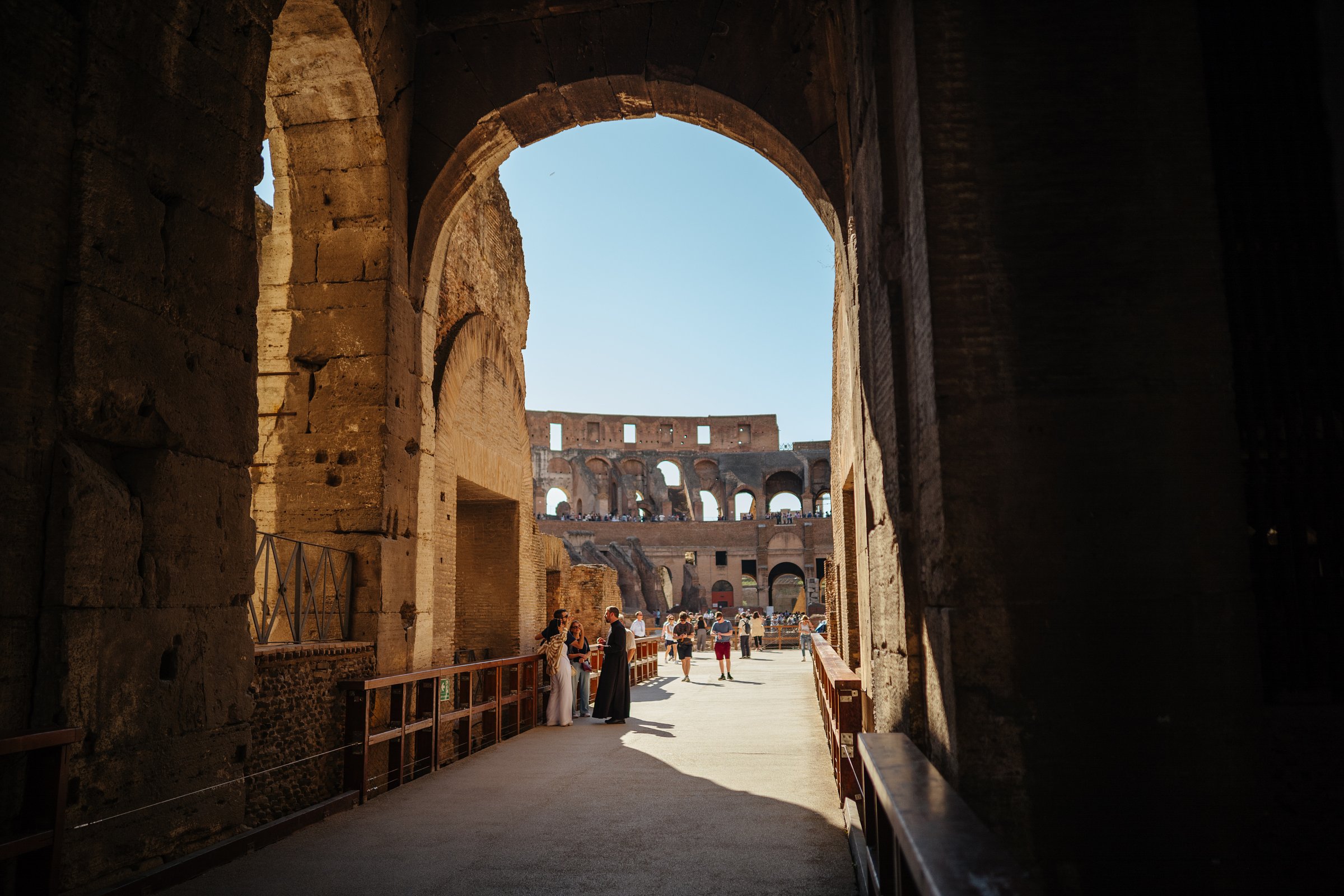
The Finer Details
Rome understood quickly can still be Rome understood deeply. This express experience focuses on the essential sites where power, spectacle, and daily life intersected. The aim is focus and clarity: what mattered to ancient Romans, and how does it still echo today?
Begin with an exclusive Colosseum Arena Floor tour with special access through the iconic Gladiator’s Gate. From this impressive vantage point, examine how architecture, violence, and crowd control worked together as tools of the empire. Gladiators were not just fighters but symbols shaped for public consumption. Their stories open a window into Roman values.
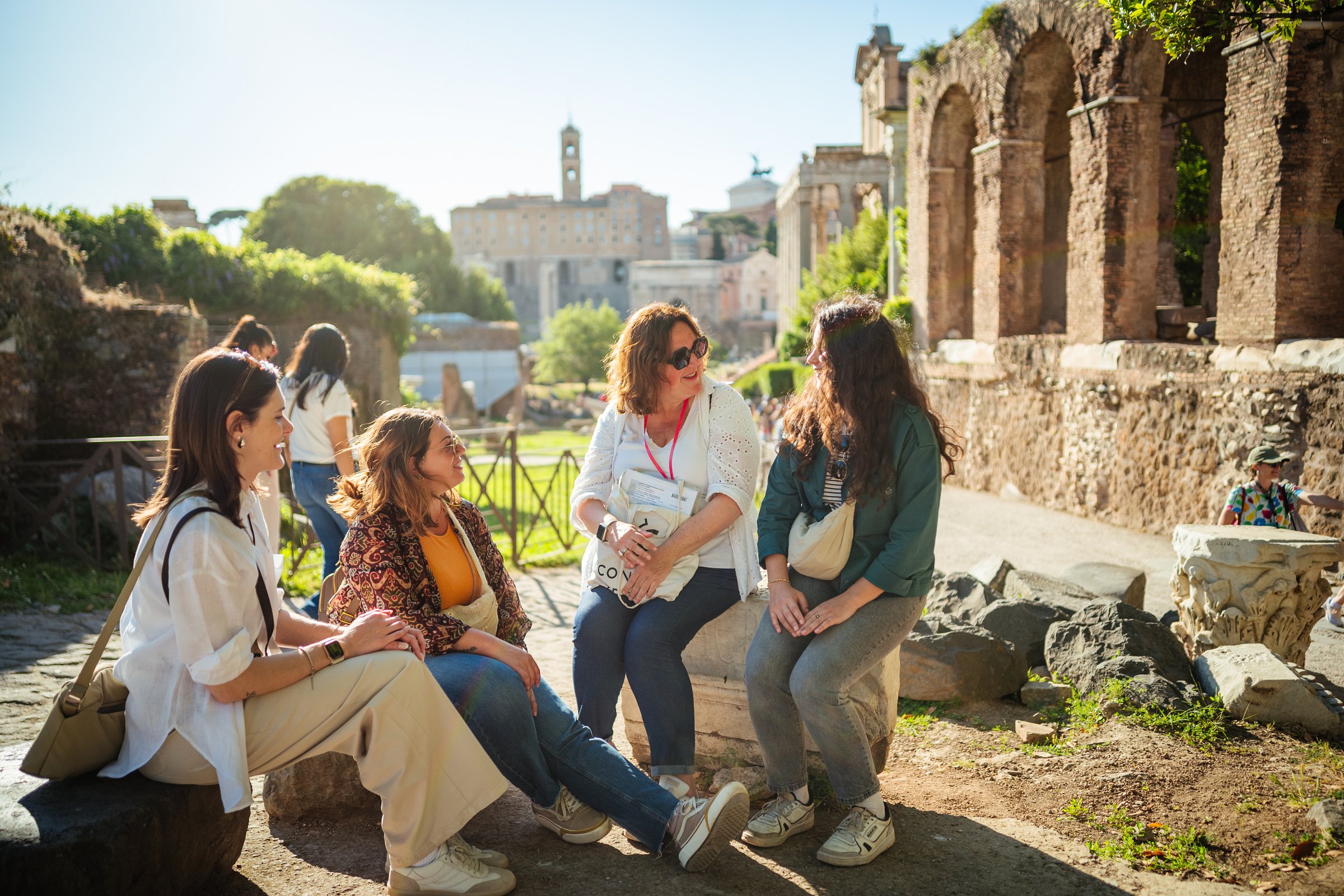
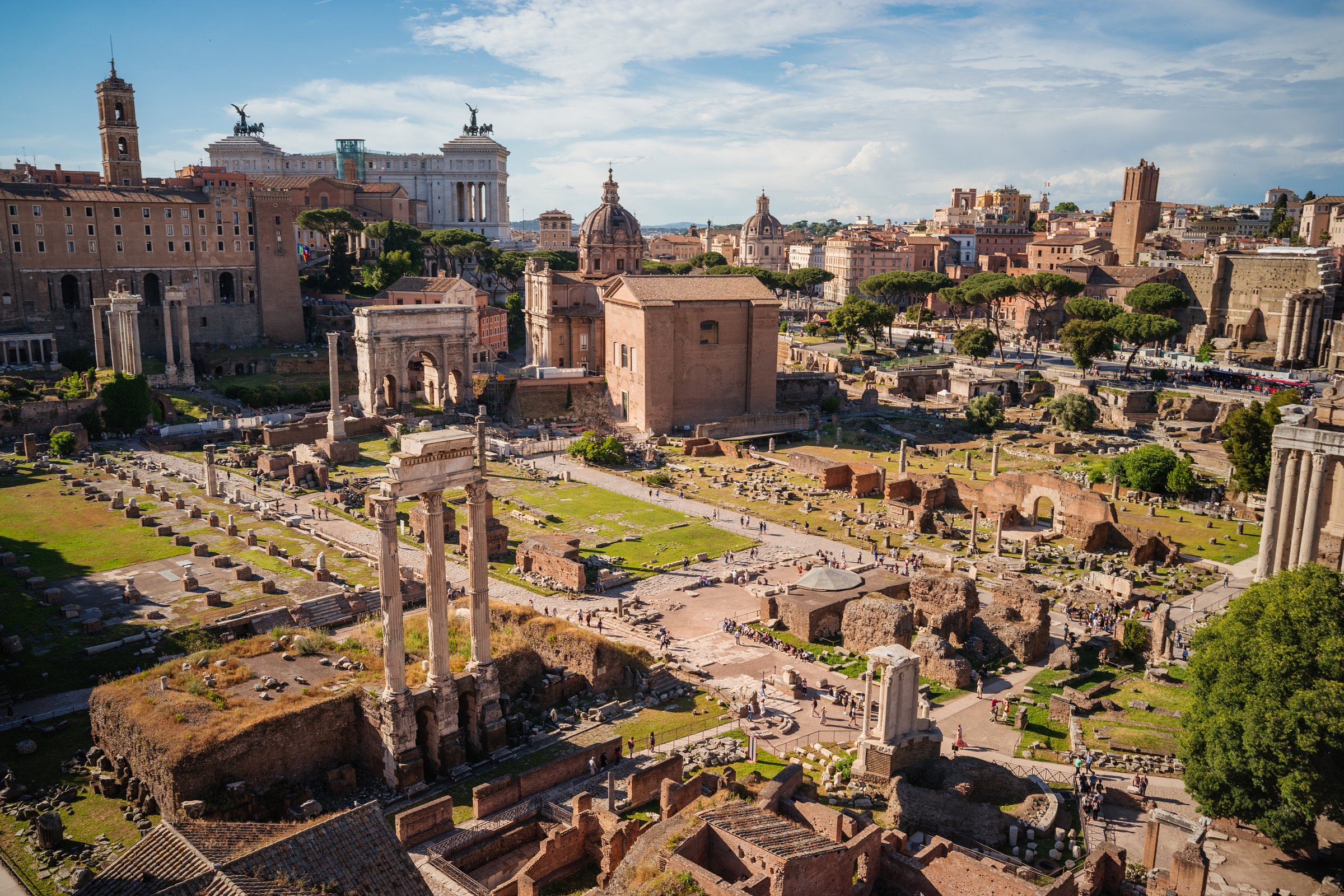
Move on to the Roman Forum where, rather than simply listing sites, your Expert explores how the Forum shaped Roman life. Here, laws were debated, alliances were formed, and reputations were built or destroyed. It’s no longer an overwhelming ruin to explore, but understood as a public space, once dense with speeches, rituals, and political maneuvering.
The Palatine Hill allows you to shift perspective from public life to the very visible trappings of private power. This elevated landscape reveals how emperors physically and symbolically positioned themselves above the rest of the city. Residences, gardens, and views were statements. How does geography reinforce authority?
Throughout the tour, your Expert keeps the pace intentional. Details are selected carefully, not piled on. The goal is confidence, not exhaustion, leaving space for questions and discussion, observation and connection.
By the end, the Colosseum, Forum, and Palatine Hill no longer feel like separate stops. They form a single story of how Rome architected power, controlled narrative, and defined itself for centuries to come. You leave aware, informed, and ready to explore further with context in mind.
We are proud to be an Accredited Tour Operator of the Parco Archeologico del Colosseo. Giving you official, seamless and guaranteed entry to Rome's greatest icon.
Meet the Experts































































Where You’ll Go
From iconic landmarks to tucked-away local favorites, these are the places you’ll explore and experience firsthand with your Expert.
-
Colosseum's Arena FloorRecreated arena floor of the Colosseum, echoing with the drama of ancient Rome.
-
ColosseumAncient amphitheater in Rome, site of gladiatorial games, spectacles, and civic gatherings.
-
Palatine HillRome’s ancient hill with imperial palaces, ruins, and views over the Roman Forum.
-
Roman ForumRuins of ancient Rome’s civic, religious, and commercial center with temples and arches.
What’s Included As Standard
Here’s a look at what your tour covers, plus anything you’ll want to consider arranging separately, so you can plan with confidence.
Included
-
English-speaking expert guideTours led in English, offering you unbroken understanding throughout.
-
Intentionally sized groupsA smaller group means more time for conversations and questions.
-
Tickets and entrance feesAll entry tickets included (unless clearly stated otherwise).
-
HeadsetsHeadsets are included on tours that need them, so every word can be heard.
Not Included
-
Food and drinkUnless booking a Food & Drink tour or tasting experience, refreshments are not included.
-
Transportation to and from the meeting pointUnless noted, pre- and post-tour transport isn’t included - this service can be added by request.
-
GratuitiesTips aren’t included, but we encourage tipping as a way to thank your guide after your experience.
-
Hotel pickup or drop-offUnless noted, travel to or from accommodation isn’t included - this service can be added by request.
Where You'll Explore
Make the Most of Your Tour
Some helpful advice for getting the most from your experience, from practical prep to small on-the-day tips.
Dos:
- Wear comfortable footwear
- Check the weather and dress appropriately
- Bring a bottle of water (no glass)
- Feel free to ask your Expert anything
Don'ts:
- Bring firearms or weapons
- Bring sharp objects (e.g. knives, swiss army knives, switchblades, hiking sticks)
- Dress inappropriately to enter religious sites or sacred monuments
Any questions? You can always
contact us.
Frequently Asked Questions
Book with confidence — see Context's flexible cancellation policy here.
Yes, original identification is required to be presented upon entry to the Colosseum for all visitors including children. These should be original documents, copies will not be accepted.
Please note that we require the full name (as it appears on the ID) and the age of each participant in order to purchase tickets. The venue conducts name and ID checks at the entrance, so it’s essential that the name on the ticket matches the identification document. This is especially important for families with participants who are 17 or 18 years old, as free tickets are only valid for those who are 17 or younger on the day of the tour. Once a participant turns 18, a full-price ticket is required. To avoid any issues at the entrance, please double-check the ages provided before booking.
Please note that we require the full name (as it appears on the ID) and the age of each participant in order to purchase tickets. The venue conducts name and ID checks at the entrance, so it’s essential that the name on the ticket matches the identification document. This is especially important for families with participants who are 17 or 18 years old, as free tickets are only valid for those who are 17 or younger on the day of the tour. Once a participant turns 18, a full-price ticket is required. To avoid any issues at the entrance, please double-check the ages provided before booking.
No, this tour is specifically designed to spend 20 minutes inside the Colosseum and around 1.5 hours in the Roman Forum and Palatine Hill. The tickets we use are specific Arena tickets that are valid exclusively for 20 minutes and allow only access to the Arena floor from a reserved entrance. The tour will then continue to the Roman Forum and Palatine Hill, where you will enjoy elevated views over the Colosseum which is a great occasion to ask all your questions regarding the Colosseum and where the guide will take some time to go over an explanation of the whole building.
No, this tour includes exclusively the Arena Floor which is a modern reconstruction in place where the original floor used to be. This tour will not take you below ground and you are not going in the Underground section, but you will gain an exclusive point of view very close to the underground area and your guide will be able to explain that from above.
This tour is not specifically designed for families with children. We spend less time inside the Colosseum even tho we go on the Arena Floor. And we spend more time in the Roman Forum and Palatine Hill, which is usually the least appealing for young learners.
Yes! We are proud to be an accredited tour operator with the Colosseum. All our tours are professionally conducted and fully comply with all official regulations and guidelines set by the Parco Archeologico del Colosseo.
We understand that some of our valued guests may have mobility concerns, and we want to ensure you have a comfortable and enjoyable experience throughout your tour. If there are any accessibility concerns that your tour guide will need to be aware of, please let our team know at the time of booking.
Wheelchair accessibility
- The Arena Floor and the Roman Forum are completely accessible, but guests with wheelchair accessibility needs will find difficulty in the Palatine Hill due to the uneven and hilly grounds.
- The Palatine Hill can be skipped and the itinerary can be adjusted to make it more accessible, however, this tour covers around 2.5 miles and includes cobblestones, uneven and natural terrain, stairs, and hilly areas that are tricky to maneuver.
Service Dogs
- Service dogs are allowed if you have a medical certificate proving the need.
Don’t just take our word for it
Liz was a wonderful and dynamic guide who easily communicated her passion and deep knowledge. She engaged my teenagers with ease as well as my younger child and they all loved the tour and the way she brought history alive for all of us.
Paolo was GREAT! He was engaging and kept the attention of our two boys, 13 and 11, throughout the entire tour. His experience as a professor enhanced our visit, so be sure to request Paolo. It is clear he has an enthusiasm for history and we're lucky we were paired with him. Gratzie!
Book a Tour
Let Your Curiosity Shape Your Journey
Join passionate experts on intimate walking tours that reveal a city’s unique stories, spark conversations, and leave you seeing the world—and yourself—a little differently.
Structured, never scripted
Your interests guide your Expert, leading to stories and perspectives that matter to you.
Crafted for conversation
With 12 or fewer guests, ask questions, engage with your Expert, and fully immerse yourself.
Experts, not guides
Explore with 1,200+ Experts—from historians and architects to archaeologists and chefs.
Related experiences our customers also loved

Step onto the Colosseum Arena Floor
The Colosseum looks different from the arena itself. Entering through the reserved Gladiator’s Gate places you close to the reconstructed floor where combatants once emerged before tens of thousands of spectators.
This Colosseum arena floor tour uses that unusual vantage point to explain how the amphitheater functioned as a carefully controlled environment. Its entrances, seating, underground infrastructure, and sightlines helped Roman authorities move people efficiently, stage elaborate spectacles, and turn public entertainment into an expression of imperial power.
The arena visit is deliberately focused. You spend approximately 20 minutes inside the Colosseum before continuing into the Roman Forum and Palatine Hill, where the political and imperial world behind the spectacles comes into view.
See the Colosseum from a Gladiator’s Perspective
Most visitors experience the Colosseum from the surrounding tiers. Arena-floor access changes the scale of it.
From this level, you can look upward toward the seating and imagine what it meant to enter an amphitheater designed to hold an enormous crowd. Your Expert explains how different social classes were positioned, how performers and animals entered the arena, and how architecture shaped the experience of both participants and spectators.
The floor visible today is a modern reconstruction positioned above the original underground complex. The tour does not enter the hypogeum, but the arena provides a close view into parts of the exposed underground structure and a useful position from which to understand how it operated.
Understand Spectacle as a Tool of Power
Gladiatorial combat was not simply entertainment. Public games allowed emperors and political leaders to display wealth, generosity, military success, and control.
The Colosseum gathered a socially divided population into one highly organized space. Seating reflected rank, ceremonies reinforced political authority, and the spectacles presented ideas about courage, punishment, conquest, and Roman identity.
Rather than treating gladiators as isolated characters, this tour places them within the system that created and marketed them. Their lives help reveal what Roman audiences valued, how violence was made public, and why spectacle became so politically useful.
Continue into the Political Center of Ancient Rome
The Colosseum was closely connected to the civic and political life unfolding nearby.
In the Roman Forum, temples, basilicas, arches, and public spaces formed the center of government, religion, law, and commerce. Your Expert selects the structures that best explain how power operated rather than presenting every ruin as a separate fact to memorize.
The route may address where speeches were delivered, where political reputations were made, and how ceremonies turned public space into a stage for Roman authority. This focused approach helps the Forum feel like a functioning city center rather than a field of disconnected remains.
Move from Public Life to Imperial Power
Palatine Hill adds a different perspective on ancient Rome.
According to Roman tradition, the city began on this hill. It later became the favored residential district of emperors, whose palaces overlooked both the Forum and the Circus Maximus. The location allowed rulers to place themselves physically above the civic center while remaining highly visible within it.
From the Palatine, residences, gardens, ruins, and views illustrate how architecture and geography supported imperial authority. The contrast with the Forum below helps distinguish Rome’s public institutions from the increasingly concentrated power of its emperors.
Connect the Colosseum, Forum, and Palatine Hill
These three archaeological areas are often visited as separate attractions, but they belonged to the same political landscape.
The Colosseum shows how emperors addressed the population through public spectacle. The Roman Forum reveals the institutions, rituals, and negotiations that shaped civic life. Palatine Hill demonstrates how rulers built personal authority into the city’s skyline.
Exploring them together creates a more complete picture of ancient Rome. Entertainment, politics, religion, and imperial life were not separate subjects; each reinforced the others.
Make the Most of a Focused Ancient Rome Tour
This 2.5-hour experience is designed for travelers who want to understand ancient Rome without committing to a longer archaeological tour. The route concentrates on the most useful ideas and vantage points rather than attempting to cover every monument in equal depth.
The shorter format does not mean moving quickly without explanation. Your Expert gives the experience a clear structure, choosing details that illuminate the larger story and leaving room for questions along the way.
It is particularly well suited to travelers with limited time, those concerned about historical overload, or visitors who want arena-floor access combined with an introduction to the Forum and Palatine Hill.
Learn with an Archaeologist or Historical Expert
The Colosseum and Roman Forum are visually impressive but difficult to interpret without specialist knowledge. Many original surfaces have disappeared, later buildings altered the landscape, and the remaining ruins represent several centuries of construction and political change.
Context works with Rome Experts whose backgrounds include archaeology, history, art history, architecture, and related fields. Some of whom have even helped in the excavation of the Forum! They use the surviving evidence to reconstruct how spaces functioned while distinguishing established scholarship from popular stories about gladiators and emperors.
Because the tour is structured around conversation, the Expert can adjust the discussion to your interests while maintaining a historically grounded account of the sites. The page also identifies Context as an accredited Colosseum tour operator working under the regulations of the Parco Archeologico del Colosseo.
Frequently Asked Questions
What is included in this Colosseum arena floor tour?
The tour includes access to the reconstructed Colosseum arena floor, followed by a guided visit to the Roman Forum and Palatine Hill. Entry tickets, entrance fees, an English-speaking Expert, and headsets when required are included.
How much time does the tour spend inside the Colosseum?
The arena ticket used for this experience allows approximately 20 minutes inside the Colosseum. The tour then spends roughly 1.5 hours exploring the Roman Forum and Palatine Hill, with additional time used for entry, movement, and interpretation across the sites.
Does this tour include the Colosseum Underground?
No. The tour enters the reconstructed arena floor but does not go into the Colosseum Underground or hypogeum. From the arena, you can see portions of the underground structure from above while your Expert explains how it supported the spectacles.
Is the arena floor original?
No. The floor used today is a modern reconstruction built above part of the exposed underground complex. It marks the approximate level of the original arena and provides a perspective similar to the one experienced by ancient performers entering the amphitheater.
How is an arena floor tour different from a standard Colosseum tour?
A standard tour, like our Signature Colosseum Tour, generally views the arena from the surrounding visitor levels. Arena-floor access brings you onto the level where the spectacles took place, creating a clearer sense of the building’s scale, sightlines, and relationship to the underground spaces below.
This particular tour also spends less time inside the amphitheater than a comprehensive Colosseum tour and devotes substantial attention to the Roman Forum and Palatine Hill.
Does the tour enter through the Gladiator’s Gate?
Yes. The arena-floor portion uses a special entrance commonly called the Gladiator’s Gate, which leads directly onto the reconstructed arena level.
Is this a skip-the-line Colosseum tour?
The tour includes timed, pre-purchased admission and a dedicated arena entrance. All visitors must still complete required security and identification checks, so no tour can eliminate every possible wait.
Do I need to bring identification?
Yes. Every participant, including children, must bring an original identification document. The name on the ticket must match the identification presented at the entrance; copies are not accepted. Full names and ages are required when booking so the correct tickets can be issued.
Is this tour suitable for children?
It can work for families, especially children interested in gladiators and ancient Rome, but it is not specifically designed as a children’s tour. Only a short portion takes place inside the Colosseum, while more time is devoted to the Roman Forum and Palatine Hill. Families seeking a strongly child-centered experience may prefer a dedicated ancient Rome tour for kids.
How physically demanding is the tour?
The experience covers approximately 2.5 miles and includes cobblestones, stairs, slopes, and uneven archaeological terrain. Comfortable walking shoes are strongly recommended.
Is the tour wheelchair accessible?
The arena floor and much of the Roman Forum can be accessed by wheelchair, but Palatine Hill presents significant difficulty because of its uneven, steep terrain. The Palatine portion may be skipped and the route adjusted when accessibility needs are shared before the tour.
Is this the best Colosseum tour for travelers short on time?
It is a strong choice for travelers who want arena-floor access and a meaningful introduction to the Forum and Palatine Hill within 2.5 hours. Visitors wanting a more comprehensive exploration of the Colosseum’s interior may prefer a longer tour, while those specifically seeking the Underground should choose a product that explicitly includes hypogeum access.
Is Context authorized to operate tours at the Colosseum?
Yes. Context Travel is an accredited and preferred tour operator at the Colosseum and our tours comply with the rules and guidelines established by the Parco Archeologico del Colosseo.