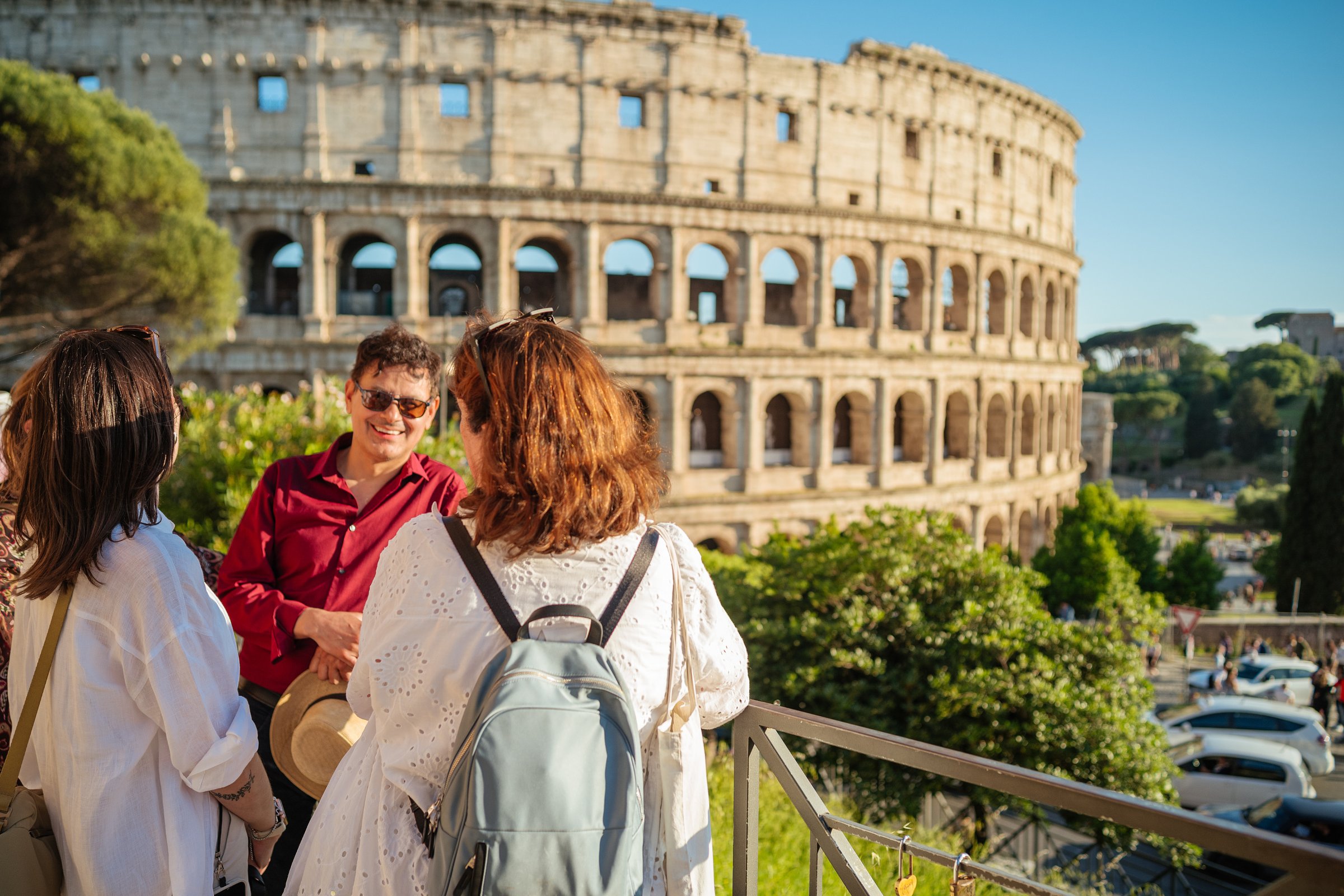
The Colosseum makes more sense when it is understood alongside the Roman Forum and Palatine Hill. This Rome Colosseum tour connects all three archaeological sites through one carefully structured account of imperial power, civic life, entertainment, religion, and the everyday workings of the ancient city.
Over approximately three and a half hours, explore with a historian, archaeologist, or another specialist in ancient
Rome. Rather than treating the monuments as isolated ruins, your Context Expert helps you understand how they functioned together: emperors lived above the city on the Palatine, political and religious life unfolded in the Forum, and the Colosseum transformed public spectacle into a visible expression of Roman authority.
What Makes This Colosseum Tour Different?
Three Sites, One Connected Story
Many visitors see the Colosseum without understanding the city that surrounded it. This itinerary includes the Colosseum, Roman Forum, and Palatine Hill, allowing architecture, politics, mythology, and public life to remain part of the same narrative.
Expert Interpretation
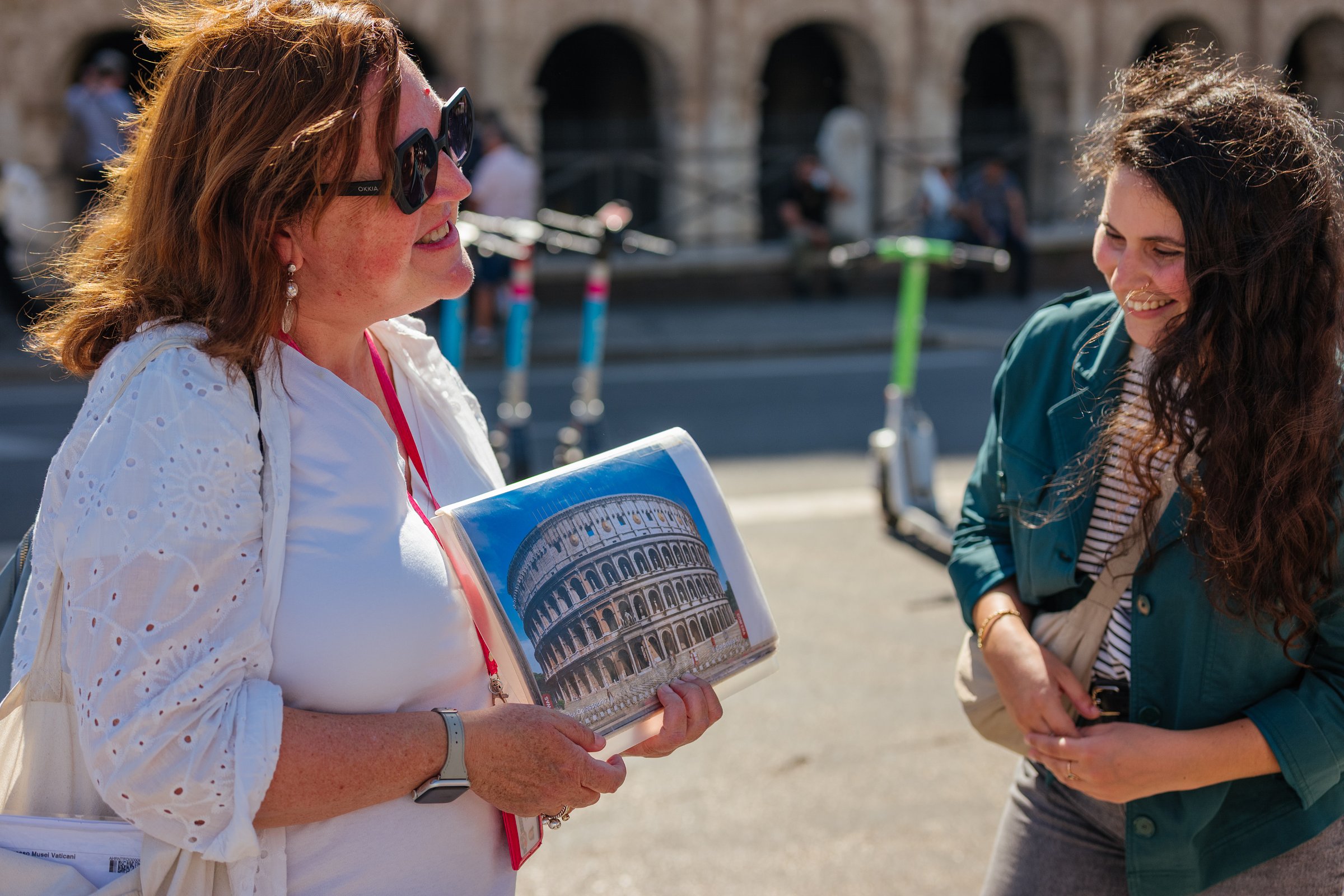
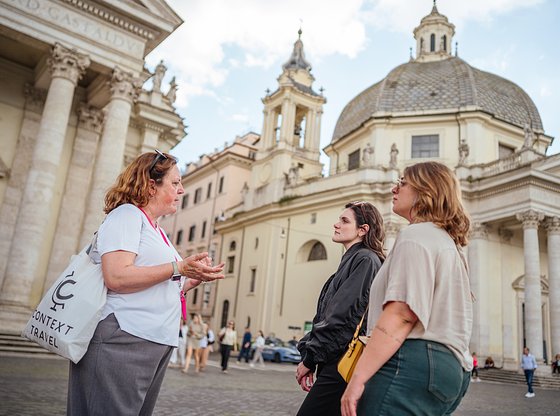
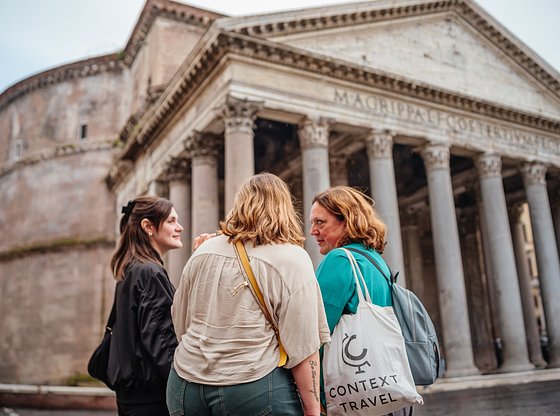
Your guide does more than identify monuments. They use surviving structures, archaeological evidence, and historical sources to explain how ancient Romans experienced these spaces and how modern scholarship continues to interpret them.
Questions shape the conversation. Depending on your interests, the discussion may turn toward gladiators, engineering, imperial propaganda, religion, urban planning, domestic life, or the fall and reuse of ancient buildings.
Private and Small Group Options
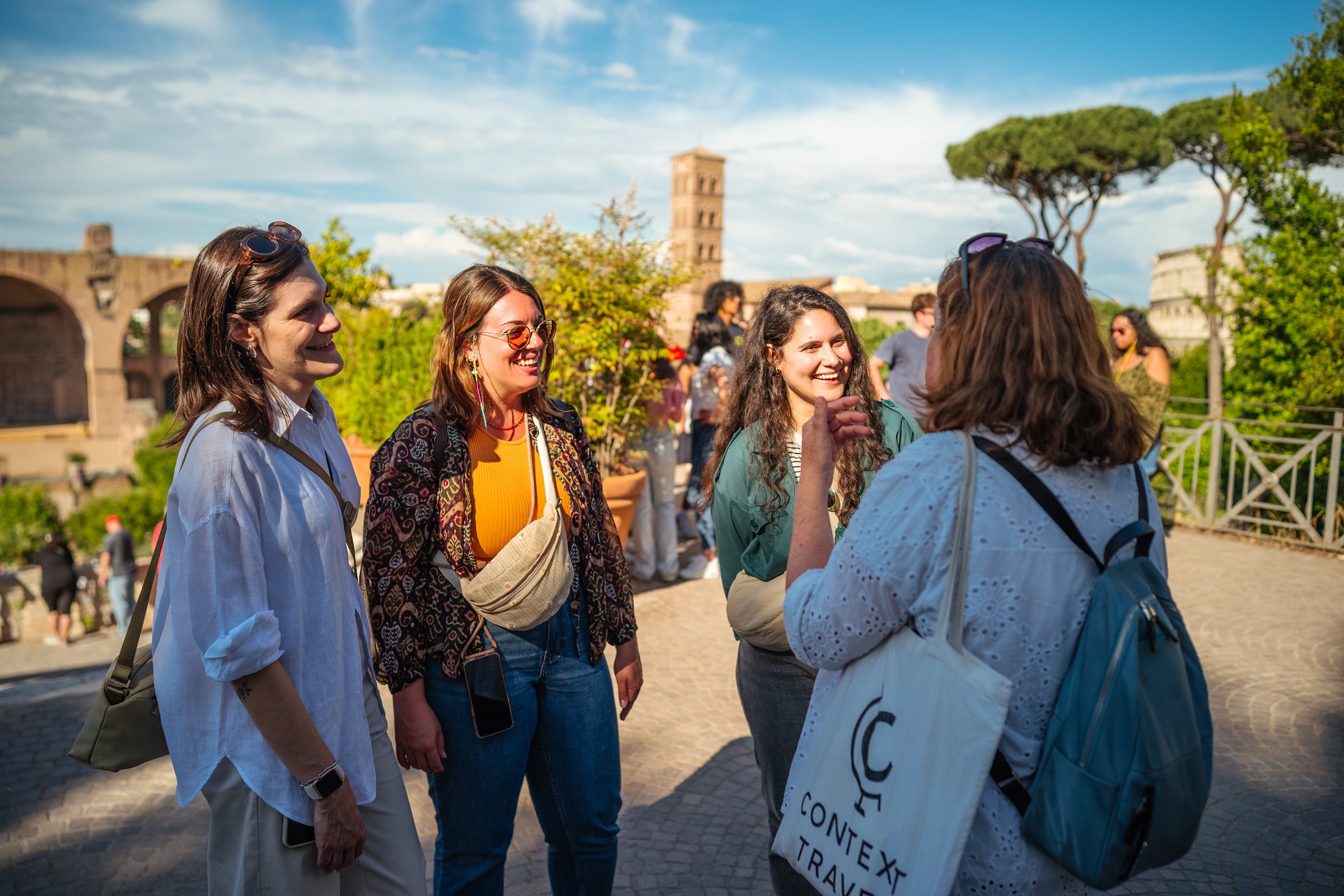
Choose a private tour tailored to your party or a small group experience with no more than six guests. Both formats provide space for close observation, conversation, and thoughtful follow-up questions.
What Will You See?
The Colosseum
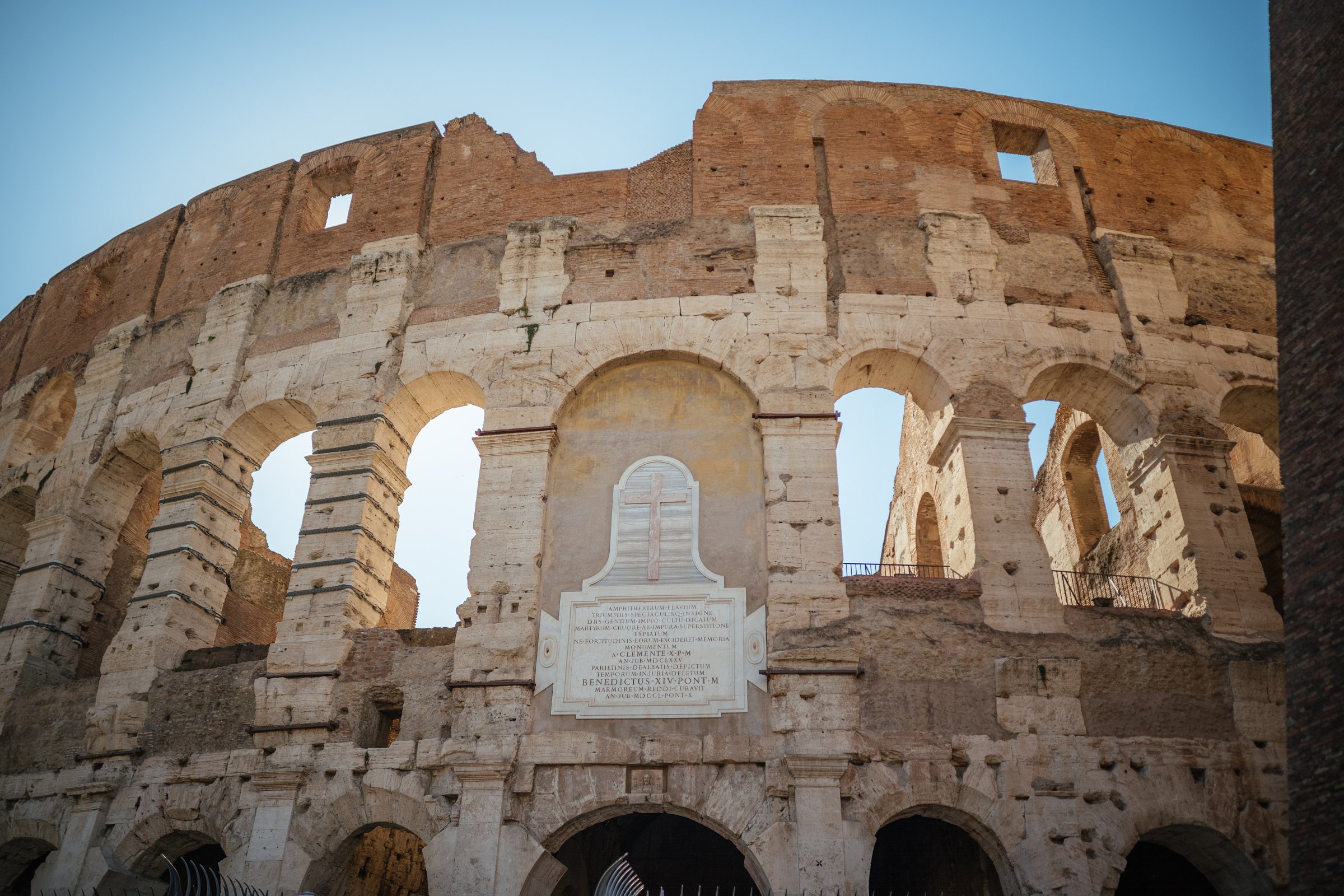
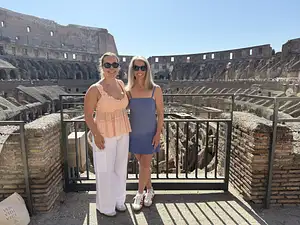
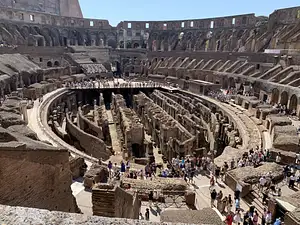
Built under the Flavian emperors during the first century CE, the Colosseum was the largest amphitheater in the Roman world. Its design moved tens of thousands of spectators through a carefully organized system of entrances, corridors, stairways, and seating sections.
Your Expert explains how gladiatorial contests, animal hunts, and public punishments became part of imperial communication. The arena was not simply a venue for entertainment; it reflected Roman ideas about hierarchy, citizenship, conquest, and the emperor’s relationship with the crowd.
This itinerary follows the standard visitor route and does not include the underground chambers or arena floor unless explicitly stated in your selected departure.
The Roman Forum
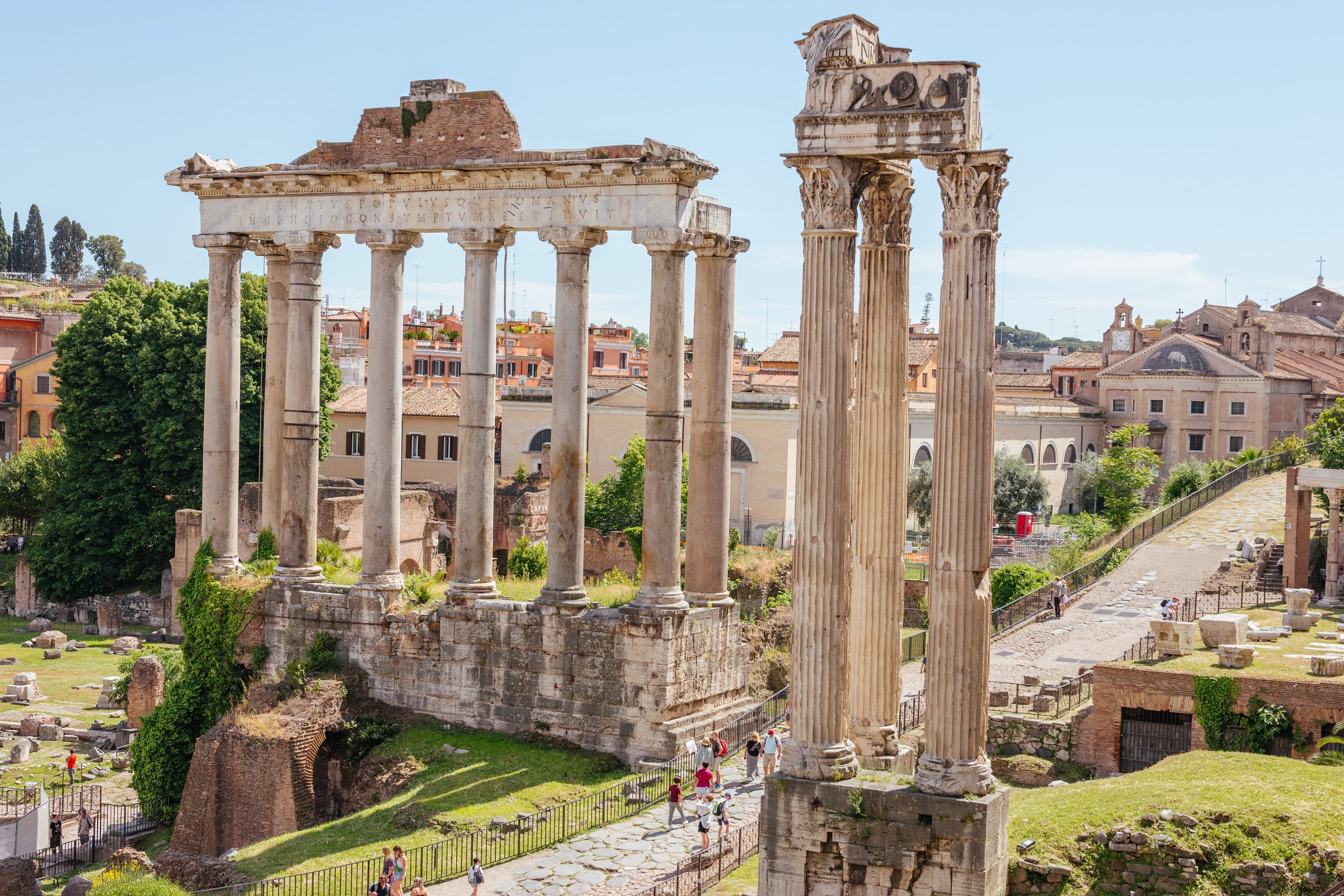
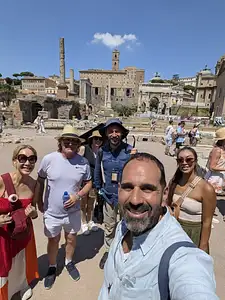
The Roman Forum was the civic and ceremonial center of ancient Rome. Temples, basilicas, monuments, and political spaces gathered around a relatively compact valley where Romans conducted business, practiced religion, pursued legal cases, celebrated military victories, and debated public affairs.
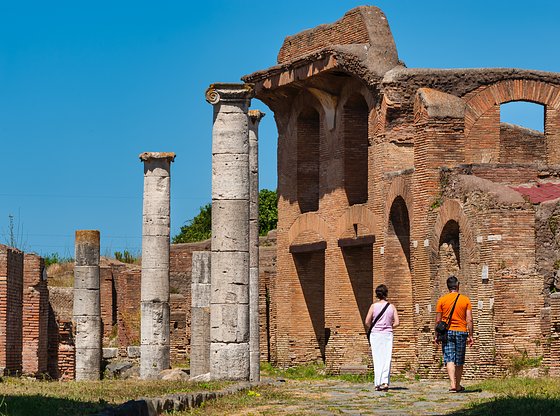
With expert interpretation, fragmented columns and foundations become evidence of how the city operated. The precise route may vary according to site conditions, but the discussion commonly includes imperial monuments, sacred spaces, and the changing uses of the Forum over time.
Palatine Hill
Rising above the Forum, Palatine Hill was associated with Rome’s foundation myths and later became the preferred residential district of emperors and elite families.
The remains of palaces, terraces, gardens, and reception spaces reveal how architecture separated rulers from the city while keeping them visibly positioned above its political center. From the hill, the relationship between residence, ceremony, and public power becomes especially clear.
Tickets, Entry, and Site Conditions
Pre-reserved timed-entry tickets to the Colosseum archaeological park are included. All visitors must complete mandatory security screening, and wait times can vary even with reserved admission.
The Colosseum, Roman Forum, and Palatine Hill are active archaeological sites. Routes, entrances, and areas of access may change with limited notice because of conservation work, security requirements, weather, or venue operations.
Headsets are provided when required so you can hear your Expert clearly throughout the sites.
Who Is This Tour For?
This experience is especially well suited to:
- First-time visitors seeking a substantial introduction to ancient Rome
- Travelers interested in archaeology, politics, architecture, or social history
- Visitors who want the Colosseum, Forum, and Palatine explained together
- Families with older children or teenagers who enjoy discussion and historical stories
- Returning travelers who want to understand familiar sites in greater depth
No previous knowledge of Roman history is required. Your Expert adjusts the discussion to your questions, interests, and level of familiarity.
Interested in discovering other Colosseum tours with Context Travel? Check out our blog on
How to Choose the Best Colosseum Tour for more information.
Physical Demands and Accessibility
The itinerary involves approximately three and a half hours of walking and standing across stairs, slopes, cobblestones, and uneven archaeological terrain. Comfortable shoes, water, and sun protection are strongly recommended.
Some parts of the Roman Forum and Palatine Hill have limited accessibility. Travelers with mobility concerns should contact us before booking so we can discuss the most suitable tour format and current site conditions.
Is a Guided Colosseum Tour Worth It?
The archaeological park can be visited independently, but its surviving remains are often difficult to interpret without historical and spatial context. Buildings have collapsed, been repurposed, excavated, and reconstructed over many centuries, while modern visitor routes do not always follow the logic of the ancient city.
A guided Colosseum tour helps you understand not only what survives, but how the sites relate to one another. Instead of leaving with disconnected facts about gladiators, emperors, and temples, you gain a working picture of how Rome governed, entertained, worshipped, and projected power.
Frequently Asked Questions
Does this tour include the Roman Forum and Palatine Hill?
Yes. The itinerary includes guided visits to the Colosseum, Roman Forum, and Palatine Hill, subject to current archaeological park access and operating conditions.
Does the tour include the Colosseum underground or arena floor?
No. This tour follows the standard Colosseum visitor route unless a specific departure explicitly states that arena-floor or underground access is included. If you're looking for access to the arena floor, check out our
Express Colosseum Tour.
Does the tour skip the line?
The tour includes pre-reserved timed-entry tickets, allowing you to use the appropriate reserved-admission process. All visitors must still pass through security, and queues may occur.
How long is the Rome Colosseum tour?
The experience lasts approximately three and a half hours, although security procedures and site operations may affect exact timing.
Is the tour private?
The experience is available in private and limited small group formats. Private tours include only your party and your Expert, while small groups are capped at six guests.
Who leads the tour?
Tours are led by Context Experts with backgrounds such as archaeology, ancient history, classics, architecture, or related disciplines. Guide assignments vary by departure and availability.
Can children take this tour?
Yes, although the duration, heat, and uneven terrain are generally best suited to older children and teenagers. Families seeking a more interactive approach may prefer our dedicated
Colosseum Tour for Kids.
What should I wear?
Wear supportive walking shoes and clothing appropriate for the season. Much of the archaeological park is outdoors with limited shade, particularly during summer.